Long before Palm Springs became known for midcentury architecture, Hollywood glamour, wellness resorts, and desert escapes, this place was—and remains—the ancestral homeland of the Agua Caliente Band of Cahuilla Indians.
For thousands of years, the Agua Caliente people have lived in relationship with the desert landscape, drawing life from its water, palm oases, plants, and mountains. Today, visitors can experience that history and living culture throughout Palm Springs, from the Agua Caliente Cultural Museum and Cultural Plaza in downtown to the trails of Indian Canyons and Tahquitz Canyon.
A visit to Native Palm Springs offers a different perspective on the destination: one rooted not simply in the past, but in a living culture that continues to shape Palm Springs today.
Start at the Agua Caliente Cultural Museum
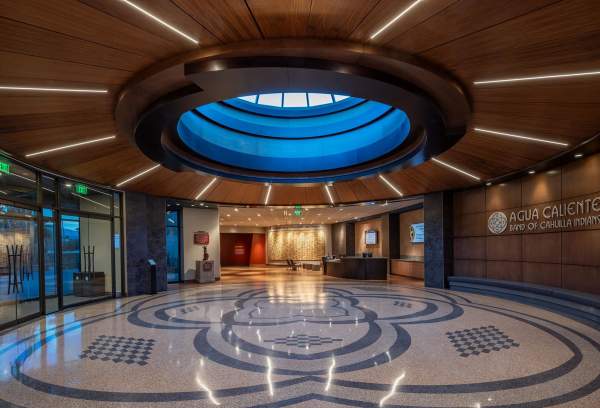
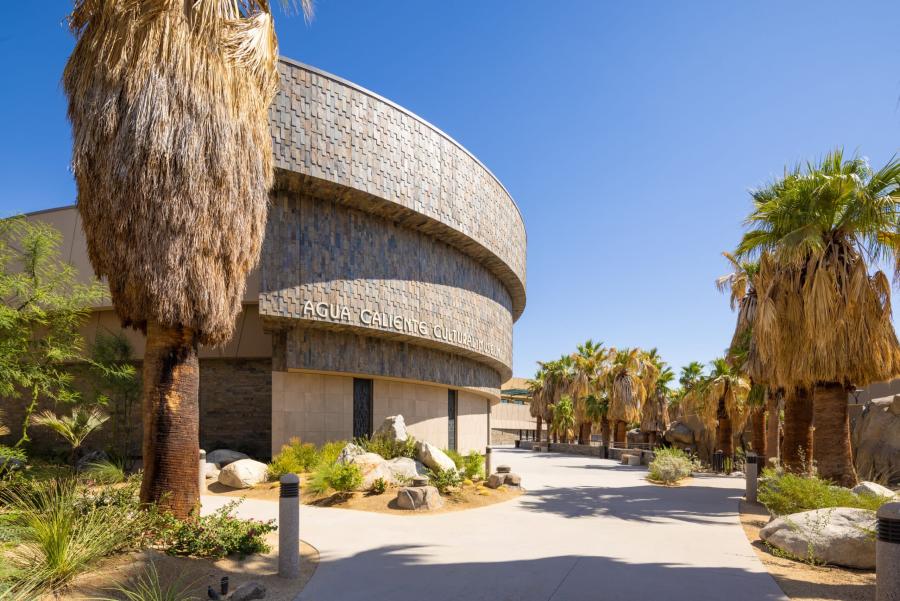
The best place to begin exploring Native Palm Springs is the Agua Caliente Cultural Museum, located in the heart of downtown within the 5.8-acre Agua Caliente Cultural Plaza.
The nearly 48,000-square-foot museum tells the story of the Agua Caliente Band of Cahuilla Indians through immersive exhibits, multimedia storytelling, archaeological discoveries, traditional objects, and first-person accounts from Tribal members.
The experience begins with the Cahuilla creation story and continues through the Tribe's ancestral relationship with the land, traditional lifeways, cultural practices, colonization, adaptation, and sovereignty.
Among the museum's highlights are:
- A 360-degree theater presenting the Cahuilla creation and migration story
- Exhibits exploring the Tribe's ancestral homelands
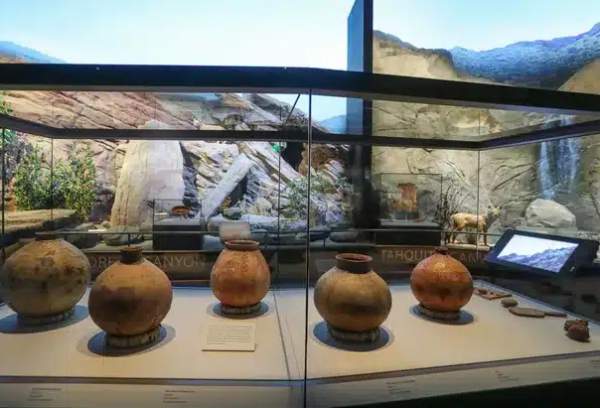
- Traditional baskets, ollas, ceremonial objects, and other material culture
- A timeline exploring the Tribe's history and path toward self-determination
- Archaeological artifacts discovered during construction of the Cultural Plaza, some dating back approximately 8,000 years
- Video stories and perspectives from members of the Agua Caliente community
The museum provides context for everything else you'll experience throughout Native Palm Springs. It helps visitors understand that the canyons, palms, springs, and mountains surrounding the city aren't simply scenic attractions—they are part of an ancestral homeland.
👉 Agua Caliente Cultural Museum: History, Tips & Guide
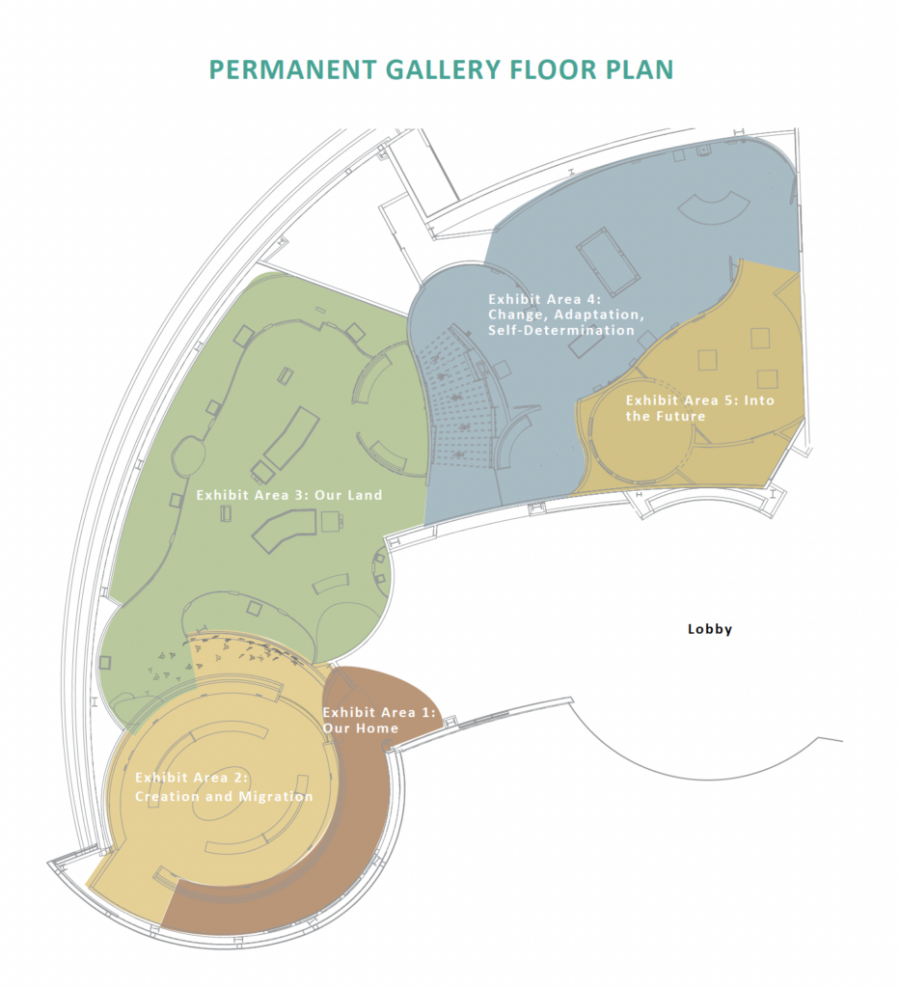
Our Home introduces visitors to the Cahuilla Nation, which includes lands occupied by the Agua Caliente Band of Cahuilla Indians and the eight other bands of Cahuilla Indians.
Creation and Migration uses 360-degree projection and immersive digital animation to tell the Agua Caliente Creation and Migration stories in a theater setting.
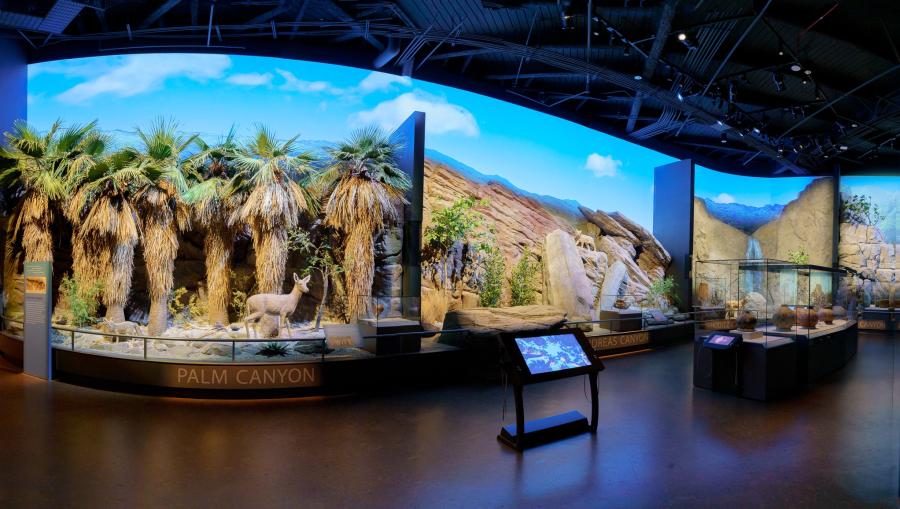
Our Land explores the ancestral lands of the Agua Caliente people in more depth. Scale replicas of the Indian Canyons, Tahquitz, and Chino, as well as the Tribe's sacred mineral hot spring, Séc-he, are featured here, along with examples of Agua Caliente ceremonial practices, material culture, and artistic expression.
Change, Adaptation, Self-Determination takes the visitor through the Tribe's more recent history, beginning with the arrival of Euro-American settlers in the 19th century and ending in the present day, through a visual timeline and numerous audiovisual elements.
Into the Future steps back to focus on archaeology, specifically artifacts discovered during Agua Caliente Cultural Plaza excavations, including the Agua Caliente Cultural Museum and the Spa at Séc-he. The manos, metates, and projectile points on display, carbon-dated as far back as approximately 8,000 years, demonstrate the Agua Caliente people's longstanding occupation of this region.
Explore the Agua Caliente Cultural Plaza
Give yourself time to experience the Cultural Plaza beyond the museum.
The centerpiece of the outdoor space is the Oasis Trail, an interpretive landscape inspired by the natural environments of Indian Canyons and Tahquitz Canyon. Native plants, rock formations, and water features illustrate the relationship between the Agua Caliente people and the desert environment. Interpretive elements explain traditional uses of plants and other resources.
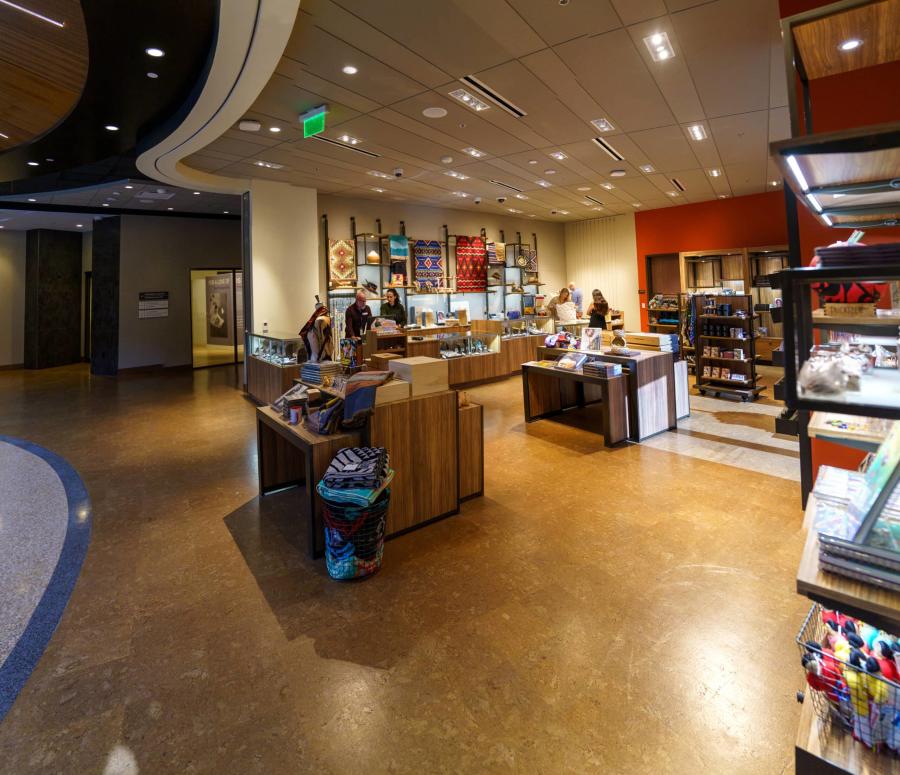
The plaza also provides access to the Museum Store, where visitors can find Native-made and Native-inspired art, jewelry, books, clothing, accessories, and other items.
The Cultural Plaza offers a convenient way to experience Native Palm Springs by bringing together culture, history, landscape, and contemporary Tribal life in the center of the city.
Experience the Healing Waters of Séc-he
Water is central to the story of Palm Springs.
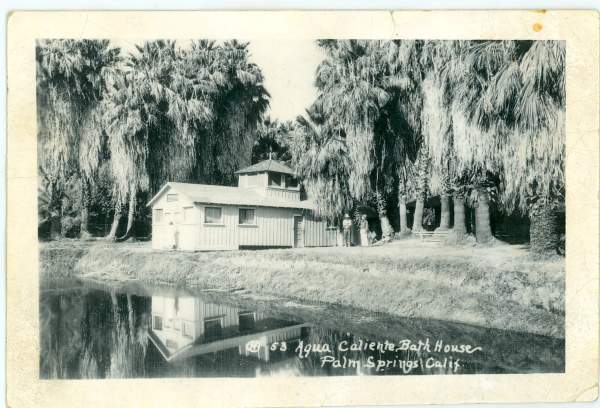
The Agua Caliente Hot Mineral Spring, known as Séc-he, has been an important resource for the Agua Caliente people for thousands of years. The spring remains at the heart of the Tribe's connection to this place.
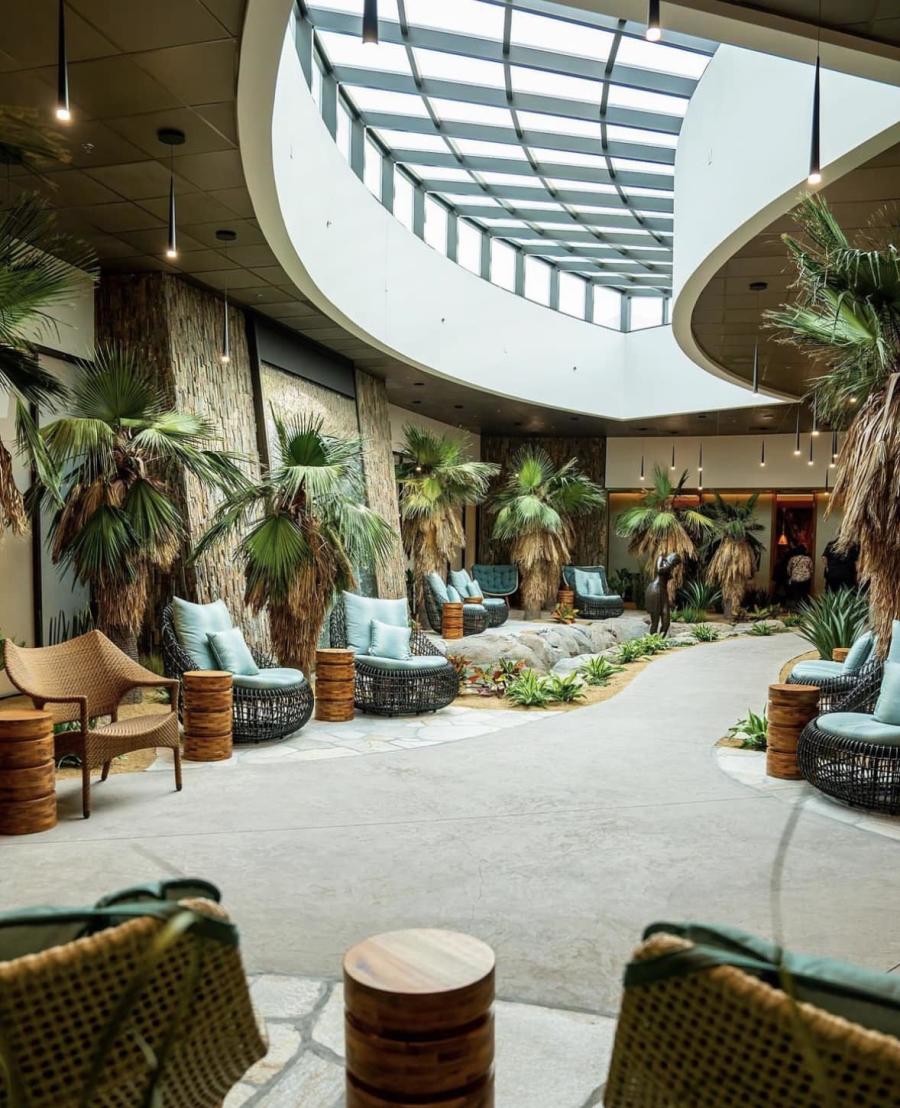
Today, visitors can experience those waters at The Spa at Séc-he, a contemporary wellness destination built around the historic hot mineral spring. The experience combines modern spa services with the spring's historical significance. Guests can enjoy mineral-water experiences, spa treatments, pools, wellness facilities, and dining at Málmal Café.
For visitors interested in the connection between Native culture and Palm Springs' long history as a wellness destination, Séc-he provides an important piece of the story.
Explore more: Agua Caliente Hot Mineral Springs: A Sacred Legacy of Healing & Culture
Walk Through the Ancestral Lands of Indian Canyons
Just south of downtown, Indian Canyons offers the opportunity to experience the landscape that has sustained the Agua Caliente people for generations.
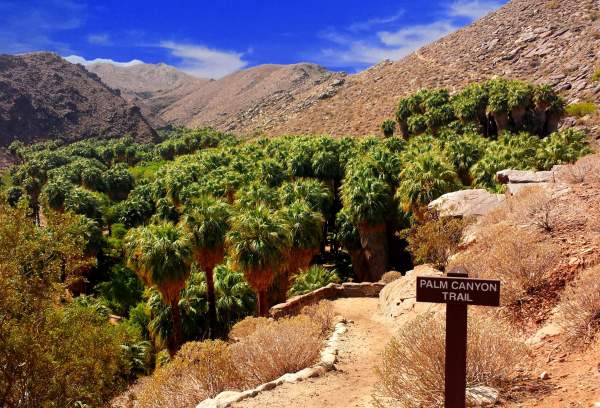
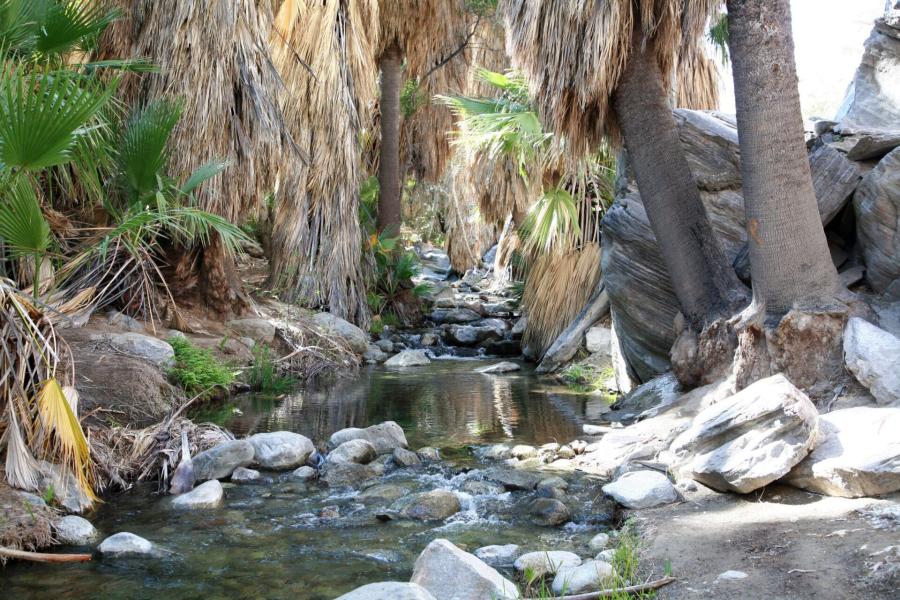
The area includes Palm Canyon, Andreas Canyon, and Murray Canyon, where desert fan palms, streams, rock formations, and mountain landscapes create a striking contrast to the surrounding desert. These aren't simply hiking destinations. They are ancestral lands with deep cultural significance.
The California fan palm, or Washingtonia filifera, was particularly important to the Cahuilla people. Different parts of the palm could be used for food, shelter, weaving, tools, and other purposes. Indian Canyons is the world's largest reserve of desert fan palms.
Palm Canyon
Palm Canyon is home to one of the world's largest naturally occurring California fan palm oases and offers a range of trails through the dramatic canyon landscape.
👉 Palm Canyon: Exploring the World's Largest Reserve of Desert Fan Palms
Andreas Canyon
Andreas Canyon offers an easier introduction to the landscape, with a relatively short trail winding through palms, rock formations, and desert vegetation.
Murray Canyon
Murray Canyon provides a more adventurous hiking experience, with rugged terrain, seasonal water, and access to the popular Seven Sisters area.
Visitors should plan ahead because Indian Canyons' hours and access can vary seasonally.
Explore more: Hike Indian Canyons: A Complete Trail Guide to Sacred Oasis
Discover the Story of Tahquitz Canyon
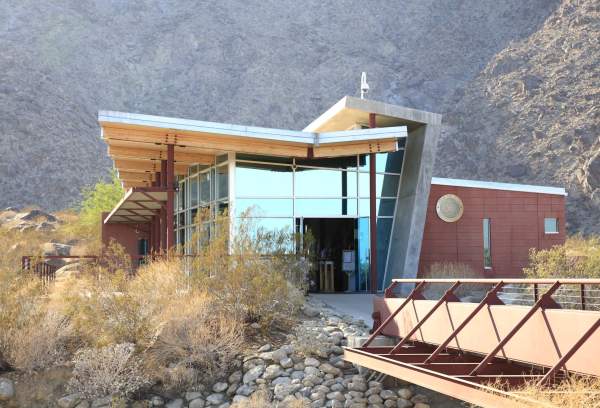
Another important part of the Agua Caliente landscape is Tahquitz Canyon, located just west of downtown Palm Springs.
The canyon has been part of Agua Caliente life for thousands of years and is deeply connected to Cahuilla stories and traditions. It is named for Tahquitz, a powerful figure in Cahuilla oral tradition.
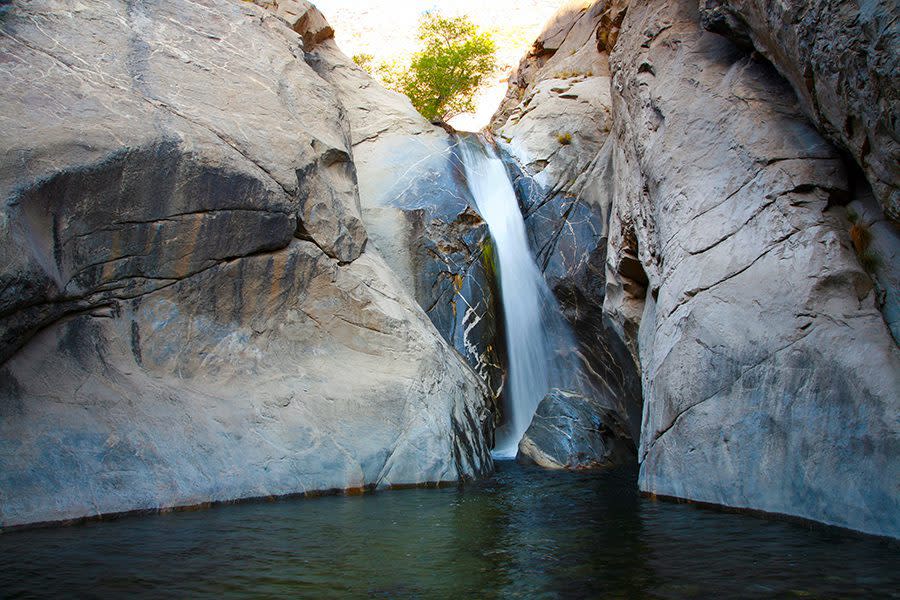
Today, visitors can follow a two-mile loop trail through the canyon toward the seasonal 60-foot Tahquitz Falls. Along the way, the landscape reveals evidence of the area's long human history, including rock art, rock mortars, and other cultural features.
The Tahquitz Canyon Visitor Center provides additional cultural and historical context, including exhibits and a film about the Legend of Tahquitz.
Because Tahquitz Canyon is culturally significant, visitors are encouraged to treat the landscape with care and respect.
Learn more: Welcome to the Tahquitz Canyon Visitor Center
Learn From the Living Culture of the Agua Caliente People
Native Palm Springs isn't only about archaeology and history.
The Agua Caliente Band of Cahuilla Indians is a federally recognized Tribe with more than 500 members and continues to maintain and share its cultural traditions today. The Tribe's cultural tourism programs invite visitors to better understand Agua Caliente history, traditions, and contemporary life.
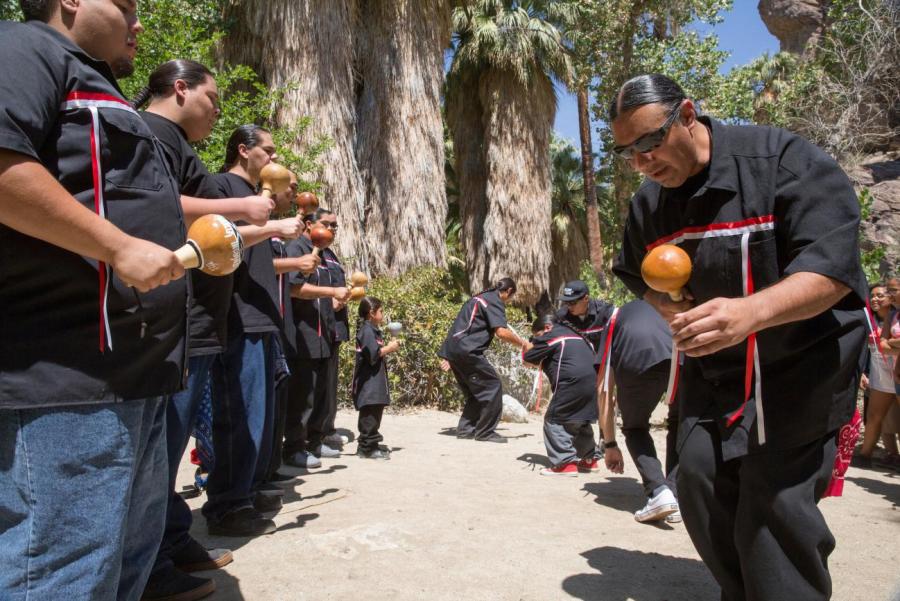
Cultural programming can include opportunities to learn about Cahuilla language, traditional plants, basketry, birdsinging, dancing, storytelling, and other cultural traditions. Check current programming before your visit, as offerings and schedules change throughout the year.
Explore current events: Palm Springs Events Calendar
Respect the Land and the Culture
Visiting Native Palm Springs is an opportunity to experience places that hold deep cultural significance.
A few simple practices help protect these places and show respect:
- Stay on designated trails.
- Don't remove rocks, plants, artifacts, or other natural or cultural objects.
- Follow posted rules and instructions from Tribal staff and rangers.
- Take care when photographing cultural sites.
- Leave the landscape as you found it.
- Bring plenty of water when hiking.
- Check seasonal conditions and operating hours before heading into the canyons.
Most importantly, approach these places as more than beautiful desert scenery. They are part of a living homeland.
Why Native History Is Essential to the Palm Springs Story
Palm Springs is famous for many things: midcentury modern architecture, Hollywood history, natural hot springs, resorts, golf, art, and the desert landscape.
But the story begins much earlier.
The Agua Caliente Band of Cahuilla Indians has called this region home for thousands of years. Their relationship with the land, water, plants, and mountains helped shape the landscape visitors experience today. The modern city grew around resources that were already central to Agua Caliente life—including the hot mineral spring and palm-filled desert oases.
Understanding that history changes the way you experience Palm Springs. A palm grove becomes more than a scenic backdrop. A hot spring becomes more than a wellness attraction. A hiking trail becomes part of an ancient cultural landscape.
That's the deeper story of Native Palm Springs.
Plan Your Native Palm Springs Experience
You can experience Native Palm Springs in a single afternoon or spend several days exploring its different layers.
- For culture and history: Start at the Agua Caliente Cultural Museum and explore the Cultural Plaza and Oasis Trail.
- For nature: Visit Indian Canyons and explore Palm, Andreas, or Murray Canyon.
- For a combination of nature and cultural history: Hike Tahquitz Canyon and visit the Tahquitz Canyon Visitor Center.
- For wellness: Experience the mineral-rich waters and contemporary treatments at The Spa at Séc-he.
- For a broader understanding: Combine these experiences with Palm Springs' other historic and cultural attractions to see how the city's Native, natural, architectural, and contemporary stories intersect.
Frequently Asked Questions About Native Palm Springs
Who are the Agua Caliente Band of Cahuilla Indians?
The Agua Caliente Band of Cahuilla Indians is a federally recognized Native American Tribe whose ancestral homeland includes Palm Springs and surrounding areas. The Tribe has lived in the region since time immemorial and continues to maintain its cultural traditions and connection to the land.
Where can I learn about Native American history in Palm Springs?
The Agua Caliente Cultural Museum in downtown Palm Springs is the best place to begin. Visitors can also learn about Agua Caliente history and culture at Indian Canyons, Tahquitz Canyon, the Cultural Plaza, and through Tribal cultural programs.
Can visitors experience Agua Caliente culture in Palm Springs?
Yes. Visitors can explore the Agua Caliente Cultural Museum and Cultural Plaza, hike through ancestral lands at Indian Canyons and Tahquitz Canyon, experience the hot mineral spring at The Spa at Séc-he, and attend cultural programs and events offered year-round.
What is the Agua Caliente Cultural Plaza?
The Agua Caliente Cultural Plaza is a 5.8-acre cultural destination in downtown Palm Springs centered around the Agua Caliente Cultural Museum. It also includes the Oasis Trail, native landscaping, the Museum Store, and The Spa at Séc-he.
What is Séc-he?
Séc-he is the sacred hot mineral spring at the heart of the Agua Caliente Band of Cahuilla Indians' connection to Palm Springs. The spring has been important to the Tribe for thousands of years and is now also the source of the mineral waters at The Spa at Séc-he.
Are Indian Canyons and Tahquitz Canyon part of the Agua Caliente reservation?
Yes. Indian Canyons and Tahquitz Canyon are located within the ancestral lands of the Agua Caliente Band of Cahuilla Indians and are culturally significant places. The Tribe manages these visitor experiences and invites guests to learn about the land and its history
Explore More: