

Palm Springs' LGBTQ+ history is deeply intertwined with Hollywood's story.
Long before Palm Springs became known as one of America's most LGBTQ+-friendly destinations, the desert was a place where Hollywood stars could escape Los Angeles's scrutiny. The city's distance from Hollywood, relaxed atmosphere and emphasis on privacy created a refuge for people whose personal lives were often closely guarded by studios, the press and the public.
Over time, that culture of privacy helped create something much bigger. LGBTQ+ residents and visitors built businesses, friendships, social networks and community organizations in Palm Springs. What began as a largely private presence gradually became a visible community—one that would help shape the city's culture, architecture, hospitality industry and civic life.
Today, LGBTQ+ culture is an integral part of Palm Springs. But that identity took decades to build.
Hollywood's Desert Escape
Palm Springs' relationship with Hollywood began taking shape in the early 20th century. Less than two hours from Los Angeles, the desert offered celebrities a chance to step away from the attention that followed them in Hollywood.
That privacy became especially important during the studio system era. Hollywood studios closely managed their stars' public images, and morality clauses could put careers at risk over behavior considered scandalous. For LGBTQ+ actors and other entertainment professionals, living openly could have serious professional consequences.
Palm Springs offered a degree of separation. Hollywood figures could own homes, stay at hotels, entertain friends and socialize without being quite so visible to the Los Angeles press. The city became part of a private network of desert retreats where people could step outside the roles they were expected to play in public.
For LGBTQ+ people, that privacy could be particularly meaningful.
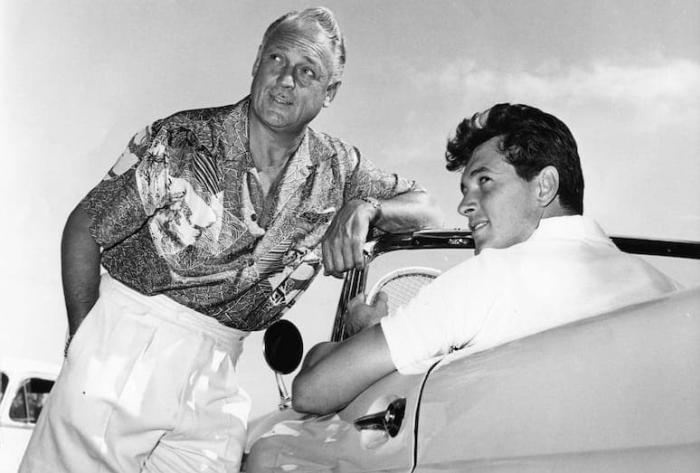
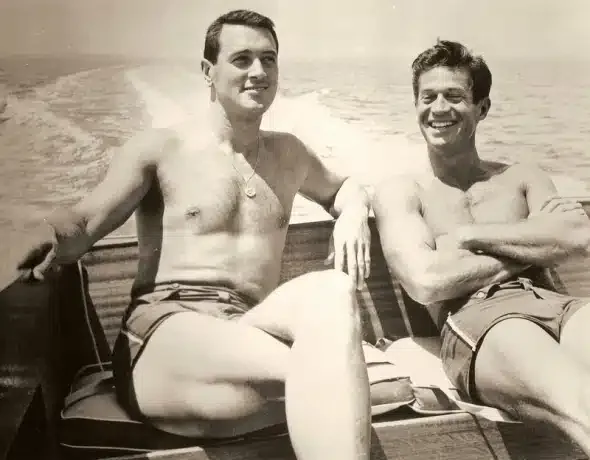
Rock Hudson and Mayor Charles Farrell. Credit: Palm Springs Historical Society.
LGBTQ+ Hollywood Comes to the Desert
Some of the most influential LGBTQ+ figures connected to Palm Springs were part of Hollywood's creative community.
Greta Garbo
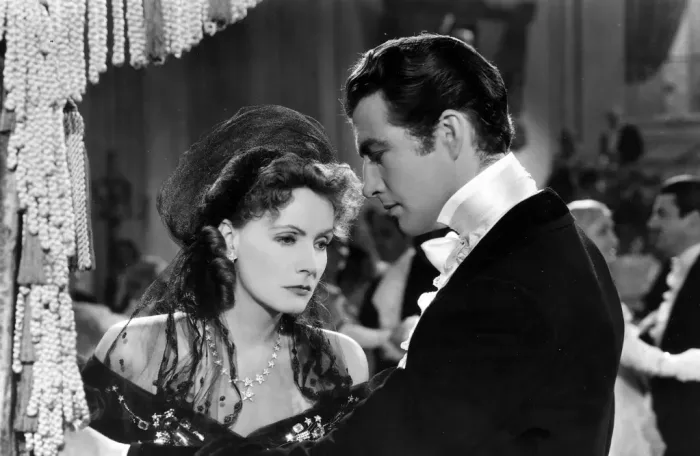
For Greta Garbo, this was a trailblazer’s hideaway. The Swedish actress, known for her fierce independence and mysterious persona, was one of the first Hollywood icons to establish a presence in Palm Springs during the 1930s. She found solace in the desert, which allowed her to escape the media's constant scrutiny and the studio system's expectations. She insisted that the premiere of her 1936 film, Camille, be shown at the grand opening of the Plaza Theater downtown. She was MGM's biggest star. It was reported she stayed at the Ingleside Inn (Now Estate) at the time. Others in attendance were Robert Taylor, Barbara Stanwyck, Tyrone Power, Ralph Bellamy, and the famous singer Rudy Vallee.
Greta Garbo, Marlene Dietrich, Tallulah Bankhead, and Janet Gaynor were part of an underground lesbian, or at least bisexual, element in Hollywood society.
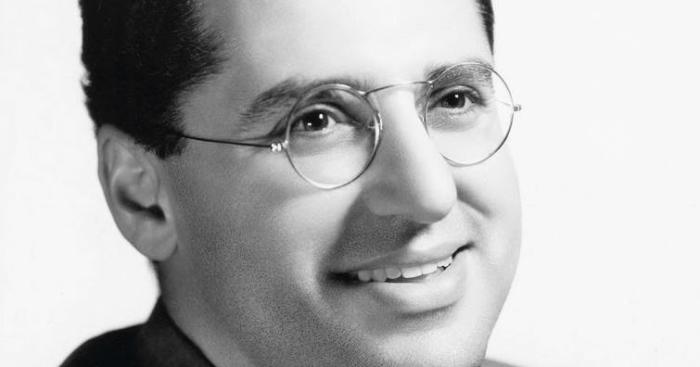
George Cukor
Director George Cukor, who won an Academy Award for My Fair Lady, was one of Hollywood's most respected filmmakers. He was also gay at a time when many people in the entertainment industry were forced to keep their private lives out of the public eye.
Cukor was known for hosting gatherings for friends and fellow members of Hollywood's LGBTQ+ community. His social circle included actors, writers, designers, and other creative figures. Those private networks are an important part of understanding LGBTQ+ history in Palm Springs. Community did not necessarily begin with organizations or public events. For many people, it began with knowing where they could go, whom they could trust, and where they could simply be themselves.
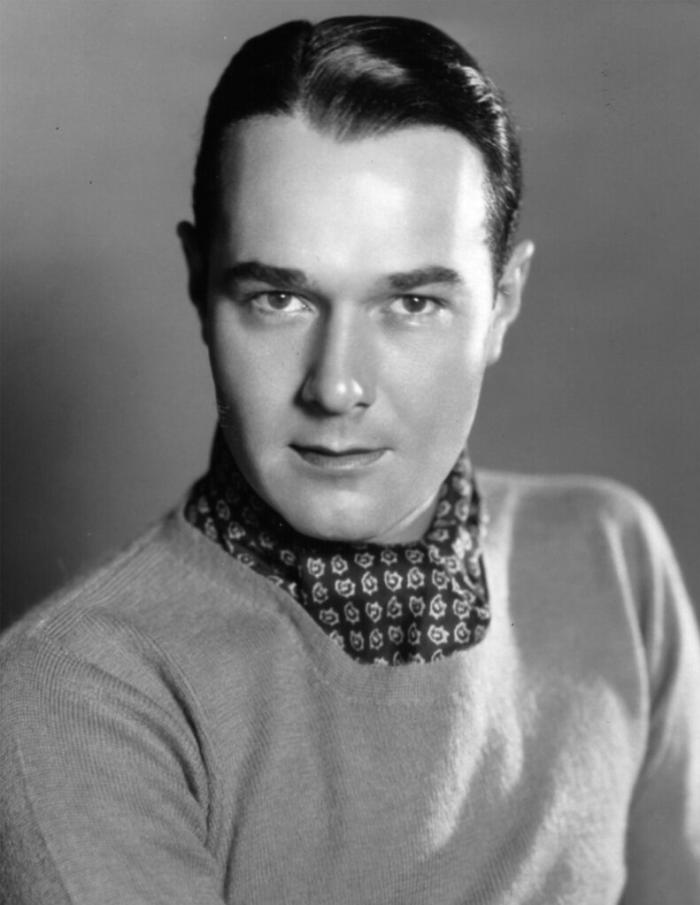
William Haines
Actor William Haines provides another important link between Hollywood, LGBTQ+ history, and Palm Springs design. Haines was one of Hollywood's biggest stars during the 1920s and early 1930s. He was also openly gay in his personal life, something that ultimately cost him his film career.
After leaving Hollywood, Haines and his partner, Jimmie Shields, built a successful interior design business. Their clients included some of Hollywood's biggest names. Clients included Joan Crawford, Gloria Swanson, Carole Lombard, Rosalind Russell, Constance Bennett, Marion Davies, Lucille Ball, Ann Rutherford, Jack Benny, and George Cukor.
As Haines' celebrity clientele traveled to Palm Springs, his influence followed.
Haines eventually became part of the design culture that helped transform Palm Springs into a modernist desert destination. His story demonstrates that LGBTQ+ contributions to Palm Springs were not limited to nightlife or social life. LGBTQ+ designers and creatives helped shape the city's visual identity.
Midcentury Reality: Visibility vs. Secrecy
By the 1950s and 1960s, Palm Springs had a growing reputation as a tolerant escape—but public openness was still limited.
Rock Hudson’s life reflects that tension. While maintaining a carefully managed public image in Hollywood, he found relative freedom in Palm Springs, where he could spend time with his partner, George Nader, away from scrutiny. Similarly, speculation around Cary Grant and Randolph Scott reflects how LGBTQ+ lives often existed in coded, semi-visible ways.
Palm Springs didn’t eliminate risk—but it softened it.
Liberace
Liberace, the flamboyant and talented pianist, became synonymous with Palm Springs’ gay heyday. His friends called him Lee, and he lived in Palm Springs for 25 years until his death in 1987. Liberace’s opulent Palm Springs estate, known as “Casa de Liberace,” was a grand reflection of his extravagant personality. It was kitty-corner from Our Lady of Solitude church, where he would later have his funeral service. Lee regularly entertained guests and threw lavish parties, solidifying Palm Springs as a haven for those who celebrated artistic expression and flamboyance.
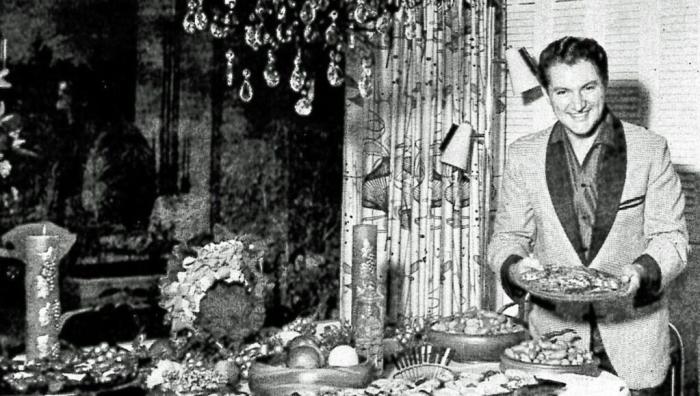
Liberace - Thanksgiving in Palm Springs - 1958
Arthur Elrod
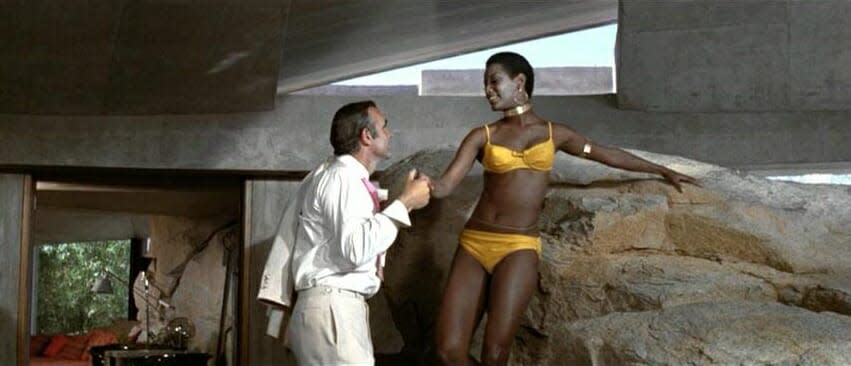
Interior designer Arthur Elrod was another major figure in Palm Springs' design history. Elrod's work helped define the sophisticated, experimental aesthetic associated with midcentury Palm Springs. He became known for bold interiors, innovative use of space, and an ability to blend indoor and outdoor environments.
His own home, designed by architect John Lautner in 1968, became one of Palm Springs' most recognizable residences. The dramatic Elrod House later appeared as the home of villain Willard Whyte in the James Bond film Diamonds Are Forever.
Elrod's legacy is a powerful example of the intersection of LGBTQ+ history, Hollywood, and Palm Springs architecture. His influence is still visible in the city's design culture today.
Rock Hudson and the Reality of Privacy
Few stories illustrate the tension between Hollywood's public image and private life better than that of Rock Hudson. Hudson became one of Hollywood's most successful leading men, building a career around his image as a handsome romantic star. Behind that carefully managed public persona, however, he was a gay man living during a time when coming out could have ended a Hollywood career.
Most fans remember him in movies like Pillow Talk, the first of several successful films he co-starred in with Doris Day. Later, it would be the TV series McMillan and Wife from 1971 to 1977, co-starring with Susan Saint James.
Hudson began spending time in Palm Springs in the 1950s, finding a place where he could escape some of the scrutiny surrounding his life in Los Angeles. His relationship with fellow actor George Nader was part of the private life Hudson maintained away from the Hollywood spotlight.
Hudson's story became even more significant in the 1980s. When he publicly disclosed that he had AIDS in 1985, the announcement brought international attention to the epidemic. Because of Hudson's deep connection to Palm Springs, his story resonated particularly strongly in the desert community.
Palm Springs Becomes More Than a Hideaway
By the late 20th century, LGBTQ+ people were no longer simply visiting Palm Springs individually or through Hollywood connections. A community was developing.
Residents and visitors created social networks, businesses, and gathering places. Over time, Palm Springs became a place where LGBTQ+ people could not only escape but also build lives. This distinction is important. The city's LGBTQ+ history isn't simply a story about famous people who owned homes here. It is also the story of the residents, entrepreneurs, activists, artists, and business owners who gradually created a community.
Building a Community
The Desert Business Association, founded in 1979, became an important organization for Palm Springs' LGBTQ+ business community. Its work helped bring LGBTQ+-owned and LGBTQ+-friendly businesses together at a time when visibility was still evolving.
Other institutions and businesses followed.
Arenas Road gradually developed into the center of LGBTQ+ nightlife and social life. LGBTQ+-focused resorts became an increasingly important part of the hospitality landscape, particularly in the Warm Sands neighborhood.
These businesses created something that had been difficult to find in earlier decades: spaces where LGBTQ+ people could socialize openly and feel part of a larger community.
The evolution of the Arenas District is one of the clearest examples of that transformation. What was once a relatively quiet stretch of downtown became a nationally recognized LGBTQ+ cultural and nightlife district.
The HIV/AIDS Crisis Changes Palm Springs
The 1980s brought one of the most difficult chapters in LGBTQ+ history. The HIV/AIDS epidemic devastated communities across the United States, and Palm Springs was deeply affected.
In 1984, DAP Health was established to provide care and support during a period when misinformation, fear, and stigma surrounded HIV/AIDS. Local residents, healthcare workers, and community organizations responded to a crisis affecting their friends, neighbors, and families.
The epidemic changed Palm Springs. The LGBTQ+ community was no longer simply creating places to gather. It was organizing to care for its members, advocate for better healthcare and challenge discrimination.
That tradition of community activism would become an important part of Palm Springs' identity.
Pride and Public Visibility
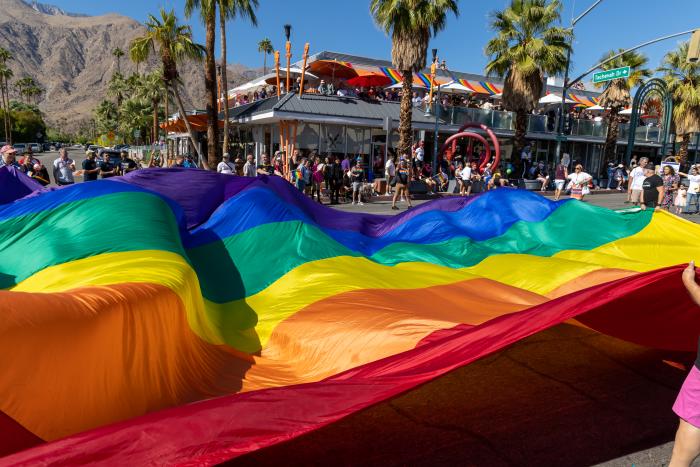
As the LGBTQ+ community became more organized, public visibility increased. Palm Springs Pride began in 1986 with a small dinner and variety show called Sizzle. The celebration eventually grew into a public festival and, in 1992, the first official Pride parade took to Palm Springs streets.
In 1995, Pride moved to November, where the cooler desert weather helped the event expand into the large outdoor celebration it is today.
Pride became more than an annual party. It represented the transition from a community that had once relied heavily on privacy to one that was increasingly comfortable claiming a visible place in Palm Springs' public life.
For the full story of how Palm Springs Pride evolved, explore our history of Palm Springs Pride and the current Palm Springs Pride® Days guide.
LGBTQ+ Businesses Help Transform Palm Springs
The growth of LGBTQ+ businesses had an impact far beyond the community itself.
Gay men's resorts, restaurants, bars, shops and other businesses helped revitalize neighborhoods and establish Palm Springs as a destination for LGBTQ+ travelers.
The Warm Sands neighborhood became particularly associated with LGBTQ+-focused resorts, while Arenas Road developed into a center of nightlife and entertainment.
These businesses helped create a visitor experience distinct from other destinations. Travelers could find not only individual LGBTQ+-friendly establishments but an entire community and network of businesses. That evolution helped turn Palm Springs from a place where LGBTQ+ people sought privacy into a destination where LGBTQ+ culture was part of the city's identity.
LGBTQ+ Influence on Palm Springs Design
The LGBTQ+ influence on Palm Springs isn't limited to hospitality. It also shows up in the city's architecture and design. Figures such as William Haines and Arthur Elrod helped shape Palm Springs' reputation as a center of modernist design. LGBTQ+ homeowners, designers, artists, and tastemakers became part of a community that embraced experimentation, individuality, and a distinctly Palm Springs approach to indoor-outdoor living.
The relationship between LGBTQ+ culture and Palm Springs modernism is one reason the city's history is so compelling. The same spirit of self-expression that helped make Palm Springs attractive to LGBTQ+ residents and visitors also became part of the city's visual identity.
From Community to Civic Influence
As Palm Springs' LGBTQ+ population became more visible and organized, its influence extended into civic life. The city became nationally recognized for LGBTQ+ representation in local government, including openly LGBTQ+ mayors and elected officials. That progression—from private lives to public visibility to civic leadership—is an important part of the Palm Springs story. The LGBTQ+ community did not simply become part of Palm Springs tourism. It helped shape the city itself.
Palm Springs Today
Today, Palm Springs is known internationally for its LGBTQ+ community, hospitality, and culture.
Visitors can experience that history throughout the city:
- The Arenas District remains a center of LGBTQ+ nightlife and business.
- Warm Sands is home to a collection of LGBTQ+-focused men's resorts.
- Pride brings the community and visitors together every November.
- LGBTQ+ artists, designers, performers, and entrepreneurs continue to contribute to the city's cultural life.
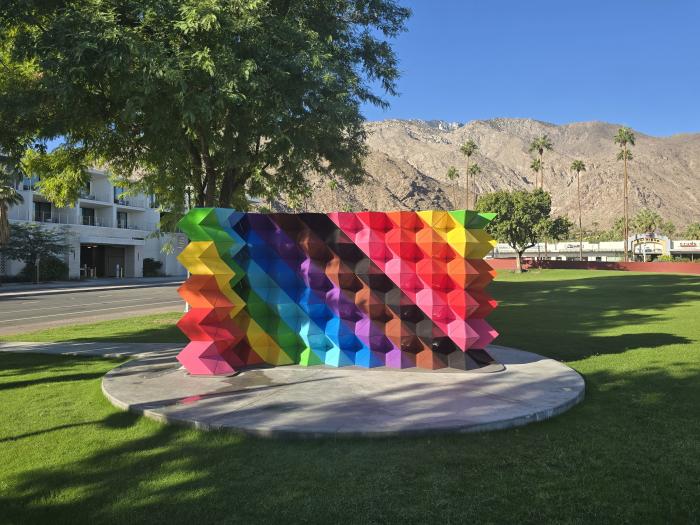
- The Pride Monument in Frances Stevens Park provides a permanent public tribute to LGBTQ+ history and community.
- The LGBTQ+ History & Archives of the Desert preserves photographs, documents, and stories from Palm Springs and the Coachella Valley.
The archives are particularly important because much of LGBTQ+ history was never formally recorded. The community-based organization works to collect, preserve, and make accessible the stories of LGBTQ+ people, businesses, organizations, and events throughout the region.
A History Still Being Written
Palm Springs' LGBTQ+ history is ultimately a story about transformation. Hollywood helped establish Palm Springs as a place where people could escape public scrutiny. LGBTQ+ residents and visitors found that privacy, then gradually created something more lasting: community. Businesses became gathering places. Designers and artists helped shape the city's aesthetic. Activists organized during the AIDS crisis. Pride brought LGBTQ+ visibility into the streets. And community members eventually became leaders in Palm Springs civic life.
What began behind closed doors became a visible part of the city's identity. And that history is still being written.
Frequently Asked Questions
Why is Palm Springs known for its LGBTQ+ history?
Palm Springs developed a significant LGBTQ+ community over many decades. Its early connection to Hollywood made the city a place where people could find privacy away from Los Angeles, while LGBTQ+ residents, businesses, artists, activists and entrepreneurs eventually built a highly visible community of their own.
When did Palm Springs become an LGBTQ+ destination?
Palm Springs' LGBTQ+ presence developed gradually, particularly from the mid-20th century onward. By the 1970s and 1980s, LGBTQ+-owned businesses, resorts and community organizations were becoming increasingly established, helping transform Palm Springs into a recognized LGBTQ+ destination.
How is Hollywood connected to Palm Springs LGBTQ+ history?
Hollywood's relationship with Palm Springs is an important part of the city's LGBTQ+ history. During the studio era, Palm Springs offered celebrities and entertainment professionals privacy away from Los Angeles. LGBTQ+ figures including William Haines, George Cukor, Rock Hudson and Arthur Elrod had important connections to the city.
What role did LGBTQ+ businesses play in Palm Springs?
LGBTQ+-owned businesses helped create spaces for community, social connection, and economic development. Resorts in Warm Sands and businesses along Arenas Road helped establish Palm Springs as a destination where LGBTQ+ travelers could find an entire community, not just individual welcoming businesses.
What is the LGBTQ+ History & Archives of the Desert?
The LGBTQ+ History & Archives of the Desert is a community-based archive dedicated to documenting, preserving, and sharing the history of LGBTQ+ people, businesses, organizations, and events in Palm Springs and the Coachella Valley. The archive includes historical materials and hosts exhibitions and community programs.
Related Palm Springs History: