


Palm Springs Weather: What to Expect Year-Round
Palm Springs is known for abundant sunshine, warm temperatures, and a remarkably dry desert climate. Rain is uncommon, humidity is generally low, and the city enjoys comfortable outdoor weather for much of the year.
But Palm Springs weather changes dramatically with the seasons. Winter brings mild, sunny days and cool evenings, spring and fall offer some of the most comfortable temperatures for exploring, and summer brings the intense desert heat Palm Springs is famous for.
Whether you're planning a winter getaway, a spring hiking trip, a summer pool vacation or a fall weekend in the desert, here's what to expect from Palm Springs weather — including average temperatures, rainfall, what to wear and what to pack.
Palm Springs Weather at a Glance
Palm Springs has a hot desert climate with long, sunny summers and mild winters. Temperatures can vary significantly between daytime and nighttime, particularly during the cooler months.
- Summer (June–September): Very hot and sunny, with daytime temperatures frequently reaching the triple digits.
- Fall (October–November): Warm and increasingly comfortable, with cooler evenings.
- Winter (December–February): Mild and sunny during the day, with cool mornings and evenings.
- Spring (March–May): Warm, dry, and ideal for many outdoor activities, with temperatures increasing toward summer.
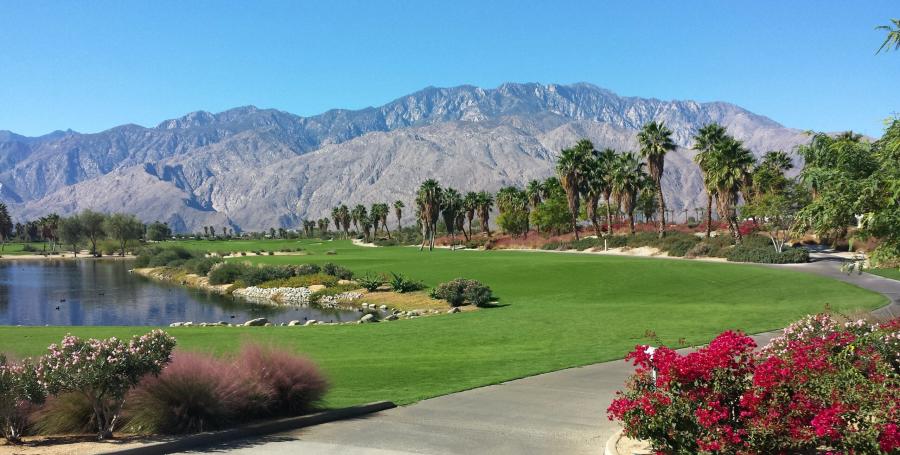
Palm Springs sits at the base of the San Jacinto Mountains, which rise dramatically above the desert floor. The surrounding mountains contribute to the area's distinctive desert environment, while the nearby elevation change means you can experience dramatically different temperatures within a relatively short distance.
Palm Springs Weather by Month
Palm Springs is sunny and dry year-round, but temperatures change dramatically from winter to summer. The table below uses climate normals from the National Oceanic and Atmospheric Administration (NOAA) for Palm Springs Regional Airport.
| Month | Average High | Average Low | Rainfall | What to Expect |
|---|---|---|---|---|
| January | 71°F (22°C) | 48°F (9°C) | 2 days | Mild, sunny days and cool evenings. Great for hiking, golf, and sightseeing. |
| February | 74°F (23°C) | 50°F (10°C) | 2 days | Mild and comfortable, with plenty of sunshine. |
| March | 81°F (27°C) | 54°F (12°C) | 1 day | Warm days and cool mornings. Excellent for outdoor activities. |
| April | 87°F (30°C) | 59°F (15°C) | 0 | Warm and dry, with increasingly hot afternoons. |
| May | 95°F (35°C) | 66°F (19°C) | 0 | Hot, sunny, and very dry. Pool season is in full swing. |
| June | 104°F (40°C) | 73°F (23°C) | 0 | Very hot and sunny. Plan outdoor activities for early morning. |
| July | 109°F (43°C) | 79°F (26°C) | 0 | The hottest month, with intense desert heat and occasional summer storms. |
| August | 108°F (42°C) | 80°F (27°C) | 0 | Extremely hot, with warm nights and occasional monsoonal weather. |
| September | 102°F (39°C) | 74°F (23°C) | 0 | Still very hot, but temperatures begin easing toward fall. |
| October | 91°F (33°C) | 65°F (18°C) | 0 | Warm days and cooler evenings make outdoor activities increasingly comfortable. |
| November | 79°F (26°C) | 53°F (12°C) | 0 | Mild, sunny and comfortable — one of the most popular times to visit. |
| December | 69°F (21°C) | 46°F (8°C) | 1 day | Mild days, cool nights, and generally sunny conditions. |
What Is Palm Springs Weather Like in Each Season?
Summer: June Through August
Summer in Palm Springs is hot — and that's part of the experience. Daytime temperatures regularly reach 100°F (38°C) or higher, with the hottest periods of summer sometimes reaching 110°F (43°C) or more. July and August are typically the hottest months, while nighttime temperatures can remain quite warm.
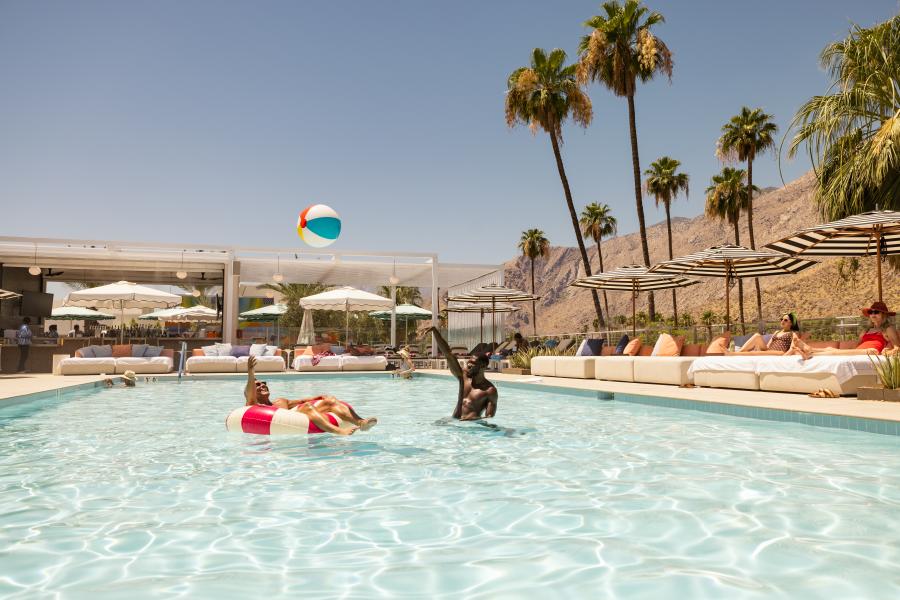
The desert heat does require some planning, but Palm Springs is well equipped for summer. Resort pools, shaded patios, air-conditioned restaurants, spas and indoor attractions make it easy to enjoy the city while staying cool.
Early mornings are the best time for hiking and other strenuous outdoor activities. The hottest part of the afternoon is better suited to pool time, relaxing at your resort, visiting indoor attractions or enjoying a spa treatment. Evenings can be ideal for dining and exploring once the sun goes down.
What to wear: Choose lightweight, breathable clothing such as shorts, sundresses, loose-fitting shirts and sandals. Bring sunglasses, a hat and plenty of sun protection. A light sweater or jacket can also be useful for strongly air-conditioned indoor spaces.
What to pack: Swimsuit, pool cover-up, sunscreen, sunglasses, hat, breathable clothing, comfortable sandals and a reusable water bottle.
👉 Summer in Palm Springs: The Ultimate Guide to Pools, Spas, Dining & Desert Adventures
Fall: September Through November
Fall brings some of the year's most welcome weather changes. Temperatures begin dropping from summer's extremes, making it increasingly comfortable to spend time outdoors.
October can still be quite warm, with an average high of 91°F, while November's average high drops to 79°F. Evenings become noticeably cooler as the season progresses.
This is a popular time for hiking, biking, sightseeing, dining outdoors, and exploring Palm Springs' architecture and neighborhoods.
What to wear: Lightweight clothing works well during the day. Bring a sweater or light jacket for evenings, particularly later in the season.
What to pack: Comfortable walking shoes, lightweight layers, sunglasses, sunscreen, and a light jacket or sweater.
👉 Your Guide to Visiting Palm Springs in the Fall
Winter: December Through February
Winter is one of the most popular times to visit Palm Springs, thanks to mild daytime temperatures and abundant sunshine. Average daytime highs range from 69°F in December to 74°F in February. Once the sun goes down, temperatures can fall into the 40s and 50s°F, so evenings and early mornings can feel considerably cooler.
Winter is an excellent time for hiking, golfing, biking, sightseeing, architecture tours, and dining outdoors.
What to wear: Plan on layers. T-shirts and lighter clothing can work during sunny afternoons, while jeans, trousers, sweaters and a light jacket are useful in the morning and evening.
What to pack: Layers, comfortable walking shoes, a sweater or light jacket, sunglasses, sunscreen and clothes suitable for both warm afternoons and cool evenings.
👉 Palm Springs Winter Travel Guide: Best Things to Do, Stay, Dine & Shop
Spring: March Through May
Spring is another excellent season for enjoying Palm Springs outdoors. Temperatures warm steadily from March through May, with generally sunny and dry conditions.
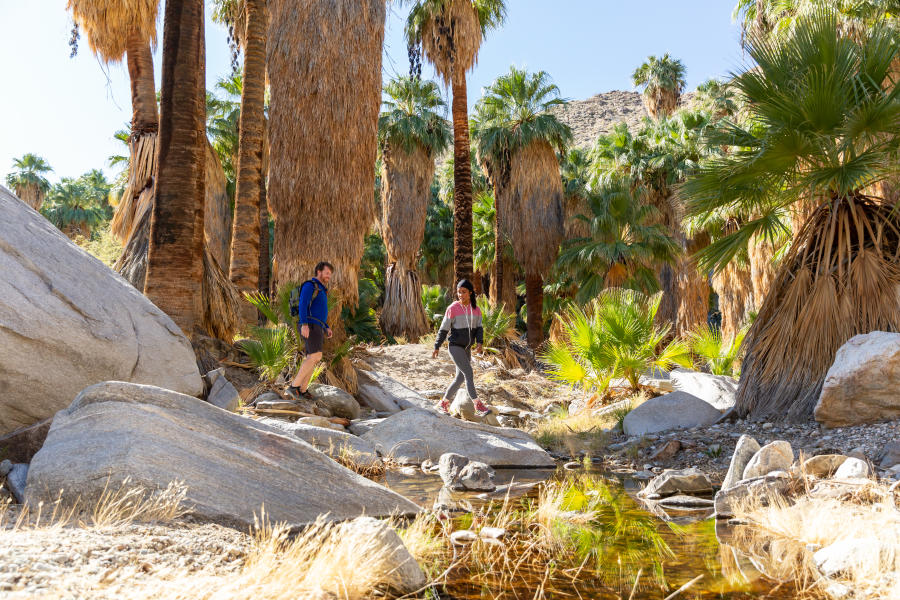
The average high climbs from 81°F in March to 95°F in May. March and April are particularly comfortable for hiking, biking, golf, architecture tours, and exploring the city on foot. By May, temperatures begin moving toward summer heat.
What to wear: Lightweight shirts, shorts, casual pants, skirts and dresses are all good choices. Bring a light layer for cooler mornings and evenings.
What to pack: Comfortable walking shoes or sandals, lightweight clothing, sunglasses, sunscreen, a hat and a light sweater or jacket.
👉 Spring in Palm Springs Getaway Guide
What Is the Best Time to Visit Palm Springs?
There isn't one perfect time to visit Palm Springs — it depends on what you want to do.
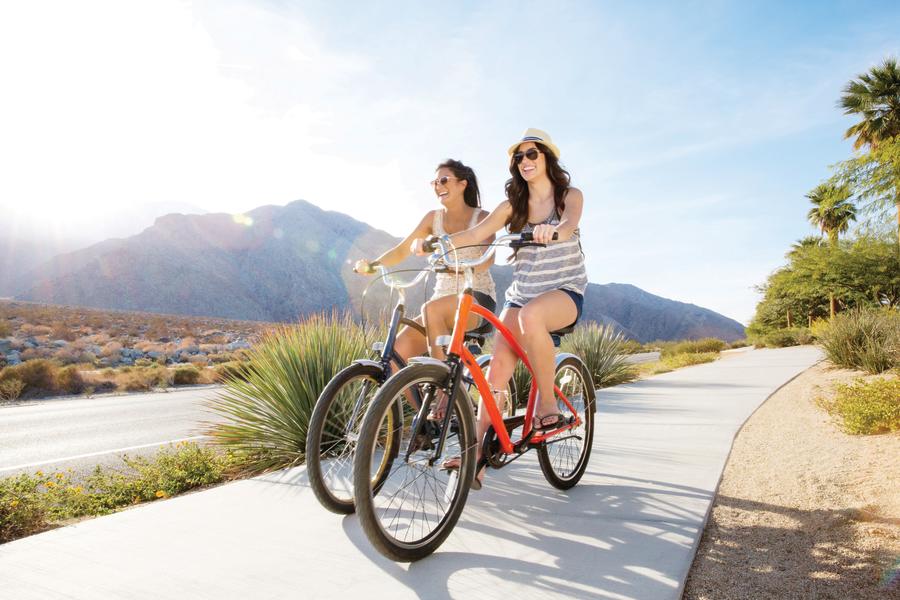
For mild temperatures and outdoor activities, fall, winter, and spring are generally the most comfortable seasons. October through May is especially popular for hiking, golf, biking, sightseeing, festivals, and outdoor dining.
For pool weather and warm temperatures, spring through fall offers plenty of opportunities to enjoy Palm Springs' famous resort pools.
For summer travelers, expect intense heat. If you're comfortable with temperatures above 100°F, summer can be a great time to take advantage of pools, spas, resort amenities, indoor attractions, and summer travel deals.
Does It Rain in Palm Springs?
Not very often. Palm Springs is a desert destination with very little annual precipitation.
January and February are typically the wettest months, while June averages no measurable precipitation in the climate-normal data. Rain can still happen, particularly during winter storms and periods of late-summer monsoonal weather. When storms occur, they can sometimes produce brief but intense rainfall.
For most visitors, rain is unlikely to dominate a Palm Springs vacation. It's still a good idea to check the forecast before heading out for a full day of hiking, golf, or other outdoor activities.
How Hot Does Palm Springs Get in Summer?
Palm Springs summers are genuinely hot. Average high temperatures reach about 104°F in June, 109°F in July, and 108°F in August. Temperatures of 110°F or higher are possible during periods of extreme summer heat.
The heat also means that planning matters. Schedule strenuous outdoor activities for early morning, take advantage of shaded areas and air-conditioned spaces during the hottest part of the day, stay hydrated, and use sun protection.
If you're visiting in July or August, think of your itinerary differently than you would in winter. A morning hike followed by pool time, lunch and an afternoon spa treatment can be much more comfortable than spending the entire day outdoors.
What Should You Wear in Palm Springs?
Palm Springs is a casual destination, and lightweight clothing is appropriate much of the year. The biggest consideration is the temperature difference between sunny afternoons and cooler mornings or evenings.
In summer: Wear lightweight, breathable fabrics and loose-fitting clothing. Shorts, sundresses, T-shirts and sandals are popular choices. Don't forget a hat, sunglasses and sunscreen.
In fall and spring: Lightweight layers are your best bet. Days can be warm while mornings and evenings are cooler.
In winter: Bring layers. A sunny afternoon may call for short sleeves, while an outdoor dinner after sunset may require a sweater or jacket.
For hiking: Wear comfortable, sturdy footwear and bring plenty of water. Sun protection is essential, and remember that conditions can change significantly with elevation.
For a resort or pool day: Bring a swimsuit, cover-up, sandals, sunglasses, and sunscreen. A light layer can be useful when moving between the outdoors and heavily air-conditioned indoor spaces.
What to Pack for Palm Springs
Regardless of when you visit, a few items are useful year-round:
- Sunscreen
- Sunglasses
- Sun hat
- Comfortable walking shoes
- Reusable water bottle
- Swimsuit
- Lightweight clothing
- A sweater or light jacket
- Lip balm and moisturizer for the dry desert air
If you're planning to hike, add sturdy footwear, plenty of water and additional sun protection to your packing list.
If you're visiting during winter, prioritize layers. During summer, prioritize breathable clothing, hydration and sun protection.
Palm Springs Weather and the San Jacinto Mountains
One of Palm Springs' most distinctive features is the dramatic landscape surrounding the city. Palm Springs sits at the base of the San Jacinto Mountains, which rise thousands of feet above the desert floor. The mountains are part of what gives the area its distinctive desert environment and also provide a remarkable opportunity to experience different climates in a single day.
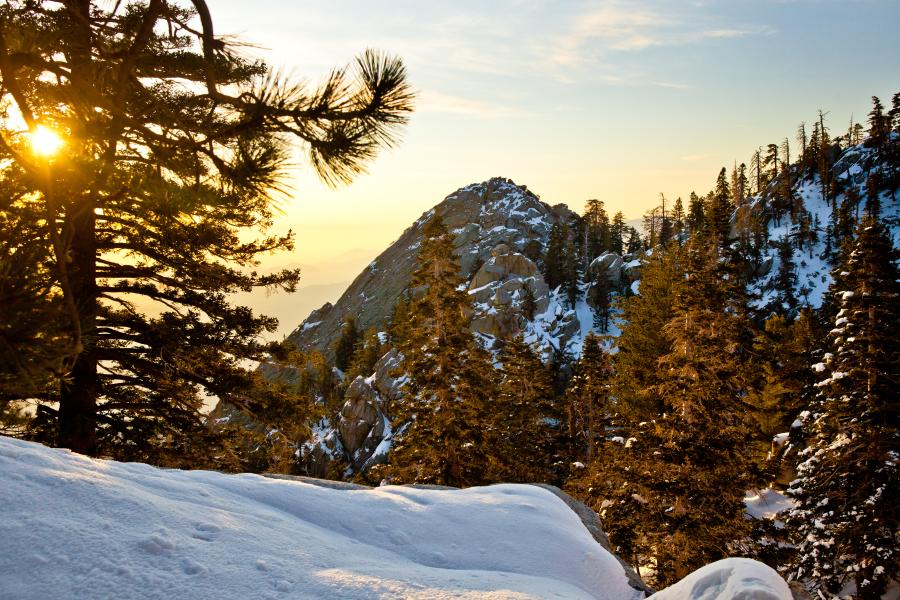
You can start your morning in Palm Springs' warm desert sunshine and travel up the mountain on the Palm Springs Aerial Tramway, where temperatures can be dramatically cooler. Remember that elevation change when planning outdoor adventures. Mountain conditions can differ greatly from downtown Palm Springs, so check the forecast for your specific destination rather than assuming conditions will be the same everywhere. They do get snow in the winter.
Palm Springs Weather FAQs
What is the weather like in Palm Springs?
Palm Springs has a hot desert climate characterized by abundant sunshine, very little rainfall, low humidity and significant seasonal temperature changes. Winters are mild, spring and fall are generally warm and comfortable, and summers are extremely hot.
What is the hottest month in Palm Springs?
July is typically the hottest month, with an average high of about 109°F. August is close behind at 108°F.
What is the coldest month in Palm Springs?
December is typically the coolest month based on average daytime temperatures, with an average high of 69°F and an average low of 46°F. January is similarly cool.
Does it snow in Palm Springs?
Snow is extremely rare in Palm Springs as it rarely freezes. However, snow and much colder conditions can occur at higher elevations in the nearby San Jacinto Mountains.
Is Palm Springs warm in winter?
Yes. Winter is one of the most popular times to visit Palm Springs because daytime temperatures are typically mild and sunny. Evenings and early mornings can be cool, so layers are recommended.
Can you swim in Palm Springs in winter?
Yes. Many Palm Springs resorts offer heated pools, making pool time possible even when outdoor temperatures are cooler.
What is the best month to visit Palm Springs?
The best month depends on your plans. Fall, winter, and spring generally offer the most comfortable conditions for outdoor activities, while summer is a good choice for travelers who enjoy intense heat, resort pools, and summer deals.
Does it rain a lot in Palm Springs?
No. Palm Springs is a desert destination with very little annual rainfall. Rain does occur, but prolonged rainy periods are uncommon.
What should I pack for Palm Springs?
Pack lightweight clothing, comfortable walking shoes, sunglasses, sunscreen, a hat, and a swimsuit. Add layers and a light jacket during the cooler months, and prioritize breathable clothing and hydration during summer.
Plan Your Palm Springs Visit
Whatever the season, Palm Springs offers plenty of ways to enjoy the desert. Spend a sunny winter day hiking or exploring midcentury modern architecture, relax by the pool during the summer heat, enjoy outdoor dining on a crisp fall evening, or explore the city's vibrant spring calendar.
Check the forecast before you arrive, pack according to the season, and plan your outdoor activities around the day's temperatures. Then get ready to enjoy Palm Springs in any season.