


Indian Canyons
Palm Springs' Most Beautiful Desert Oasis
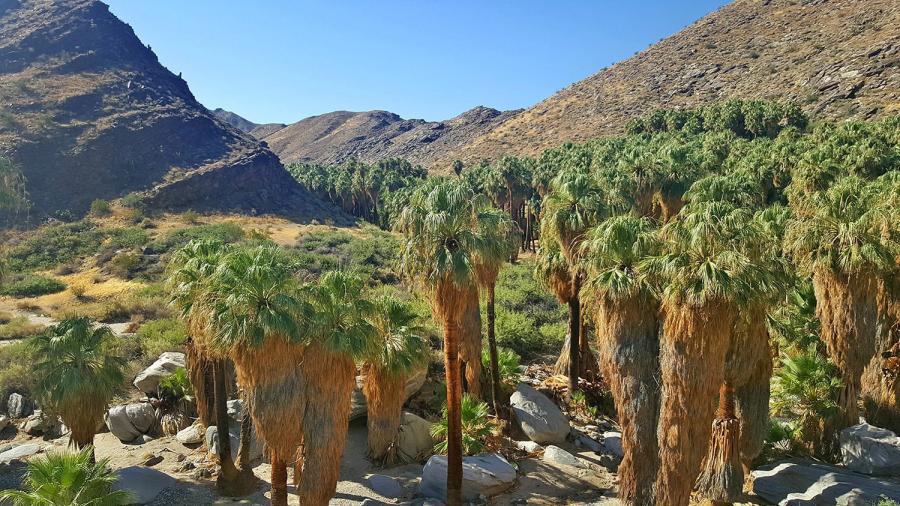
Long before Palm Springs became an internationally recognized resort destination, the lush canyons south of the city were home to the Agua Caliente Band of Cahuilla Indians. Today, Indian Canyons remains one of the region's most spectacular natural attractions, where towering California fan palms, seasonal streams, dramatic rock formations, and miles of hiking trails reveal the Sonoran Desert's remarkable beauty.
Indian Canyons is more than one of Palm Springs' premier hiking destinations—it's a place where breathtaking scenery and thousands of years of living history come together. Every visit offers a chance to experience the desert through the traditions, stories, and stewardship of the Agua Caliente Band of Cahuilla Indians.
Did You Know?
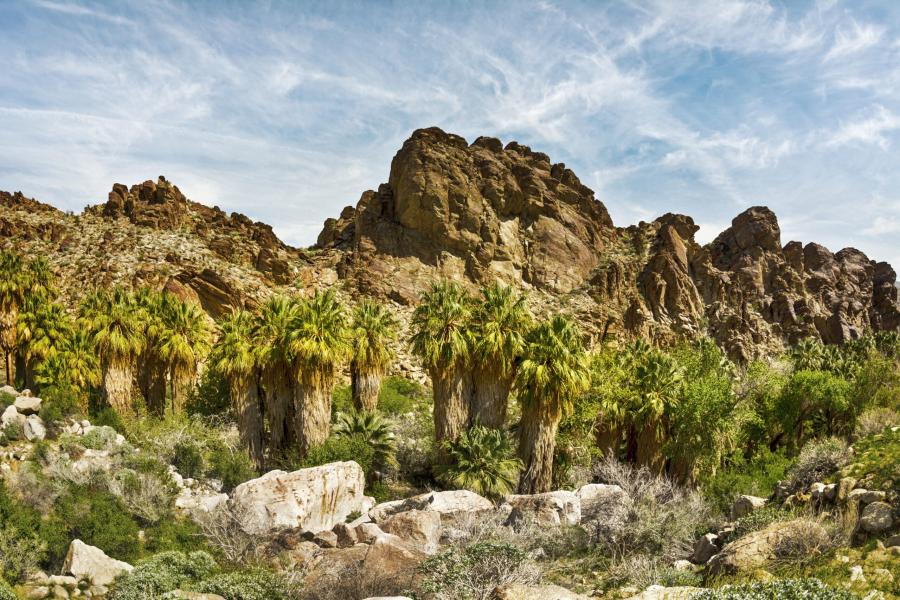
Indian Canyons contains one of the world's largest naturally occurring California fan palm oases. Fed by underground springs originating in the San Jacinto Mountains, these lush groves have sustained life in the desert for thousands of years.
Why Visit Indian Canyons?
Indian Canyons isn't just one canyon—it's a collection of spectacular desert landscapes that each offer something unique.
Visitors come to:
- Walk through one of the world's largest California fan palm oases
- Discover the ancestral homeland of the Agua Caliente Band of Cahuilla Indians
- Hike trails for every experience level
- Photograph dramatic desert scenery
- Spot native wildlife and seasonal wildflowers
- Escape into nature just minutes from downtown Palm Springs
Explore the Three Main Canyons
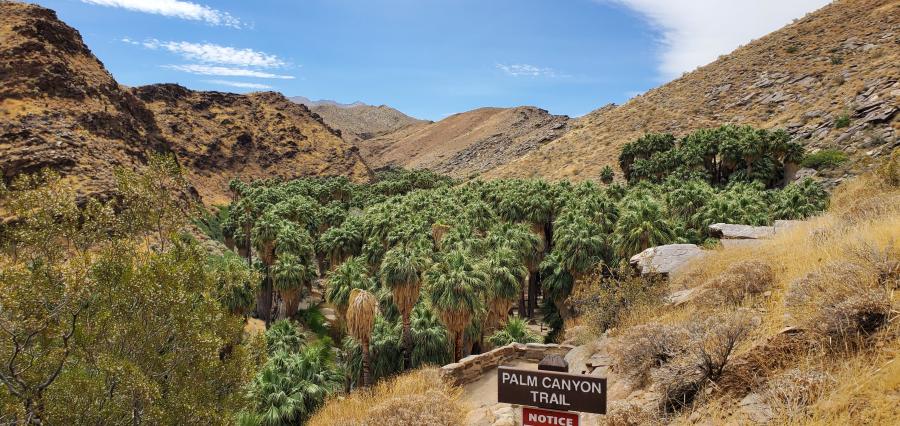
Palm Canyon
Palm Canyon is the crown jewel of Indian Canyons and home to one of the largest natural California fan palm oases anywhere in the world. Towering palms line a seasonal stream while hiking trails wind through breathtaking desert scenery. Whether you choose a short stroll or a longer backcountry hike, Palm Canyon offers one of Palm Springs' signature outdoor experiences.
Best For: First-time visitors • Photography • Scenic hikes
Explore Palm Canyon:
Andreas Canyon
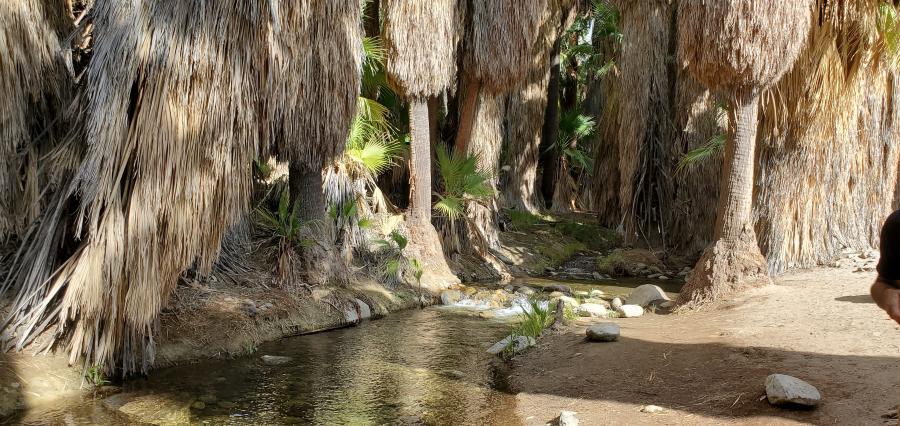
Perfect for beginners and families, Andreas Canyon features an easy one-mile loop trail that follows a peaceful stream beneath towering palm trees and striking rock formations. Interpretive signs along the trail highlight native plants, wildlife, and the rich cultural history of the canyon.
Best For: Easy hikes • Families • Birdwatching
Explore Andreas Canyon:
- Andreas Canyon Hike: Complete Guide to the Lush Oasis in Indian Canyons
- Guide to the Coffman Trail in Murray Canyon
Murray Canyon
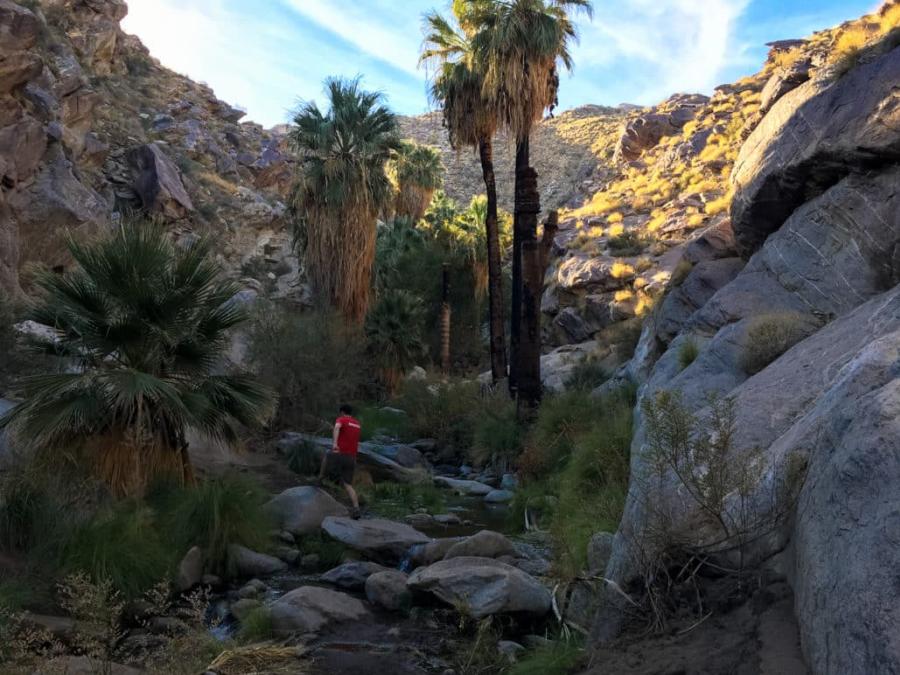
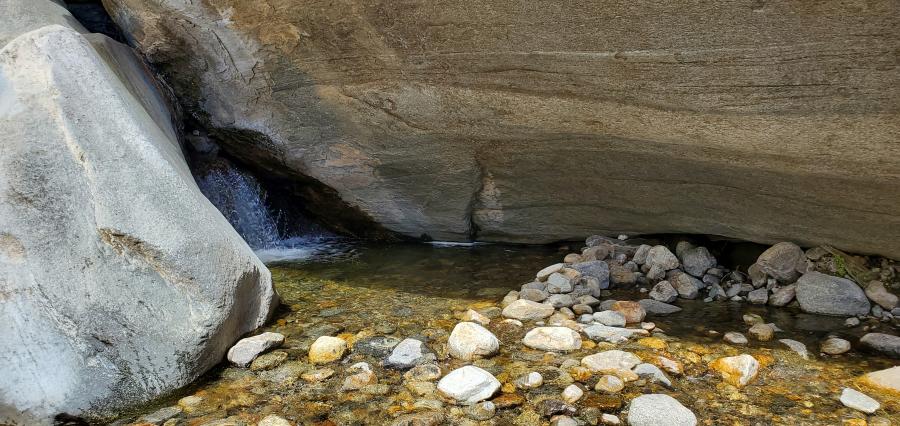
For hikers looking for a longer adventure, Murray Canyon offers a quieter experience with scenic desert landscapes, seasonal streams, native wildlife, and the chance to reach the beautiful Seven Sisters waterfalls after winter rains.
Best For: Moderate hiking • Wildlife • Adventure
Explore Murray Canyon → Guide to the Coffman Trail in Murray Canyon
The Homeland of the Agua Caliente Band of Cahuilla Indians
For countless generations, the Agua Caliente Band of Cahuilla Indians have called this region home. Their villages were sustained by natural springs, seasonal streams, native plants, and the abundant California fan palms that still define the landscape today.
Nearly every part of the oasis served a purpose. Palm fronds were woven into baskets and shelters, mesquite beans were ground into flour, agave was harvested for food, and native plants provided medicine, tools, and materials for everyday life. The canyons were more than places to live—they were central to the tribe's culture, traditions, and identity.
Today, the Agua Caliente Band continues to preserve these sacred lands while welcoming visitors to experience their natural beauty and learn about the enduring history of the Cahuilla people. A visit to Indian Canyons pairs naturally with the nearby Agua Caliente Cultural Museum, where interactive exhibits provide even deeper insight into the tribe's history, culture, and continuing connection to the desert.
Wildlife & Desert Beauty
Indian Canyons is home to a surprising diversity of life.
Keep an eye out for:
- California fan palms
- Desert bighorn sheep
- Gambel's quail
- Roadrunners
- Hummingbirds
- Lizards
- Seasonal wildflowers
- Cottonwood and mesquite trees
Every season offers something different, making Indian Canyons worth visiting throughout the year.
👉 The Waterfalls of Palm Springs Canyons
When Is the Best Time to Visit?
Fall through spring offer the most comfortable hiking temperatures, making it the most popular season to explore.
If visiting during summer:
- Start early in the morning.
- Carry plenty of water.
- Wear sunscreen and a hat.
- Avoid hiking during the hottest part of the day.
The canyons open early, making sunrise one of the most peaceful and photogenic times to visit.
Visitor Tips
Before your visit:
- Wear sturdy walking shoes.
- Bring more water than you think you'll need.
- Stay on marked trails.
- Pack sun protection.
- Respect wildlife and cultural sites.
- Check seasonal hours before visiting.
Frequently Asked Questions
What are Indian Canyons?
Indian Canyons is a protected natural area owned and operated by the Agua Caliente Band of Cahuilla Indians. It includes Palm Canyon, Andreas Canyon, and Murray Canyon, featuring hiking trails, palm oases, streams, and significant cultural sites.
Which Indian Canyon is best?
Each offers a different experience. Palm Canyon is the largest and most iconic, Andreas Canyon is ideal for an easy walk, and Murray Canyon provides a longer, quieter hiking adventure.
How much time should I spend at Indian Canyons?
Allow two to four hours to explore one or two canyons. Hiking enthusiasts can easily spend a full day exploring multiple trails.
Is Indian Canyons good for beginners?
Yes. Andreas Canyon's easy one-mile loop is one of Palm Springs' most popular beginner-friendly hikes, while Palm Canyon also offers shorter walking options.
Is Indian Canyons open year-round?
Yes, although hours vary seasonally, and trails may occasionally close due to weather or maintenance. It's always a good idea to check current conditions before your visit.
Explore More: