

Entry to One of Palm Springs’ Most Sacred Sites
Ancestors of the Agua Caliente people thrived in Tahquitz Canyon. As with the numerous canyons in the valley, they were able to hunt, gather, and utilize the water to thrive in the Palm Springs area. Their village sites date back thousands of years.
For thousands of years, the ancestors of the Agua Caliente Band of Cahuilla Indians lived, traveled, and thrived in these canyons. Reliable water, native plant life, and natural shelter made Tahquitz Canyon an essential part of daily life—and a place woven into oral tradition.
Today, the Tahquitz Canyon Visitor Center serves as the gateway to that story, offering visitors a deeper understanding before they step onto the trail.
The Legend of Tahquitz
Central to the canyon’s identity is the legend of Tahquitz, one of the most powerful figures in Cahuilla cosmology.
Tahquitz was the first shaman created by Mukat, the creator of all things. In the beginning, he used his power for good, serving as a protector and spiritual guide. Over time, however, that power became corrupted. Tahquitz turned against the people, using his abilities destructively.
In response, the Cahuilla people banished him to the canyon that now bears his name.
He is said to dwell in a cave beneath what is now known as Tahquitz Peak, and his presence is still reflected in natural phenomena—thunder, lightning, and sudden winds —that remind visitors this landscape is not just physical but spiritual.
From Open Recreation to Closure (Pre-1969)
For much of the early 20th century, Tahquitz Canyon was widely accessible. Visitors hiked freely, camped, and even rode horseback through the canyon.
- The waterfall appeared in the 1937 film Lost Horizon
- Burro rides to the falls were offered in the 1940s and 1950s
- Local groups like the Desert Riders regularly used the trails
But increased popularity brought unintended consequences—vandalism, environmental damage, and a lack of oversight.
In 1964, the Agua Caliente Tribal Council, including Tribal Council member Eileen Miguel, explored leasing the canyon to the city to better manage and protect it. The proposal was never finalized, and public access continued.
1969: A Turning Point
Everything changed in 1969.
During Easter weekend, more than 10,000 young visitors descended on Palm Springs amid the counterculture movement. A large gathering—often described as a “Year of Love” event—spilled into Tahquitz Canyon.
- An estimated 3,500 people camped in the canyon
- Fires, litter, and environmental damage spread rapidly
- Law enforcement ultimately cleared the area
That same year, Jim Morrison filmed scenes for HWY: An American Pastoral in the canyon—further cementing its place in pop culture history.
In response to the damage and ongoing trespassing, the Agua Caliente Band of Cahuilla Indians closed the canyon entirely.
For the next three decades, access was restricted. Trespassers faced fines or arrest, and the canyon—despite its proximity to downtown—remained largely off-limits.
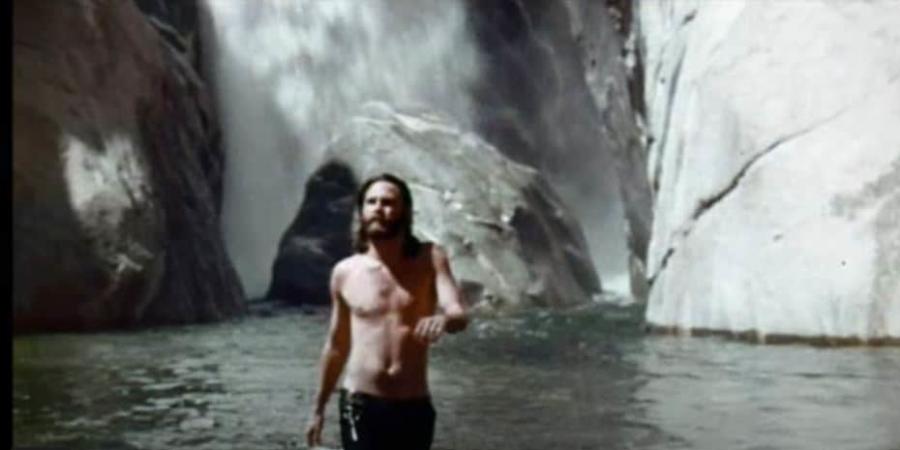
The Doors - Jim Morrison at Tahquitz Waterfall
Restoration & Reopening Efforts (1997–2001)
By the late 1990s, the Tribe began to reconsider how to balance public access with long-term preservation.
In 1997, a major cleanup effort began:
- Removal of debris and clean up of environmental damage
- Stabilizing trails and restoring habitat
- Preparing the canyon for controlled access
The goal was not simply to reopen, but to do so on the Tribe’s terms, with education, protection, and cultural interpretation at the forefront.
Designing the Visitor Center
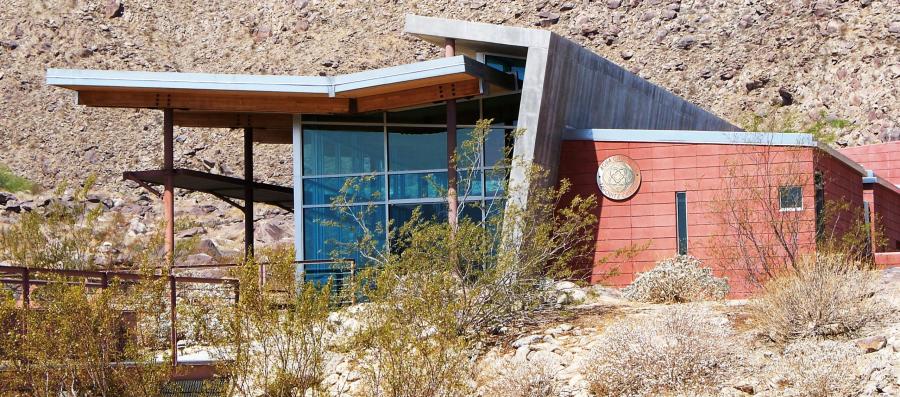
To achieve this vision, the Tribe commissioned architect Lance O'Donnell in 1999.
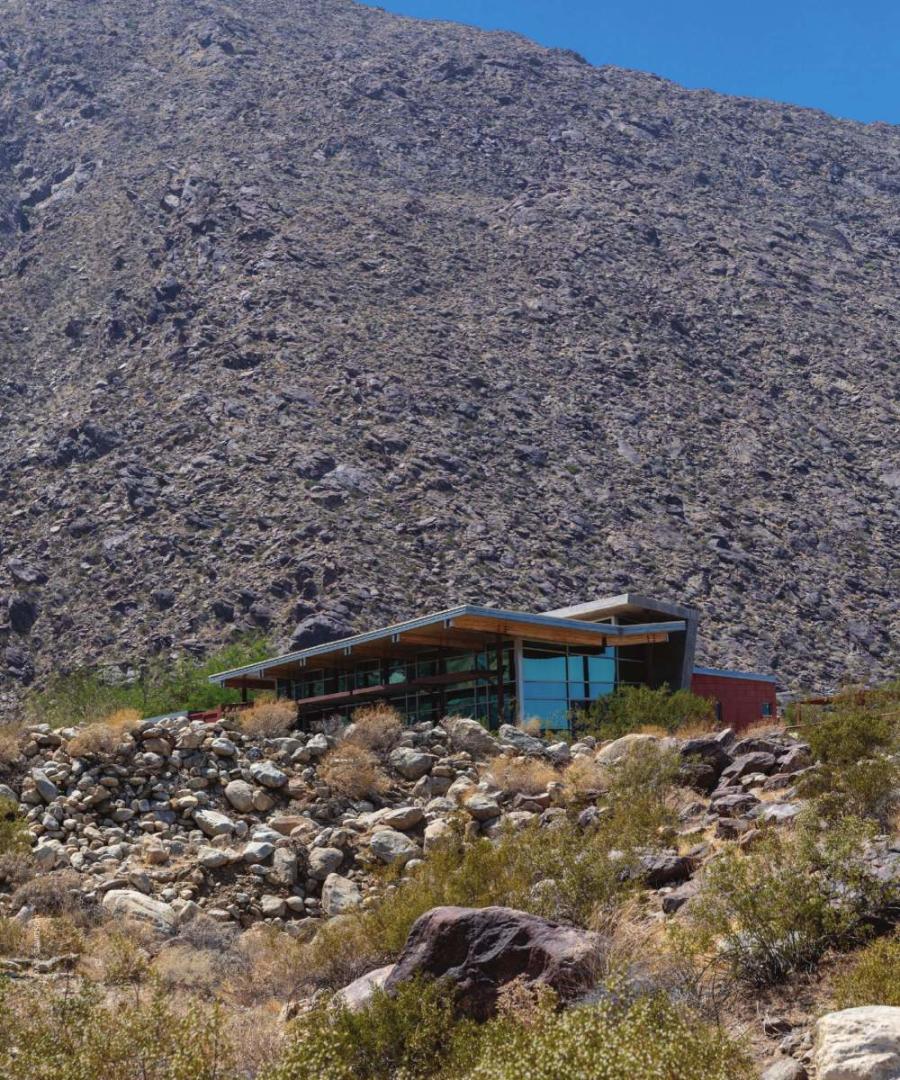
With no existing infrastructure—no road, utilities, or designated site—O’Donnell approached the project with a philosophy rooted in minimal impact and environmental harmony.
The resulting design reflects several key ideas:
- Placement at the canyon’s edge to preserve the interior landscape
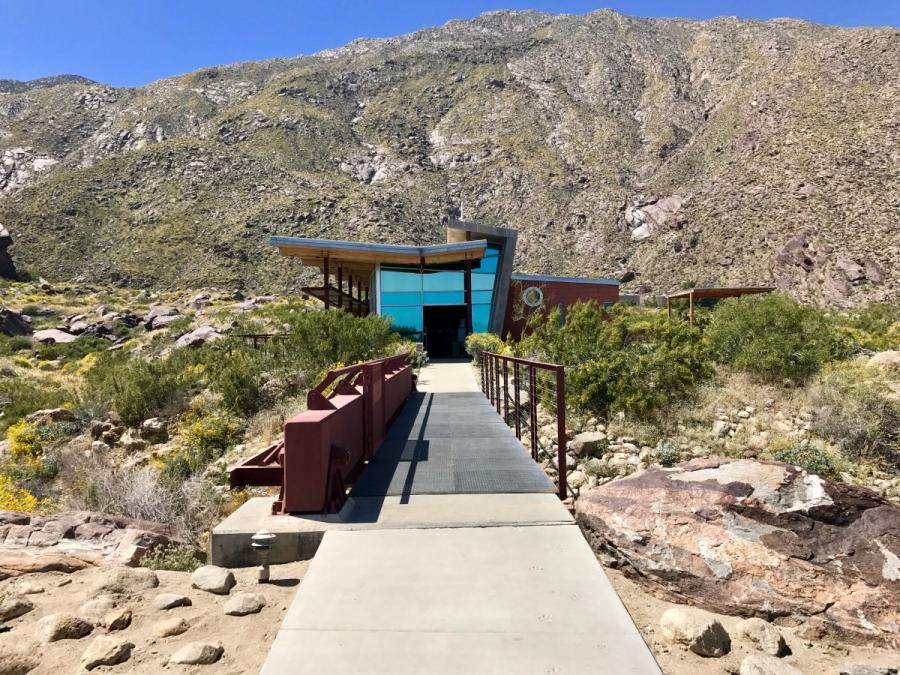
- A bridge entry sequence that creates anticipation and transition
- Use of concrete, steel, and glass to balance durability with modernist aesthetics
- Earth tones and scale that blend into the surrounding terrain
At approximately 2,500 square feet, the building acts less like a structure and more like an observation point within the landscape, a subtle but intentional threshold between city and canyon.
Opening of the Visitor Center (2001)
When the Tahquitz Canyon Visitor Center opened in 2001, it marked a new chapter.
For the first time, visitors were invited back—not just to explore, but to learn first.
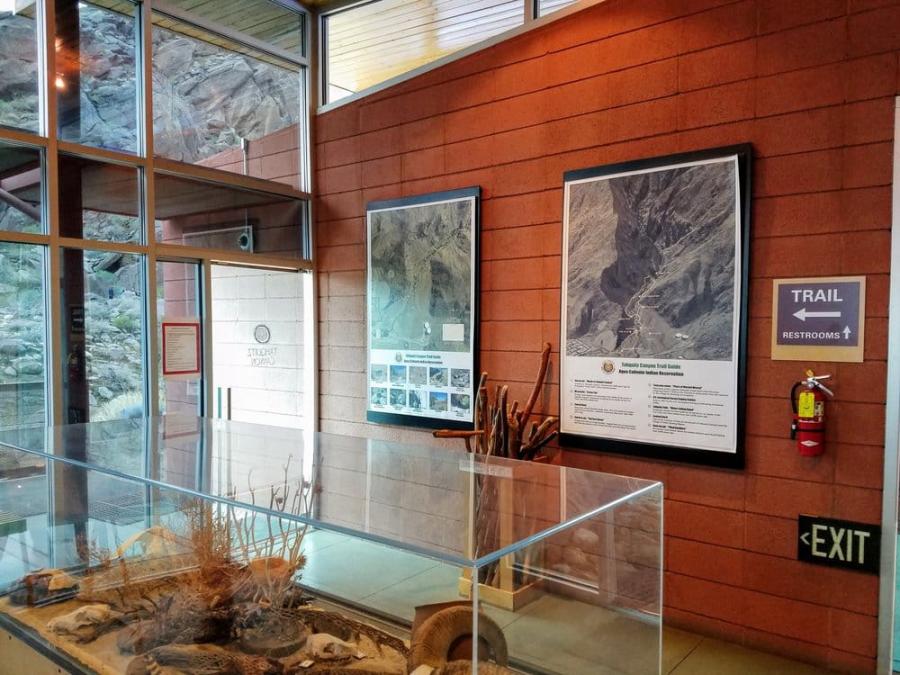
Inside, the center offers:
- Cultural exhibits on Cahuilla life and traditions
- Artifacts, photographs, and interpretive displays
- A short film explaining the canyon’s history and meaning
- Knowledgeable staff sharing firsthand cultural insights
Importantly, access now comes with clearly defined rules:
- No pets, fires, smoking, alcohol, drones, or amplified music
- No lingering after dark
- Respect for the land and its cultural significance
These guidelines reflect a shift from open recreation to stewardship and respect.
Guided Hikes & Visitor Experience
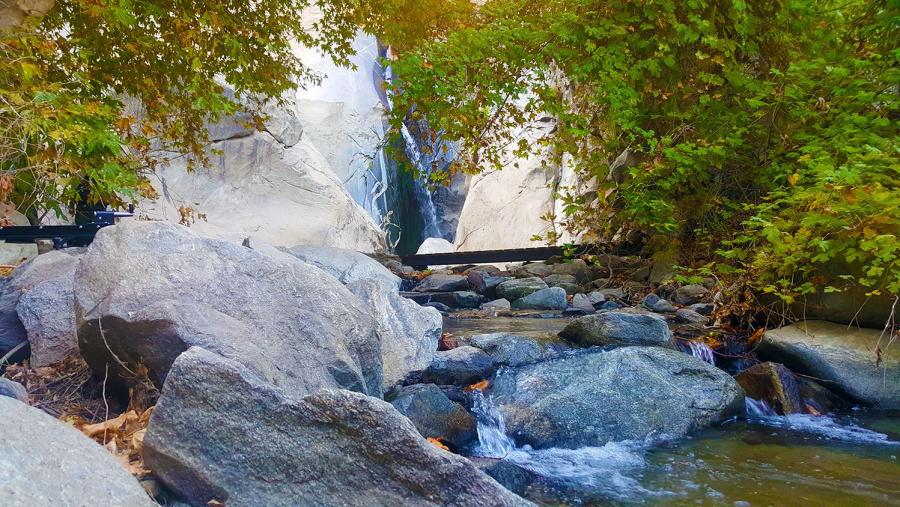
Visitors can explore the canyon via a 2-mile loop trail leading to the seasonal 60-foot waterfall.
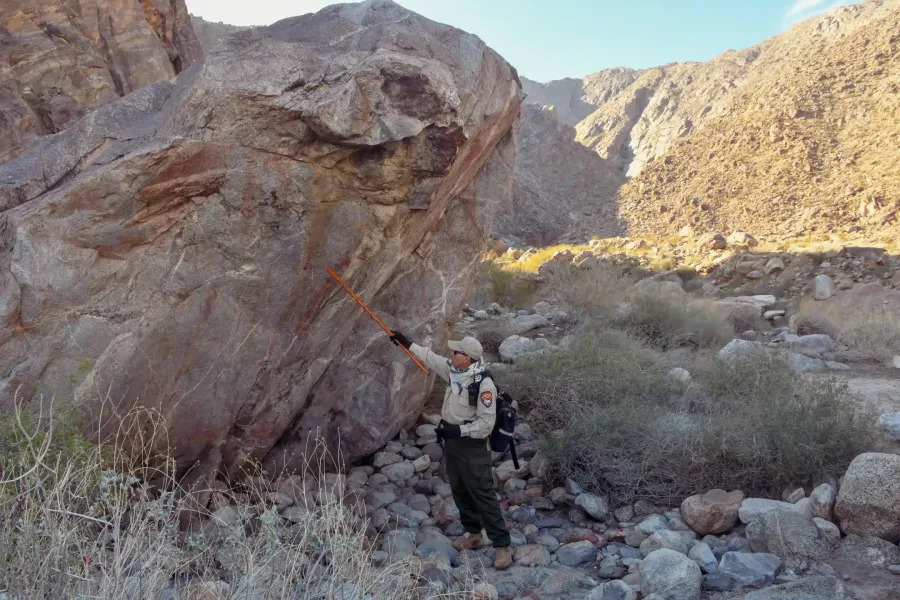
Guided hikes—included with admission—offer deeper insight into:
- Native plant life and traditional uses
- Wildlife and desert ecology
- Geological formations
- Cultural history and oral traditions
The experience is designed to be both educational and immersive, reinforcing the canyon’s role as a living cultural landscape.
National Register of Historical Places: Tahquitz Canyon, along with Indian Canyons, is listed on the National Register of Historic Places.
Architectural Legacy of Lance O’Donnell
The visitor center is part of a broader body of work by Lance O'Donnell, who has contributed significantly to modern architecture in Palm Springs.
Notable projects include:
- Palm Springs Visitor Center – Adaptive reuse of Albert Frey’s 1963 tramway gas station
- Orbit In – Restoration of a midcentury boutique hotel in the Tennis Club neighborhood.
His work reflects a consistent philosophy: honor the past while designing for modern use, particularly within Palm Springs’ iconic architectural landscape.
Why Tahquitz Canyon Still Matters
Tahquitz Canyon is more than a scenic destination—it represents:
- Thousands of years of Indigenous history
- A powerful example of cultural preservation
- A shift toward respectful, managed tourism
- A rare natural space within an urban setting
For visitors, the experience begins not on the trail—but at the visitor center, where the story of the canyon is shared on the Tribe’s terms.
Related Reading
- The Waterfalls of Palm Springs Canyons
- Tahquitz Canyon
- Indian Canyons Trails Guide
- Discover Tahquitz Canyon
- Guide to Indian Canyons
- Featured Attractions
- Trails & Hiking
- Nature & Outdoors Guide
- Visit Native Palm Springs
Tahquitz Canyon Visitor Center FAQs
Where is the Tahquitz Canyon Visitor Center located?
The Tahquitz Canyon Visitor Center is located just south of downtown at 500 W Mesquite Ave. It serves as the official entry point to Tahquitz Canyon.
How much does it cost to visit Tahquitz Canyon?
There is an admission fee to enter Tahquitz Canyon, which supports preservation efforts by the Agua Caliente Band of Cahuilla Indians. Pricing varies by age, and guided hikes are included with admission.
How long is the hike in Tahquitz Canyon?
The main trail is about 2 miles round trip and typically takes 1.5 to 2 hours to complete, depending on your pace and how often you stop to take in the scenery. Times vary by season.
Are guided hikes available at Tahquitz Canyon?
Yes, guided hikes are offered daily and are included with paid admission. These 2.5-hour hikes provide deeper insight into the canyon’s history, geology, and cultural significance.
What is special about Tahquitz Canyon?
Tahquitz Canyon is known for its deep cultural significance to the Agua Caliente Band of Cahuilla Indians, its rugged desert beauty, and a seasonal 60-foot waterfall along the trail.
What are the rules for visiting Tahquitz Canyon?
To protect this sacred and natural space, visitors must follow strict rules. No pets, smoking, alcohol, drones, fires, or loud music are allowed. Guests must stay on designated trails and respect all cultural sites.
When is the best time to visit Tahquitz Canyon?
Morning is the best time to visit, especially during warmer months. Waterfall flow is typically strongest in spring after seasonal rains.
Is Tahquitz Canyon suitable for all skill levels?
The trail is considered moderately strenuous due to elevation gain and uneven terrain. Visitors should wear sturdy footwear, bring water, and be prepared for desert conditions.