

How the Film Industry Transformed a Desert Retreat into a Global Icon
By the early 20th century, Palm Springs was already emerging as a place of rest and recovery. Visitors came for its dry climate, open space, and the hospitality of early pioneers like Nellie Coffman, whose Desert Inn helped establish the village as a winter refuge.
But it was not until Hollywood arrived in the 1930s that Palm Springs’ trajectory changed permanently.
What followed was a period now remembered as the city’s Golden Age—when movie stars, studio culture, and the rhythms of the film industry reshaped a quiet desert settlement into one of the most glamorous destinations in the world.
Proximity and Escape: The Studio Era
Palm Springs’ relationship with Hollywood was rooted in geography as much as glamour.
Located just over 100 miles from Los Angeles, the city offered a rare balance: distance from the pressures of the studio system, yet close enough to remain accessible. During the height of the studio era, actors under contract were widely believed to be required to stay within a two-hour radius of their studios.
Whether formal policy or industry practice, the effect was the same—Palm Springs became the ideal escape.
Here, actors and filmmakers could retreat between productions, enjoying a degree of freedom not easily found in Los Angeles. The desert offered privacy, discretion, and a slower pace of life.
The Arrival of Hollywood’s Elite
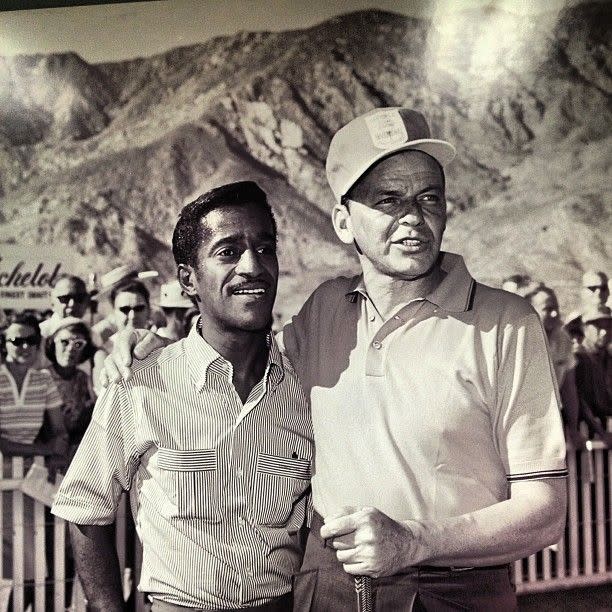
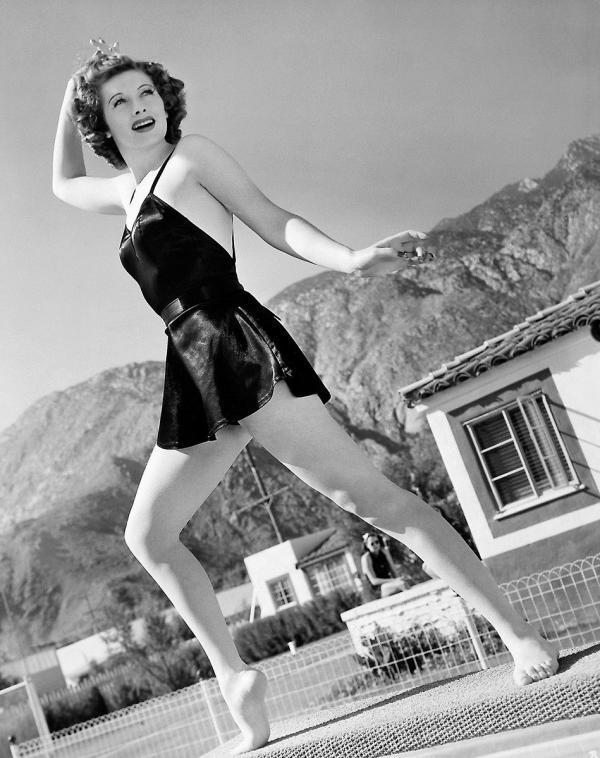
By the mid‑1930s, Palm Springs had become the unofficial playground of Hollywood’s elite. Some of the most iconic names of the era made the desert their second home:
- Frank Sinatra — whose Twin Palms estate became legendary and whose presence would come to define the city's image
- Lucille Ball & Desi Arnaz — regulars who helped shape the city’s social scene
- Marilyn Monroe — often photographed around town, and was discovered in Palm Springs
- Cary Grant — who owned a home where he loved the privacy
- Bob Hope — whose hillside home became a Palm Springs landmark
- Gene Autry — who later owned the Gene Autry Hotel (now the Parker Palm Springs)
Their presence transformed Palm Springs from a quiet resort town into a glamorous destination known around the world.
Leisure and Lifestyle in the Desert
By the 1940s and 1950s, Palm Springs had developed a distinctive social rhythm shaped by its Hollywood clientele.
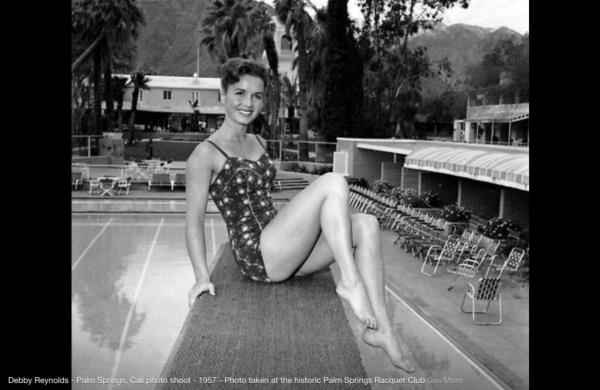
Days revolved around outdoor living—poolside gatherings, golf, and tennis—while evenings brought cocktail hours and private parties that often extended late into the night.
The city’s style began to coalesce during this period. Lightweight fashion, bold prints, sunglasses, and an emphasis on informality reflected both the desert climate and a broader cultural shift toward leisure.
Palm Springs was not simply a place to visit; it was a way of living.
Architecture and the Modern Image
Hollywood’s influence extended beyond lifestyle into the built environment.
As stars commissioned homes in Palm Springs, they turned to a new generation of architects who were redefining residential design. Figures such as Albert Frey, E. Stewart Williams, Donald Wexler, and William Krisel created residences that reflected both modernist ideals and the realities of desert living.
The collaboration between Hollywood clients and modernist architects proved transformative. Homes featured open plans, expansive glass walls, and seamless transitions between interior and exterior space.
In this way, the Golden Age of Hollywood in Palm Springs directly contributed to the rise of midcentury modernism, an architectural movement that would come to define the city.
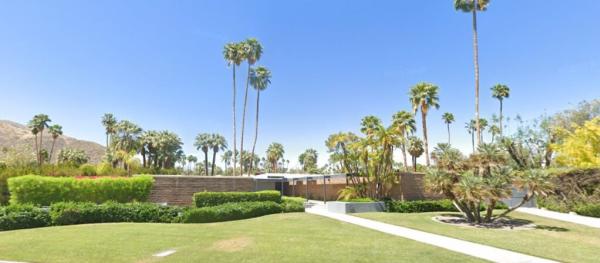
Dinah Shore Estate
A Social Landscape of Visibility and Discretion
Despite its glamour, Palm Springs during this era remained a place shaped by dualities.
It was both highly visible and carefully private. Celebrities could be seen at tennis clubs or dining in public, yet still retreat behind walls and hedges that shielded their personal lives.
This balance made Palm Springs unique. It offered a degree of openness without sacrificing discretion, a quality that appealed not only to Hollywood stars but to a broader range of visitors seeking the same freedom.
Enduring Influence
By the 1960s, Palm Springs had firmly established itself as a cultural extension of Hollywood.
The imprint of this era remains visible today:
- Midcentury homes and neighborhoods
- Boutique hotels rooted in early hospitality traditions
- A continuing emphasis on leisure and outdoor living
- Cultural events and festivals tied to film and design, like the Palm Springs International Film Festival
- A lasting association with celebrity and style
The Golden Age did not simply bring attention to Palm Springs—it defined its identity.
📍 Plan Your Visit
Experience Hollywood history:
- Palm Springs Stars' Homes: Self-Guided Tour
- The Movie Colony Neighborhood Self-Walking Tour
- Palm Springs Walk of Stars
Guided walking tours offered by organizations like the Palm Springs Historical Society provide additional context into the people and places that defined this era.
Related Historic Stories
- Hollywood and Palm Springs: A Star-Studded History
- Welwood Murray: The Man Who Built Palm Springs’ First Hotel
- Early Palm Springs Pioneers: John Guthrie McCallum
- Palm Springs History
- The Birth of Midcentury Modernism in Palm Springs
- Palm Springs LGBTQ+ History
- The Early Resort Era: How Palm Springs Became a Desert Retreat (1900–1930)