

Palm Springs offers unforgettable experiences—from dramatic mountain views and sacred desert oases to world-class art, architecture, and living history. Whether you’re soaring above the desert floor, wandering palm-lined canyons, or exploring iconic modernist neighborhoods, Palm Springs offers attractions that are as meaningful as they are memorable.
What makes Palm Springs truly special is the way nature, culture, and history intersect—from the ancestral lands of the Agua Caliente Band of Cahuilla Indians to the city’s global reputation as a midcentury modern design capital. These are the most popular Palm Springs attractions you won’t want to miss.
Palm Springs Aerial Tramway
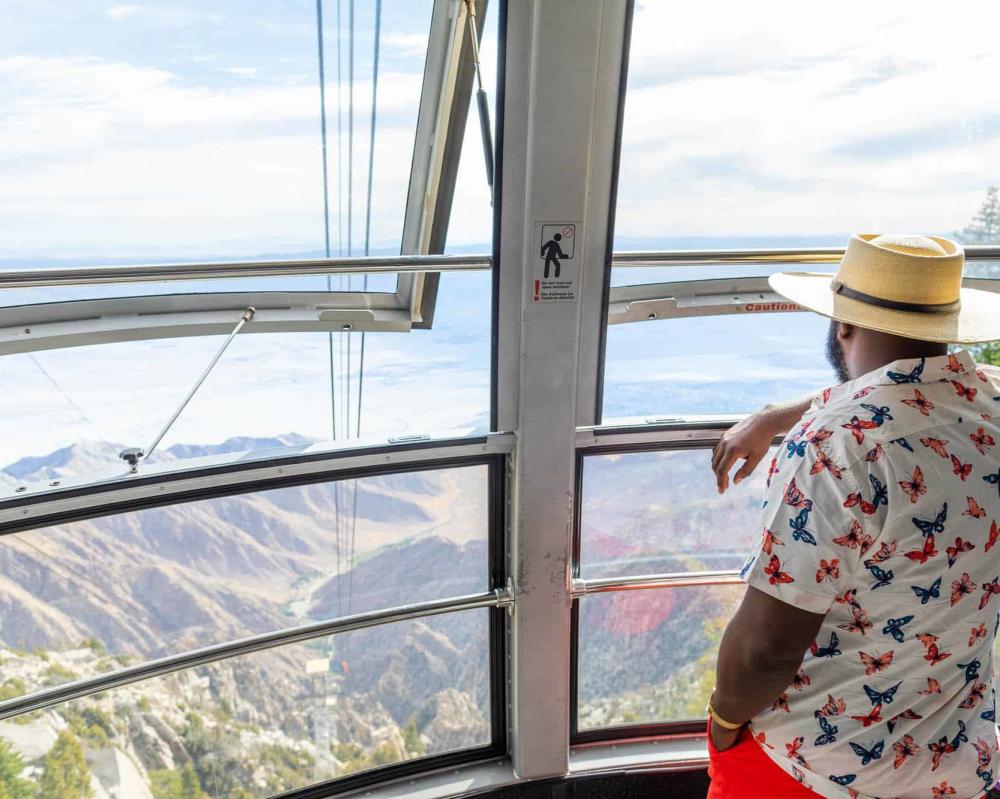
Few experiences capture the spirit of Palm Springs quite like the Palm Springs Aerial Tramway. As the largest rotating tram car in the world, this high-flying adventure offers an unforgettable journey from the sun-drenched desert floor to the cool alpine forest - all in under 10 minutes.
Your adventure begins at the Valley Station and offers bird’s-eye views of Chino Canyon. As the tram gently rotates during the ascent, you'll be treated to 360-degree panoramic views of the rugged canyon below and the Coachella Valley stretching into the distance. Hop off at the Mountain Station, part of the Mount San Jacinto State Park, landing at an elevation of 8,516 feet and a temperature ~30 degrees cooler than the desert below.
Things to do at the top:
- Explore more than 50 miles of hiking trails
- Visit the natural history museum, which showcases the area's unique geology, wildlife, and Indigenous heritage.
- Grab a meal or a drink with a view at Peaks Restaurant, known for its fine dining and floor-to-ceiling windows, or a casual bite at Pines Café.
This is one of the most popular attractions in Palm Springs for first-time visitors and repeat travelers alike.
Get the Ultimate Guide to the Palm Springs Aerial Tramway.
Indigenous History & Agua Caliente Cultural Plaza
Long before Palm Springs became a resort destination, this land was home to the Agua Caliente Band of Cahuilla Indians, whose history in the region spans thousands of years. The Tribe’s connection to the area’s natural hot mineral springs—known as Séc-he—is foundational to Palm Springs’ identity.
Today, visitors can experience this living history at the Agua Caliente Cultural Plaza in downtown Palm Springs, considered one of the city’s most important cultural attractions.
Highlights include:
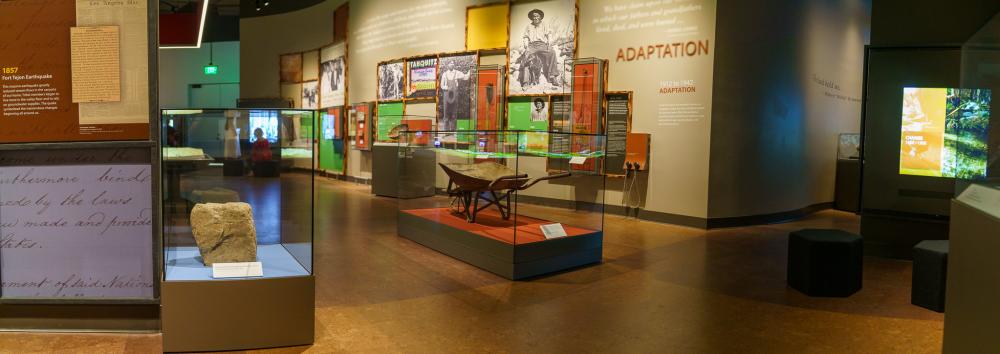
- Agua Caliente Cultural Museum – Interactive exhibits exploring Cahuilla history, language, traditions, and contemporary Tribal life
- The Spa at Séc-he – A modern wellness destination centered around sacred hot mineral springs
- Outdoor gathering spaces and interpretive trails that connect water, landscape, and culture
This attraction provides essential context for understanding Palm Springs—past, present, and future.
Learn more about the Agua Caliente Hot Mineral Springs and its history.
Midcentury Modern Architecture Tours & Landmarks
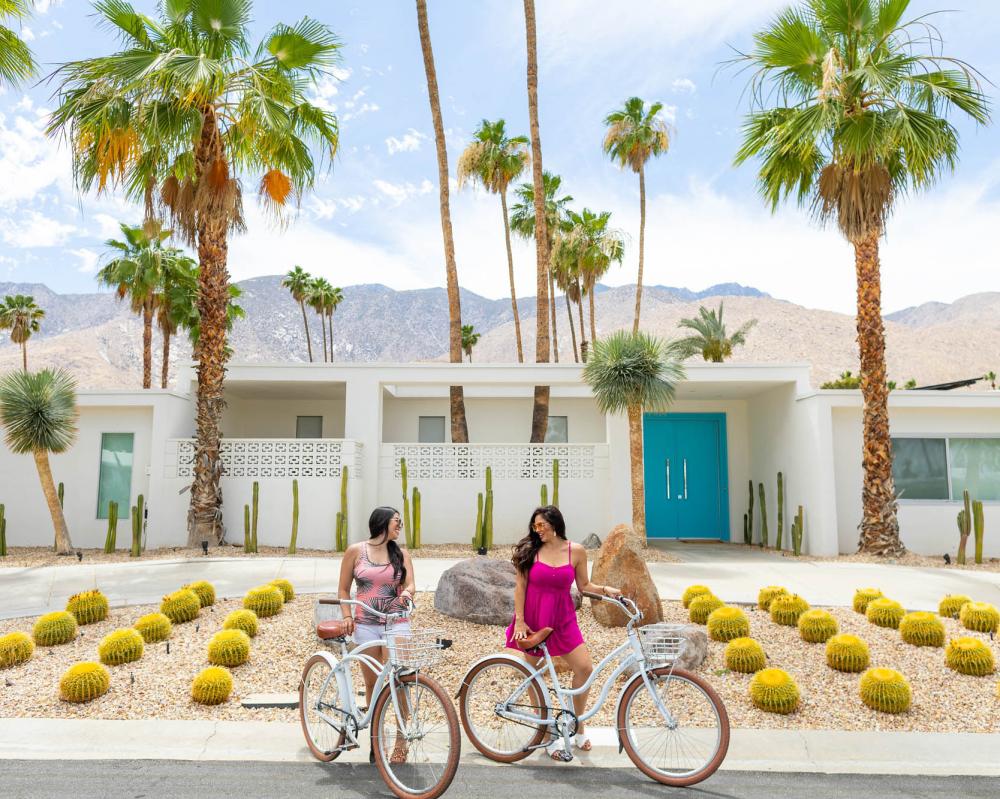
Palm Springs isn’t just known for midcentury modern architecture—it’s one of the best places in the world to experience it. Here, architecture serves as a major draw, with entire neighborhoods functioning as an open-air museum of desert modernism.
Visionary architects such as Charles Du Bois, Howard Lapham, and Hugh Kaptur, among others, transformed Palm Springs into an international design destination, creating homes and civic buildings that embrace clean lines, indoor-outdoor living, and harmony with the desert environment.
How to experience Palm Springs architecture:
- Take a guided architecture tour led by local experts
- Take a self-guided midcentury architecture tour
- Drive, bike, or walk through neighborhoods such as the Historic Tennis Club neighborhood or Deepwell Estates
Palm Springs Historical Society & Museum
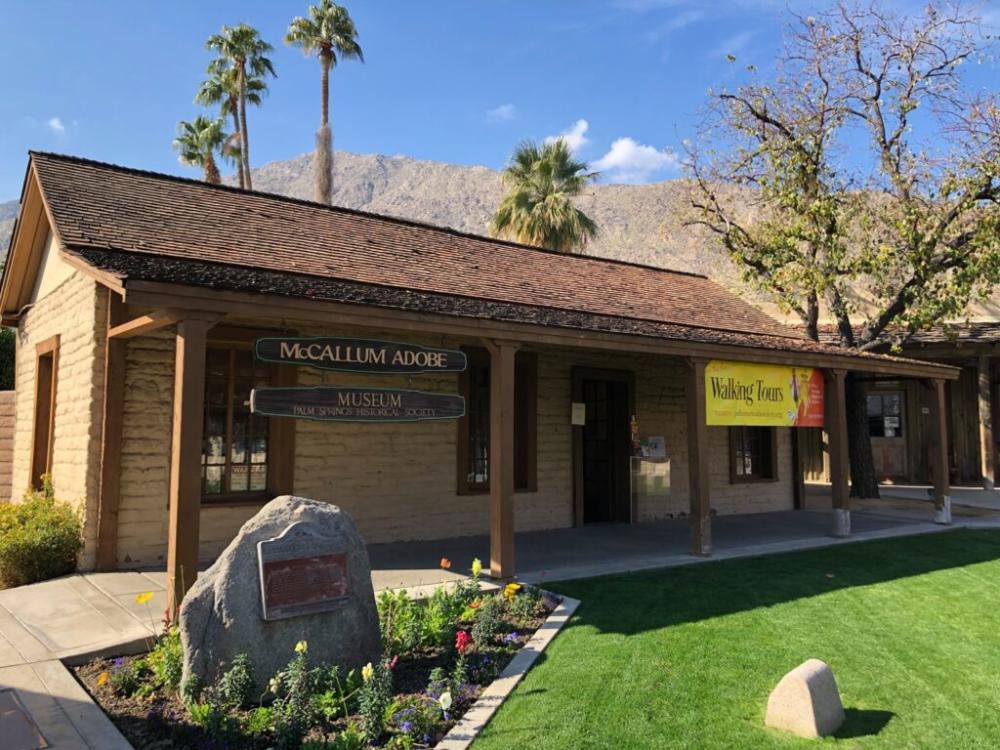
For a deeper understanding of how Palm Springs evolved, the Palm Springs Historical Society offers a fascinating look at the city’s layered past. Located at the historic McCallum Adobe, this museum preserves stories from early Cahuilla life through Palm Springs’ transformation into a modern desert destination.
Exhibits explore:
- Early settlement and tourism
- Hollywood’s influence on Palm Springs
- The rise of modern architecture and resort culture
It’s an ideal stop for travelers who want context to accompany the city’s iconic sights. They also offer walking and biking tours.
Palm Springs Art Museum
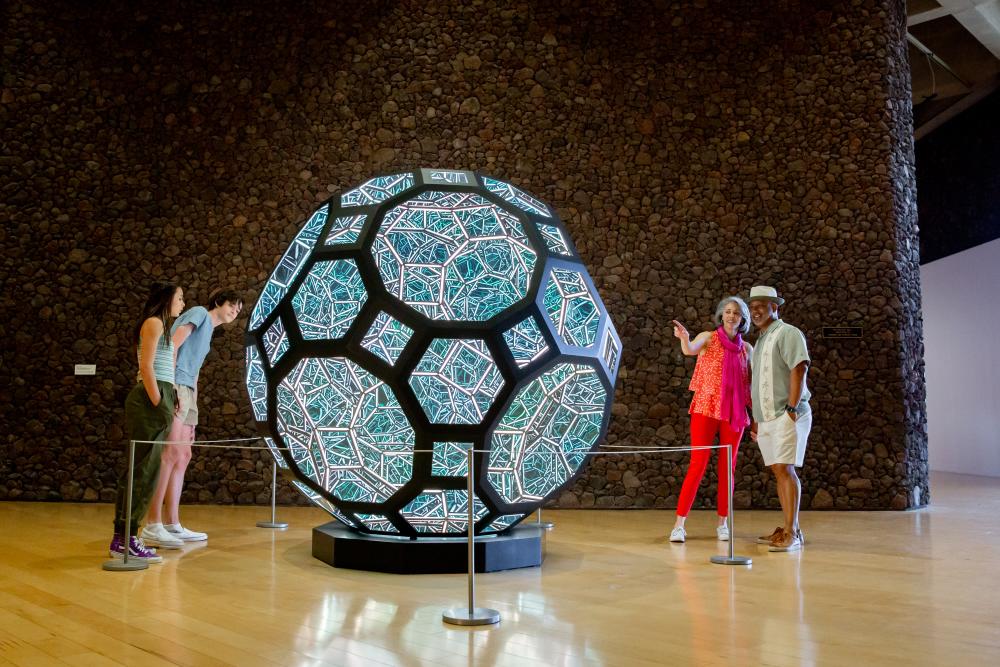
The Palm Springs Art Museum is a cornerstone of the city’s cultural scene, offering an impressive collection of art, architecture, and design across multiple galleries.
Take your time observing the thoughtfully curated collections across 28 galleries showcasing an eclectic mix of treasures.
- Fine art photography from groundbreaking artists who redefine the lens.
- Native American art that reflects centuries of tradition, symbolism, and storytelling.
- Ancient textiles and ceremonial pieces from cultures around the world.
- A permanent collection featuring more than 3,000 sculptures, paintings, and prints, including works by notable names such as Andy Warhol, Helen Frankenthaler, and Henry Moore.
The museum also hosts lectures, performances, workshops, and family-friendly events throughout the year, making it a dynamic cultural attraction worth lingering in.
Get the Palm Springs Art Museum Guide.
Indian Canyons
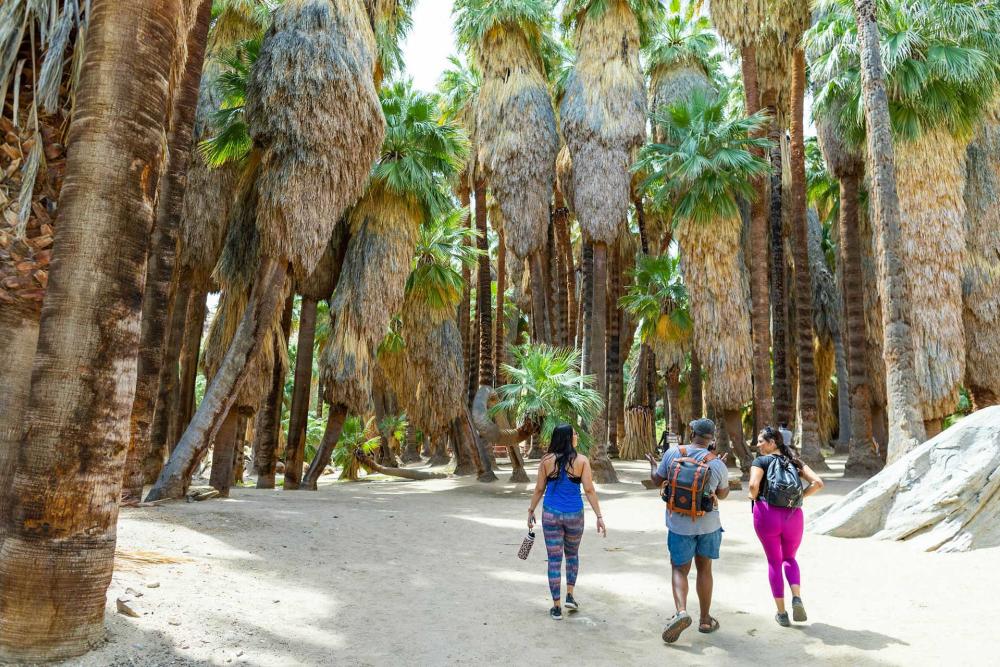
Just minutes from downtown Palm Springs lies one of the region's most breathtaking and culturally significant natural escapes, the Indian Canyons. Comprising Palm, Andreas, and Murray, this trio of scenic canyons within the reservation lands of the Agua Caliente Band of Cahuilla Indians is serene and majestic. As you explore the trails, you're not just walking through nature; you're walking through history. Ancient rock art, remnants of early irrigation systems, and native plant species provide a powerful glimpse into the sustainable lifestyle and spiritual traditions of the Cahuilla people.
Each canyon has its distinct charm:
- Palm Canyon is home to one of the largest natural palm oases in North America. Towering California fan palms line the canyon floor, creating a cool, shaded pathway that winds alongside a seasonal stream.
- Andreas Canyon offers a shorter, more intimate hike, but don’t let the length fool you; this lush, narrow canyon is packed with over 150 species of plants, dramatic rock formations, and the soothing sound of water trickling along the trail.
- Murray Canyon is a bit more rugged and adventurous, with trails that lead to seasonal waterfalls and potential sightings of local wildlife, such as bighorn sheep and mule deer.
Visitors are encouraged to learn about the cultural significance of the canyons while respecting the land as a sacred and protected space. Informational signs and guided tours help bring the history of the Cahuilla people to life, creating a deeper connection between the land and its legacy.
Palm Springs Air Museum
Located adjacent to the Palm Springs International Airport, the Palm Springs Air Museum stands as a premier destination for aviation enthusiasts and history buffs alike. Established in 1996, this nonprofit museum houses one of the world's largest collections of flyable military aircraft, spanning World War II to the War on Terror. With over 75 aircraft and five expansive, air-conditioned hangars, the museum offers an immersive experience that brings aviation history to life.
Highlights include the B-17 “Miss Angela,” Pacific and European Theater exhibits, and interactive flight simulators, making this a must-see attraction for history buffs and families.
You can take to the skies on an unforgettable warbird experience.

Moorten Botanical Garden and Cactarium
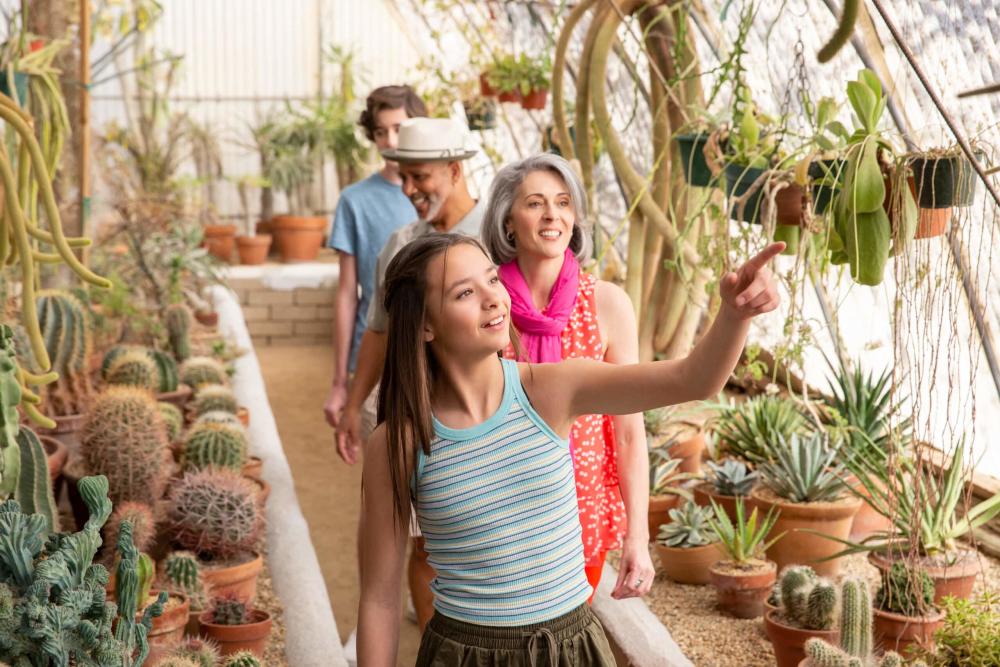
Moorten Botanical Garden is a hidden gem that offers a peaceful and inspiring escape into the world of desert plants. This charming one-acre oasis is home to over 3,000 species of desert flora sourced from arid regions around the globe, including Africa, the Americas, and the Middle East.
Established in 1938 by Patricia and Chester "Cactus Slim" Moorten, a former Hollywood stuntman turned horticulturist, the garden is as rich in character as it is in plant life. Today, it remains a family-run treasure under the care of their son, Clark Moorten, who continues the legacy of conservation, education, and storytelling that has defined the garden for generations.
VillageFest on Palm Canyon Drive
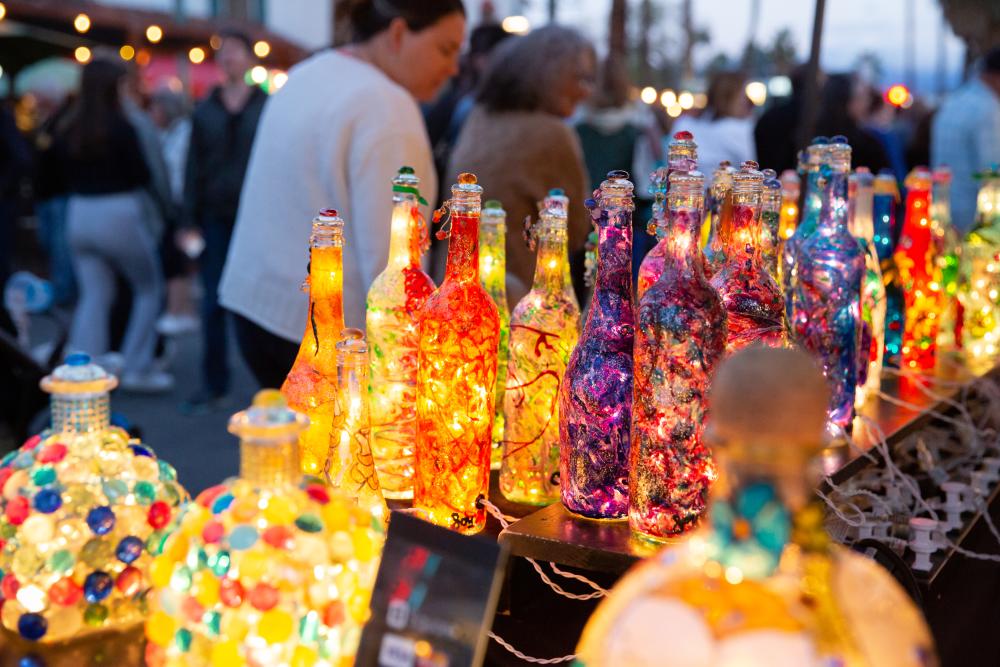
Every Thursday evening, Palm Canyon Drive transforms into VillageFest, a lively and colorful open-air street market that brings the entire community together under the desert stars. The palm-lined stretch of Palm Canyon is closed to vehicle traffic, turning it into a pedestrian paradise filled with lights, laughter, and the delicious scent of street food.
Visitors can browse handmade crafts, sample street food, enjoy live entertainment, and experience Palm Springs at its most social and vibrant.
Hours:
October - May, 6 - 10 pm
June - Sept., 7 - 10 pm
FAQ: Palm Springs Attractions
What is the best cultural attraction in Palm Springs?
The Agua Caliente Cultural Plaza is one of Palm Springs' most important cultural attractions, highlighting the history, traditions, and living culture of the Agua Caliente Band of Cahuilla Indians.
Is Palm Springs known for its architecture?
Yes. Palm Springs is internationally recognized for its concentration of midcentury modern architecture, with entire neighborhoods and public buildings designed by influential modernist architects.
Are the Indian Canyons located on tribal land?
Yes. Indian Canyons are located on the reservation lands of the Agua Caliente Band of Cahuilla Indians and are considered culturally and environmentally significant.