A Journey Into the Heart of the Indian Canyons
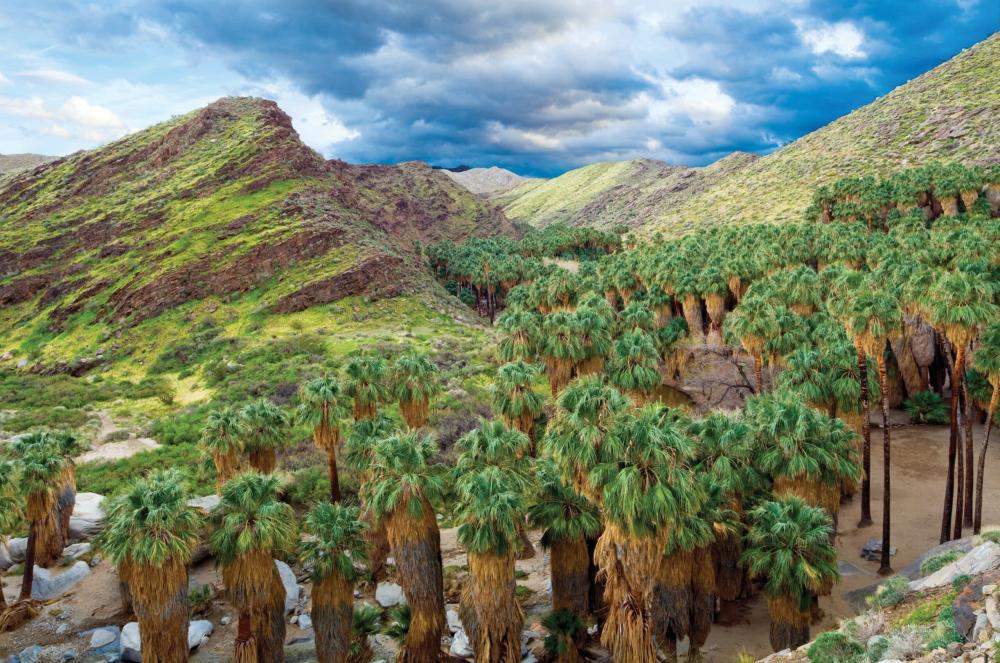
Few places in the American desert feel as unexpectedly lush as Palm Canyon. Just minutes from downtown Palm Springs, this remarkable oasis is home to the world’s largest natural stand of Washingtonia filifera, the only palm species native to the western United States.
The history of the Cahuilla Indians is interwoven with the desert fan palm. Filifera means “thread-bearing,” and Washingtonia is a nod to the first president, George Washington.
Towering between 50 and 65 feet tall, these iconic desert fan palms thrive where water flows beneath the surface—quietly revealing life in a landscape that might otherwise seem inhospitable.
The Desert Fan Palm: Nature’s Signal of Water
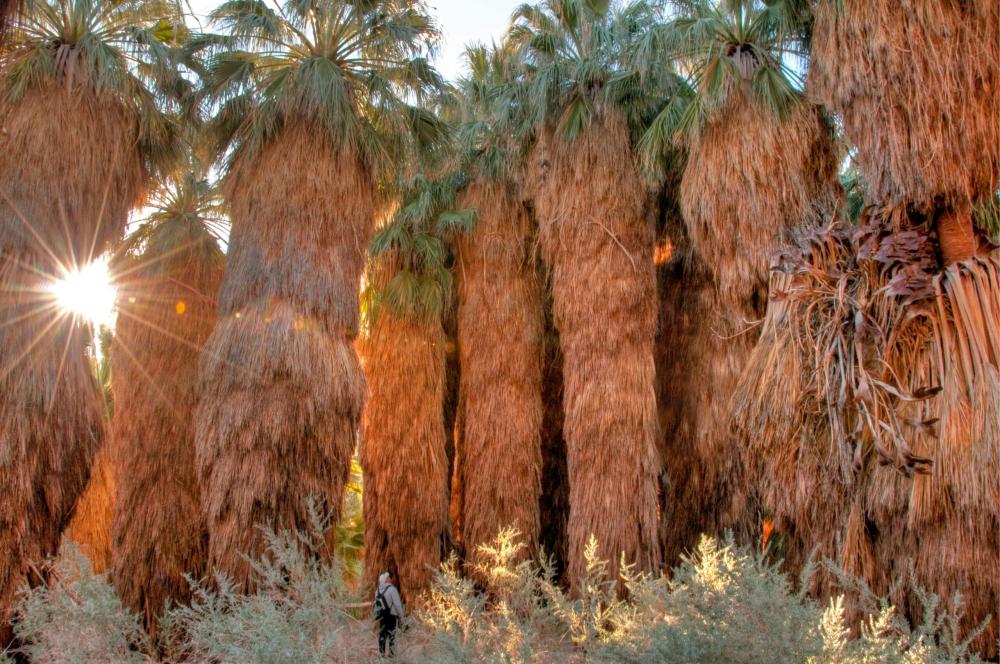
The California fan palm, also known as the desert fan palm, has long served as a natural guide in the arid Southwest. Where these palms grow, water is never far away.
Unlike taller, slender imported palms, Washingtonia filifera is stout and textured, often wrapped in a shaggy “skirt” of dried fronds. This natural cloak plays a surprising role in the ecosystem:
- It protects the trunk from extreme desert heat
- It provides shelter for birds and insects
- It helps the tree survive wildfires
Fire, in fact, is part of the palm’s life cycle. It clears away old growth, removes pests, and allows sunlight to reach the canyon floor—encouraging a new generation of palms to take root.
The Cahuilla and the Palm Oasis
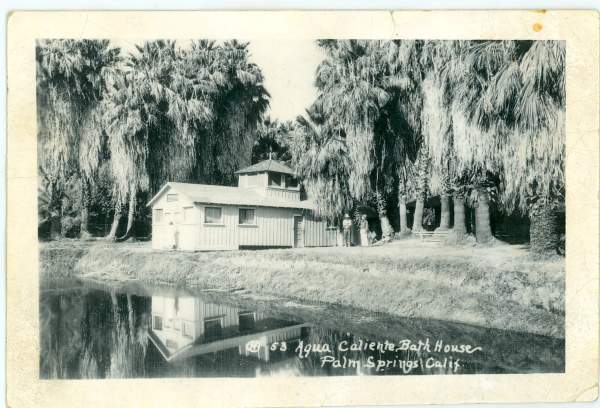
For the Agua Caliente Band of Cahuilla Indians, Palm Canyon is far more than a scenic destination—it is an ancestral homeland.
For centuries, the Cahuilla established villages within these palm oases, where the presence of water created a cooler, shaded microclimate. These environments supported a rich ecosystem of:
- Cottonwood
- Mesquite
- Willow
- Native grasses and edible plants
The fan palm itself was essential to daily life. The Cahuilla used nearly every part of the tree:
- Leaves for shelter, sandals, and baskets
- Fibers for weaving and tools
- Fruit for food
- Seeds for ceremonial rattles
Through trade and seasonal movement, they also helped spread palm seeds across the region, shaping the very landscape visitors experience today.
👉 Agua Caliente Cultural Museum: History, Tips & Guide
👉 Agua Caliente Band of Cahuilla Indians: A Historical Overview
A Living Story: The Palm Creation Myth
Cahuilla oral tradition tells a powerful story about the origin of the desert fan palm.
According to legend, a man named Ma-ul, facing the end of his life, chose to transform himself into something enduring. Standing beside a life-giving spring, he rooted himself into the earth. His body became the trunk, and his hair grew into fronds—becoming the first palm tree.
It’s a story that reflects a deeper truth: in Palm Canyon, culture and nature are inseparable.
Hiking Palm Canyon: What to Expect
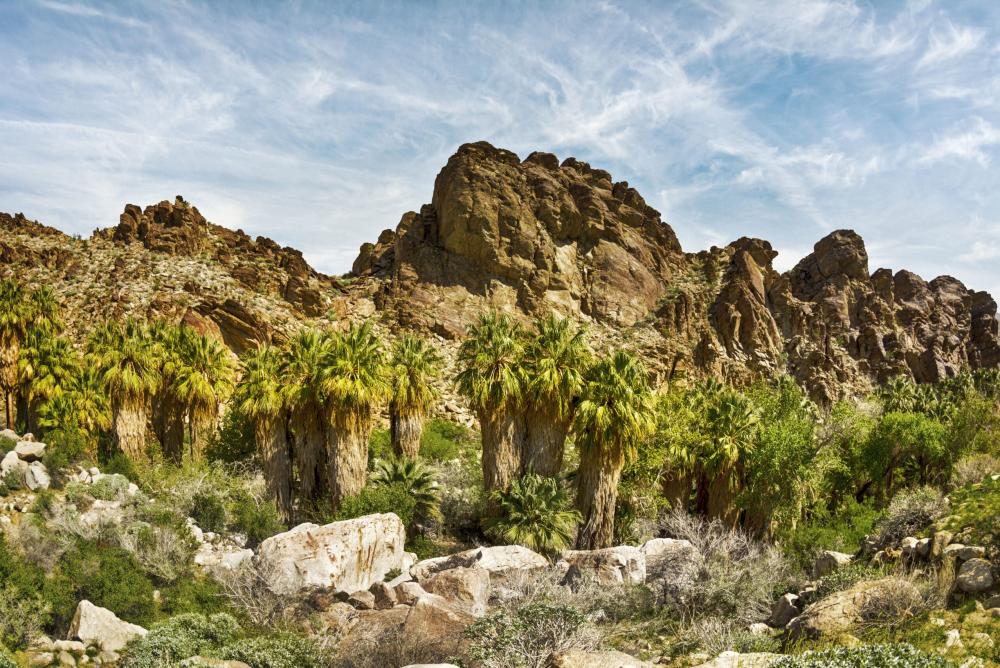
Fact: Palm Canyon holds the world’s largest reserve of filifera, spanning over 3,000 acres.
Today, Palm Canyon is one of the most accessible and rewarding outdoor experiences in Palm Springs. A gently descending trail leads visitors into the canyon, where the desert transforms into a shaded oasis of flowing water and towering palms.
Popular things to do in Palm Canyon include:
- Explore the Beauty of Lower Palm Canyon
- Picnicking beside the stream
- Birdwatching and wildlife spotting
- Photography among dramatic rock formations and palm groves
- Seasonal ranger-led interpretive hikes
👉 The Waterfalls of Palm Springs Canyons
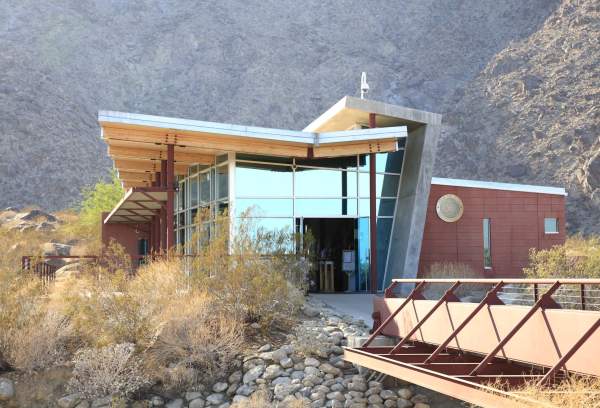
At the entrance, the Trading Post offers maps, refreshments, and authentic Native American art, including pottery, baskets, and jewelry.
Beyond Palm Canyon: The Indian Canyons
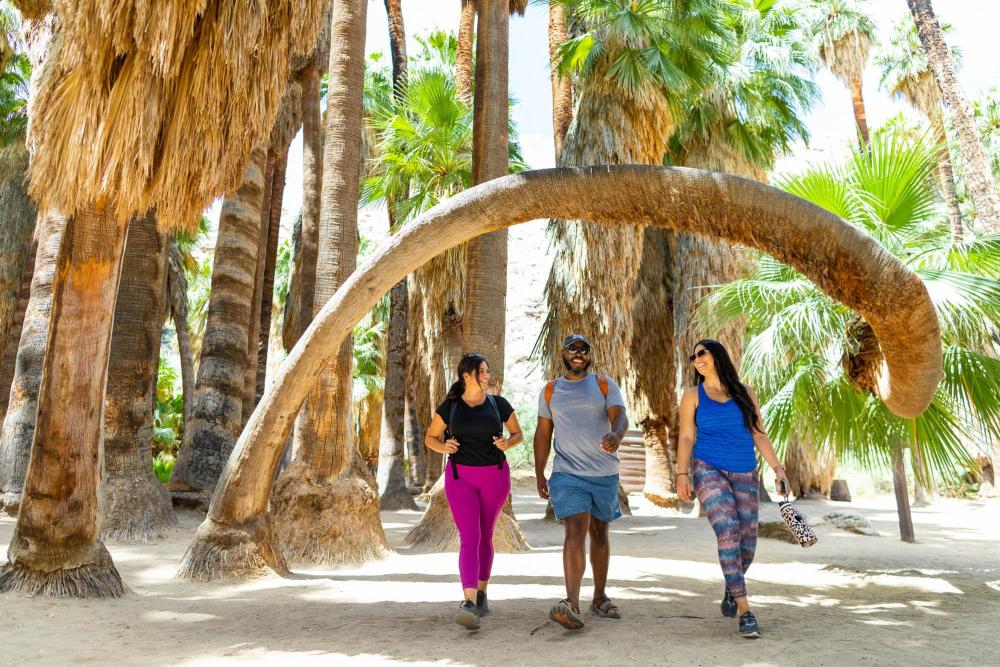
Palm Canyon, Andreas Canyon, and Murray Canyon comprise the larger Indian Canyons.
Andreas Canyon
Andreas Canyon is home to the second-largest concentration of California fan palms. Andreas Canyon offers a shorter, loop-style trail along Andreas Creek. Visitors can still see ancient bedrock mortars used by the Cahuilla for grinding food—quiet reminders of life here centuries ago.
Murray Canyon
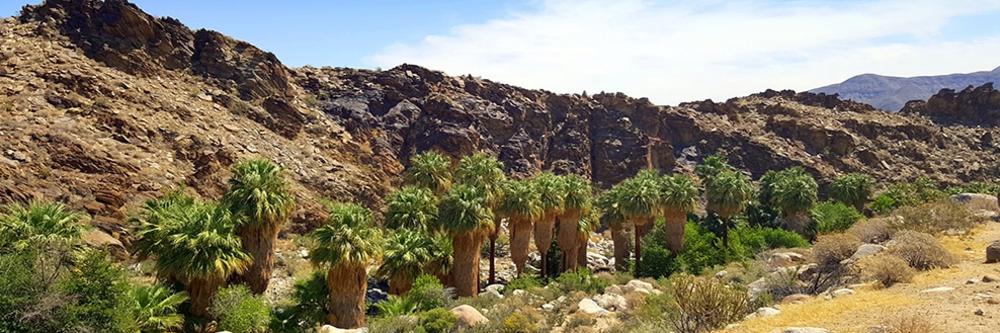
Less traveled and more rugged, Murray Canyon rewards hikers with a more secluded experience and seasonal waterfalls after winter rains.
👉 Hike Indian Canyons: A Complete Trail Guide to Sacred Oasis
Visitor Information & Tips
Location:
Indian Canyons Toll Gate
38520 S. Palm Canyon Drive, Palm Springs
Hours:
Typically open daily, October through June (summer hours may vary due to heat)
Admission:
Paid entry per person or vehicle (supports tribal land preservation)
You can purchase your day-hike tickets at the Indian Canyons Toll Gate.
Good to Know Before You Go:
- Arrive early—especially in peak season
- Bring plenty of water (even in winter)
- Wear sturdy shoes for uneven terrain
- Respect cultural sites and stay on marked trails
- Check weather conditions—summer heat can be extreme
Guided Experiences
There are seasonal ranger-led hikes in Palm and Andreas Canyons from October through June. They are included in your paid admission.
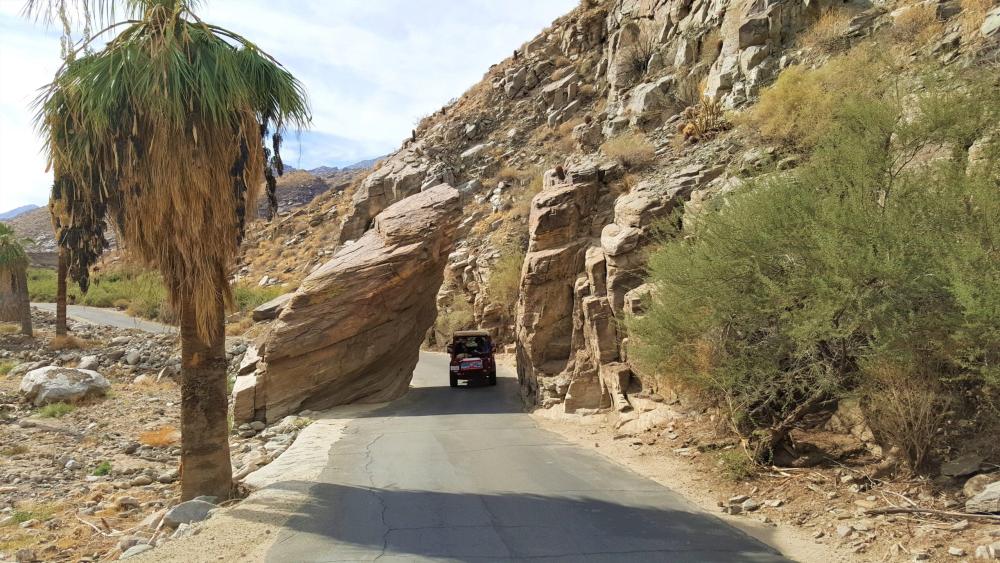
Red Jeep Tours also offers a walking tour through both Canyons. Admission is included in this tour.
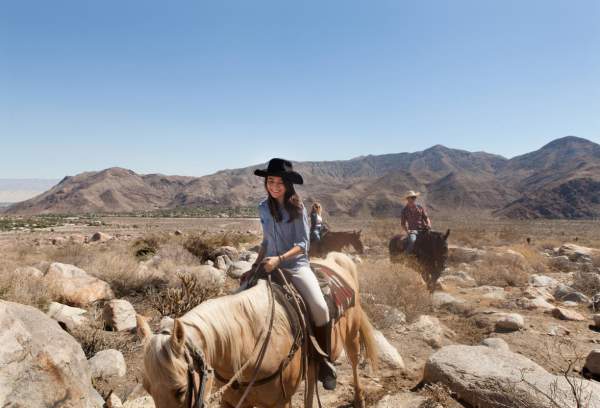
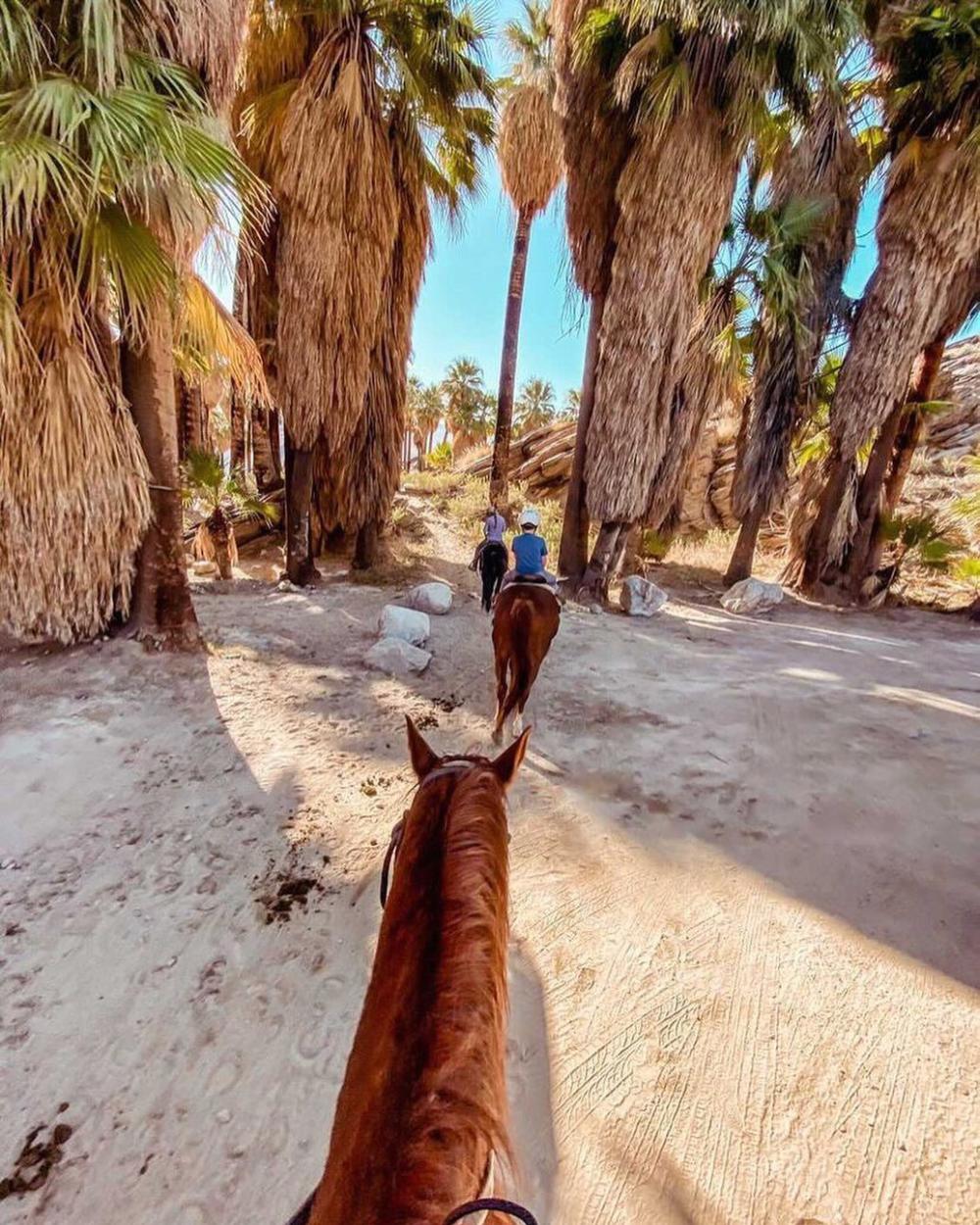
Smoke Tree Stables offers a fantastic horseback riding experience. The ride takes 1.40 hours. They trailer the horses into the beautiful Indian Canyons for a ride along streams and through the native fan palm groves. The ride is from Andreas Canyon to Murray Canyon and back.
Why Palm Canyon Still Feels Like a Discovery
Palm Canyon isn’t just a hike, it’s a rare convergence of geology, ecology, and living culture. In a region defined by extremes, it offers something quietly profound: shade, water, and continuity.
Stand beneath a grove of towering fan palms, listen to the trickle of water through the canyon, and it becomes clear why this place has drawn people here for thousands of years.
FAQ: Palm Canyon & Indian Canyons
Is Palm Canyon suitable for beginners?
Yes. The main trail is relatively moderate, though longer hikes can be more strenuous.
How long does it take to hike Palm Canyon?
You can explore the lower canyon in 1–2 hours, or hike several miles deeper for a half-day adventure.
When is the best time to visit?
October through April offers the most comfortable temperatures.
Are dogs allowed?
No, pets are not permitted in Indian Canyons.
Is there water in the canyon year-round?
Yes, though flow levels vary depending on rainfall.
Explore More: