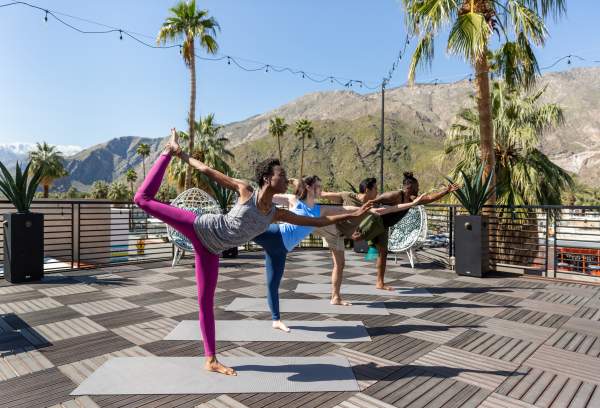
Oasis, History & Modern Downtown Heart
The Palm Springs Downtown Park is a 1.5-acre public urban park in the heart of Palm Springs. It sits between Museum Way and Belardo Road, just steps from the Palm Springs Art Museum and the shops, restaurants, and nightlife along Palm Canyon Drive.
Design & Purpose: Blending Desert Heritage, Comfort & Community
The planners and designers of Downtown Park drew on Palm Springs’ desert roots, local ecology, and resort-town legacy to create something unique.
Key features include:
- A dense palm grove of over 130 native Washingtonia filifera, California’s only native fan palm, offering generous shade even on hot desert days.
- Two grassy “eco-lawns” for lounging, picnicking, and casual gatherings.
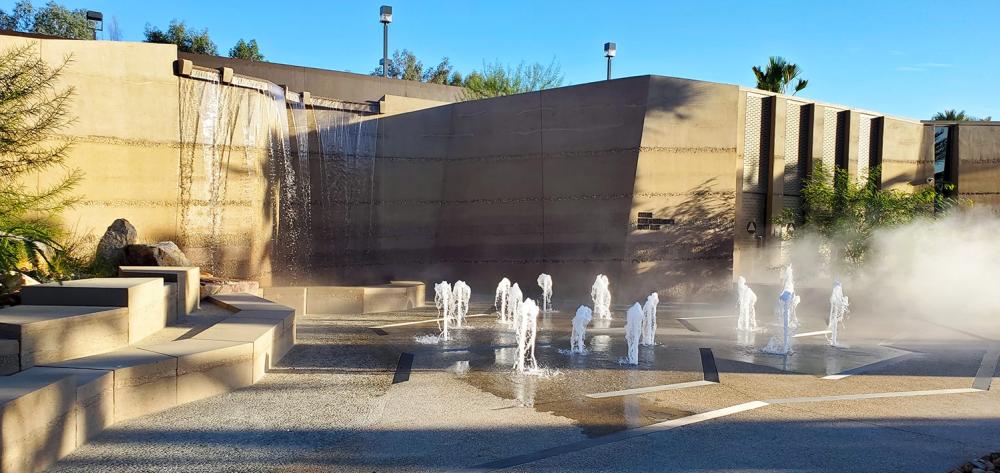
- An interactive water feature, inspired by the waterfalls of nearby Tahquitz Canyon, that includes a misting grotto, designed to evoke the desert’s natural springs and offer relief from heat.
- Amphitheater-style seating and a small event stage, enabling the park to host community events, concerts, and cultural gatherings, make it a downtown arts hub in the making.
- Native landscaping and local stonework, preserving a sense of place and honoring the desert’s natural beauty, is a tribute to Palm Springs’ long-standing identity as a desert oasis
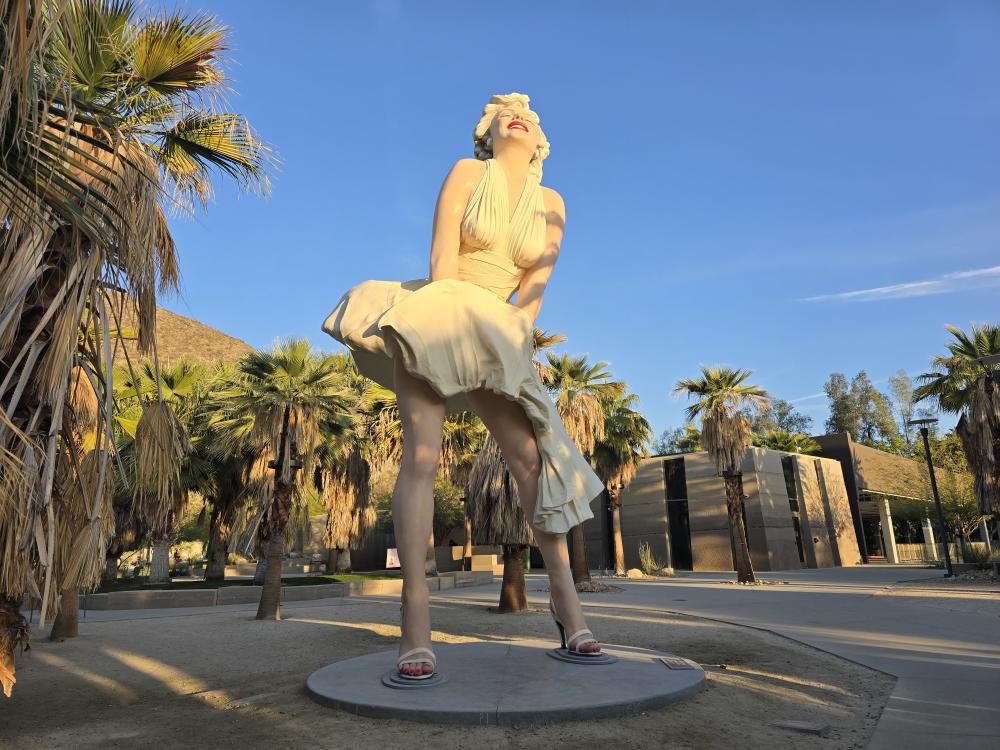
- A 26-foot-tall Forever Marilyn statue.
According to designers, the park was meant to reflect the “space, stillness, solitude, and simplicity” once promoted by early resort pioneers, qualities that helped define Palm Springs as a destination for wellness and retreat.
A Site With History: From Desert Inn to Downtown Gathering Space
Downtown Park is located on a portion of the historic Desert Inn's grounds. Opened in 1909 by Nellie Coffman, it was the first sanatorium resort in Palm Springs. The warm, dry climate made Palm Springs ideal for those with respiratory ailments, so it began as a place of wellness and healing.
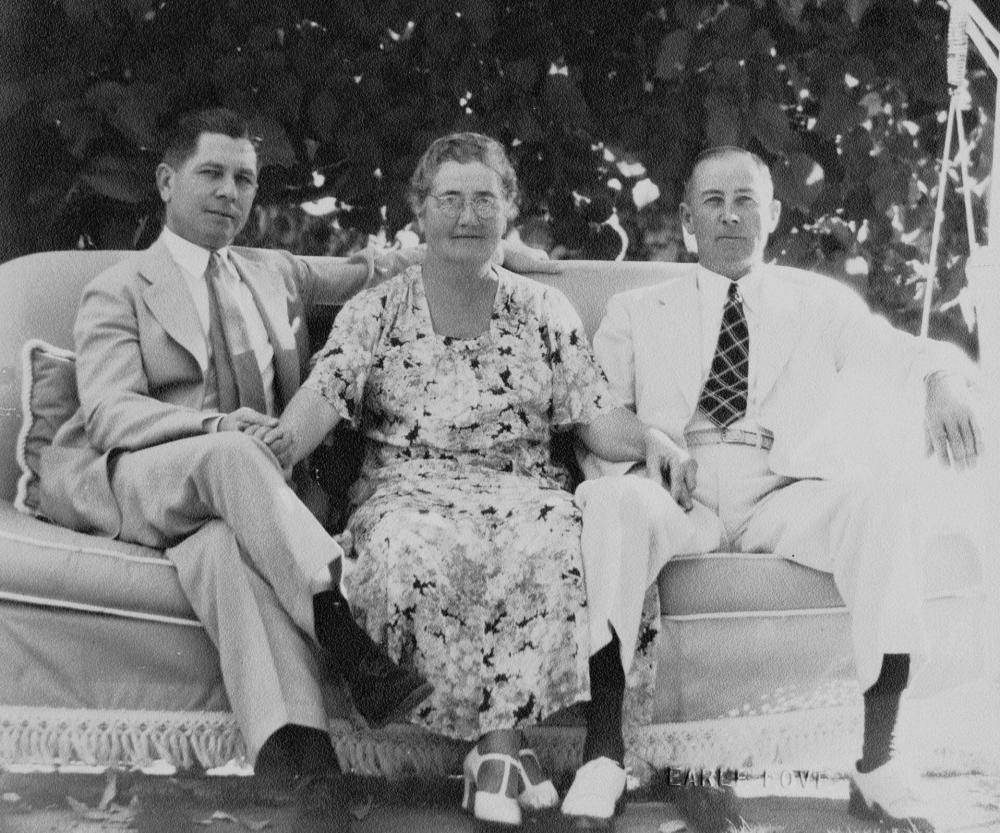 Earl Coffman, Nellie Coffman, and George Roberson circa 1926. Credit: PALM SPRINGS HISTORICAL SOCIETY
After discovering the Tuberculosis vaccine in 1921, Nellie had already begun moving away from a Sanatorium to a resort hotel. Later, guests were granted access to the nearby O’Donnell golf course. The roster of visitors in the 1920s included Cornelius Vanderbilt Jr., the three sons of William Randolph Hearst, New York Mayor Jimmy Walker, J. Edgar Hoover, and Shirley Temple, among others. This is a time when Palm Springs becomes the playground for the rich, the famous, and the powerful, yet it remained a small village.
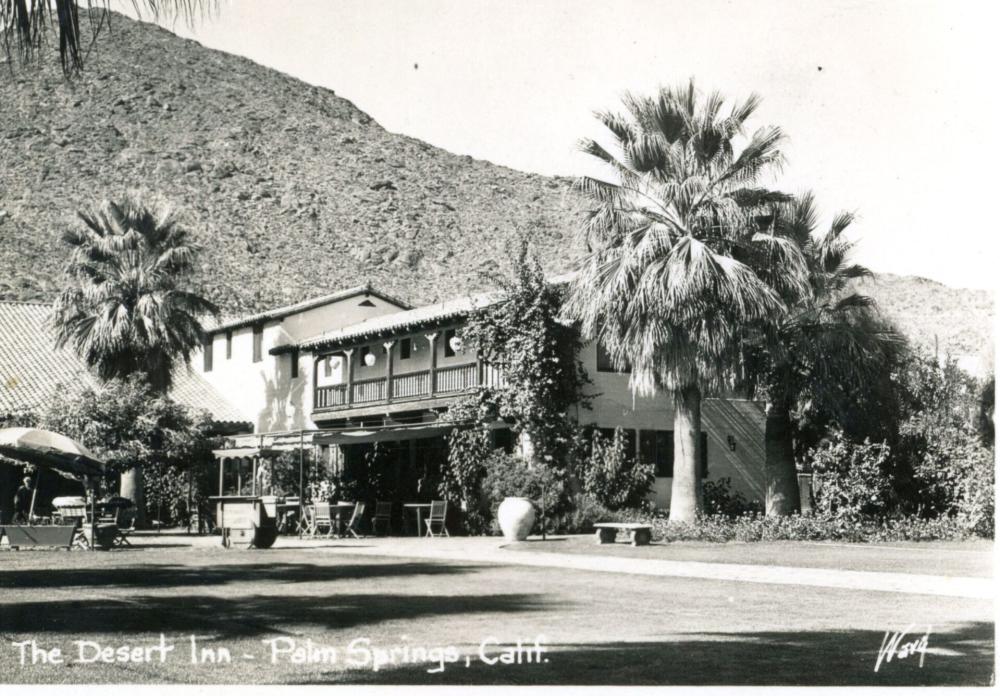
Nellie Coffman is a leading pioneer of Palm Springs. The Downtown Park espouses the space, stillness, solitude, and simplicity of Palm Springs and imbues her spirit. Locally sourced stone and native desert plantings create a common ground rooted in a sense of place for the diverse and growing community of Palm Springs and its visitors. You will find a plaque dedicated to Nellie Coffman in the grove.
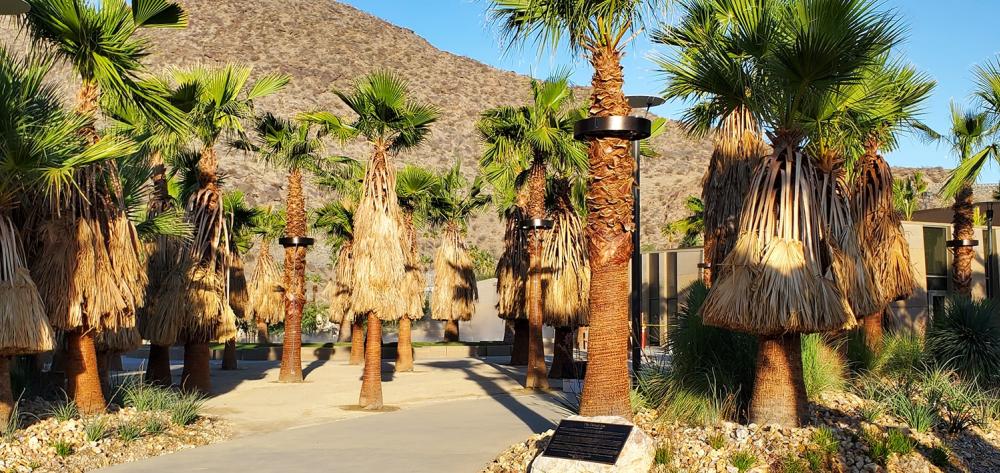
Inspired by Indian Canyons
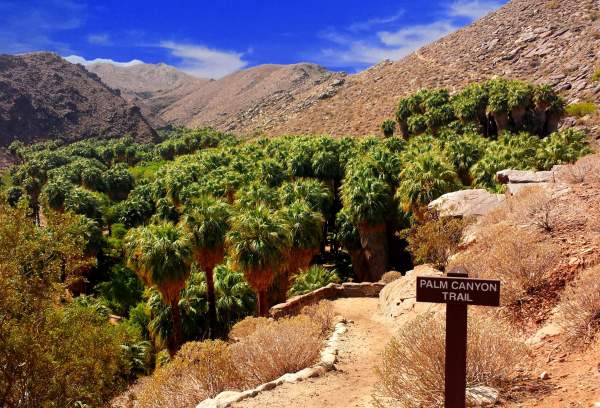
Indian Canyons are the ancestral home of the Agua Caliente Band of Cahuilla Indians. These canyons are especially sacred to the Cahuilla people and are historically significant. The Cahuilla people thrived there for thousands of years.
The Palm Springs Downtown Park design draws inspiration from the local natural features of the Indian Canyons. For example, Indian Canyons has the largest natural grove of a particular palm tree (washingtonia filifera) indigenous to Palm Springs.
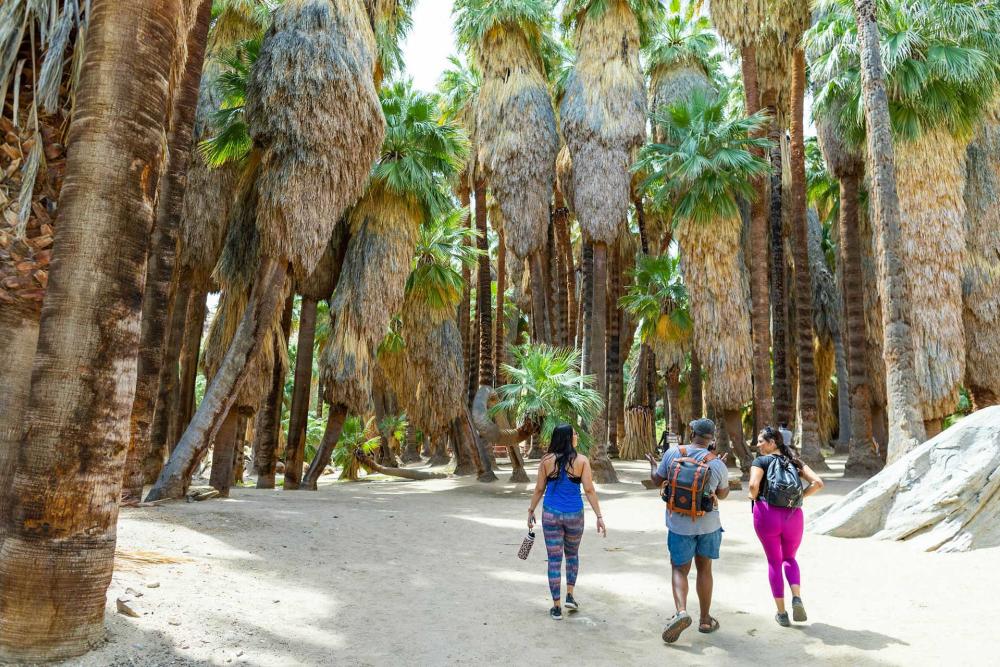
The park includes a thick grove of this unique palm tree that makes you feel like you are in the Indian Canyons. Meander through the pathways and native plants, exploring our new downtown nature. The palm trees also offer ample shading.
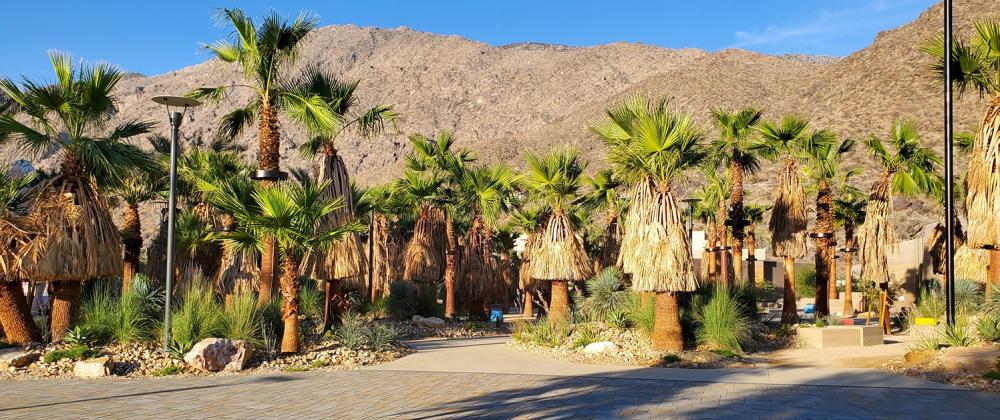
Tahquitz Canyon Waterfall
Tahquitz Canyon is home to a spectacular seasonal 60-foot waterfall created through an ancient rock irrigation system. Hollywood director Frank Capra used the falls as a backdrop in his 1937 film Lost Horizon. In the movie, the waterfall is called Shangri-La.
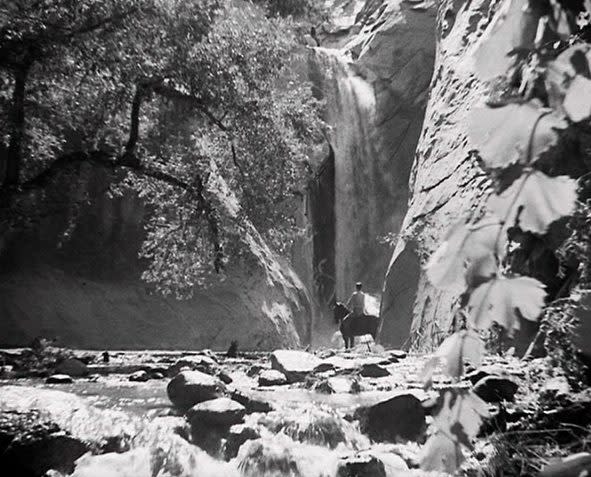
Tahquitz Waterfall is the inspiration behind the impressive waterfall at the Downtown Park and complements the native landscaping. Just in front of the waterfall is a dancing water feature that includes ever-changing mist and smoke.
What You Can Expect
Whether you’re a first-time visitor or a longtime local, Downtown Park offers something for nearly everyone:
- Shade & greenery — a cool, shaded palm-grove escape from the desert sun, even on hot days.
- Relaxation & people-watching — lawns, benches, and shaded seating for relaxing, reading, or watching the bustle of downtown pass by.
- Community & culture — amphitheater seating, lawns, and flexible event spaces ready for concerts, festivals, or public gatherings.
- Water feature & design touches — a water grotto and stonework that celebrate the desert’s beauty, inspired by native landscape and heritage.
- Easy access & walkability — steps away from the Palm Springs Art Museum, retail, dining, and nightlife on Palm Canyon Drive.
Note: There are public unisex bathrooms with an outdoor hand-washing station next to a new Palm Springs police substation. This provides officers with a new downtown location to monitor the city and keep the Palm Springs Downtown Park area safe for everyone.
Nearby Dining — Walkable & Tasty Picks
Here are several well-loved dining options within easy walking or a short drive from Downtown Park. Perfect for grabbing a bite before or after you stroll, shop, or explore nearby galleries.
- Clandestino — 175 N Palm Canyon Dr, Suite 160. A moody, intimate spot from the team behind Tac/Quila and FARM. They offer creative small plates and craft cocktails, ideal for a laid-back dinner or cocktail night.
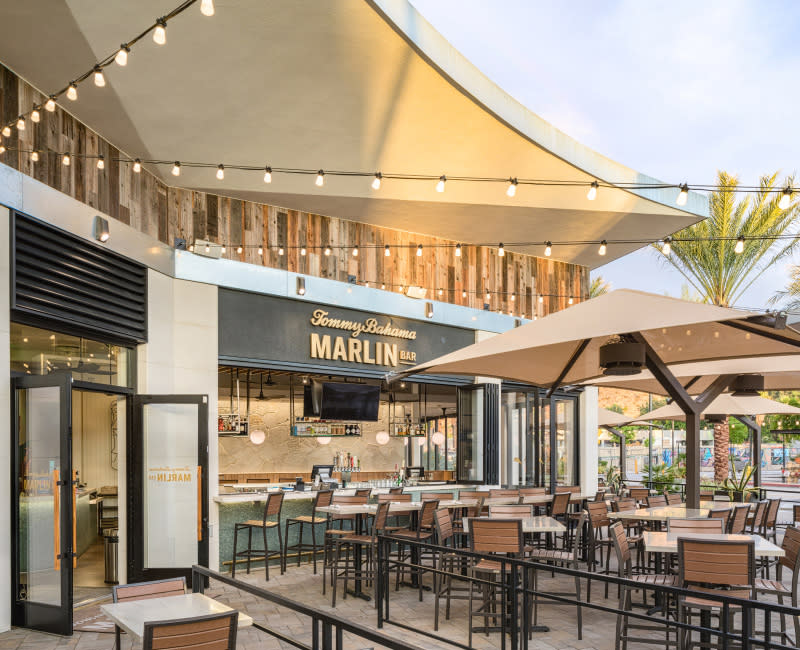
- Tommy Bahama Marlin Bar — 111 N Palm Canyon Dr, Suite 150. A relaxed, island-vibe bar & bistro offering cocktails, tropical-style fare, and a breezy outdoor patio — great for cooling off after a hot day downtown.
- El Patrón — 101 S Palm Canyon Dr. Known for fresh, local produce, handmade tortillas, and vibrant Baja-inspired Mexican cuisine. It's a lively, flavorful spot not far from the park.
- Juniper Table — 100 W Tahquitz Canyon Way. A cozy, modern American-style restaurant — a nice choice if you want a comfortable sit-down meal after exploring downtown.
- Ponzu Sushi — For sushi lovers or light, fresh bites. (While not always highlighted in tourist lists, sushi and casual Japanese-style spots remain part of the downtown mix.)
- Liv’s Restaurant — Located in the lower level of the Palm Springs Art Museum — ideal for breakfast or a casual lunch.
- Blaze Pizza — 201 N Palm Canyon Dr. Fast, build-your-own pizzas — a dependable option for quick, customizable meals downtown.
- Bongo Johnny’s Patio Bar & Grill — 301 N Palm Canyon Dr #200. Diner-style comfort food, open late, with patio seating — great for casual group dinners or late-night bites.