

A complete one-day guide to exploring Joshua Tree National Park
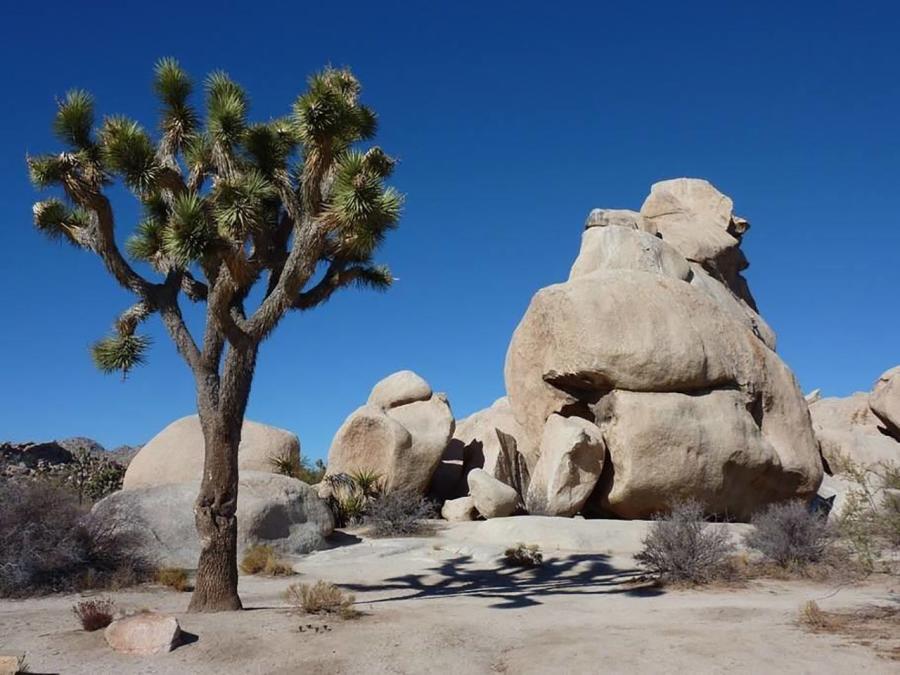
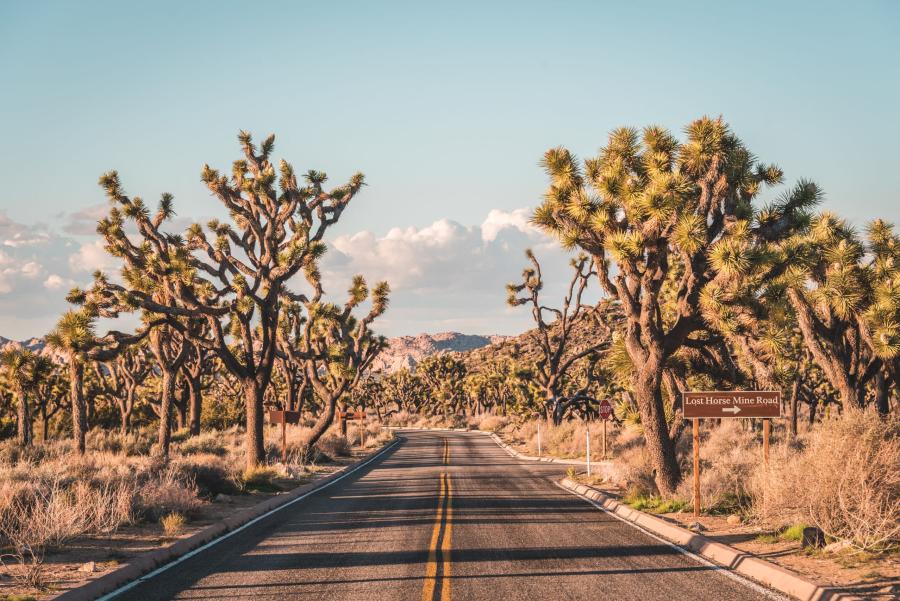
Joshua Tree National Park is one of Southern California’s most iconic landscapes, known for its surreal rock formations, sprawling desert vistas, and the twisted silhouettes of its namesake Joshua trees. Just about an hour from Palm Springs, the park makes for an unforgettable day trip—whether you’re after scenic drives, easy hikes, photography, or simply the stillness of the high desert.
This guide covers everything you need to know to plan a successful day trip from Palm Springs to Joshua Tree National Park, from when to visit and how to prepare to the best drives, short hikes, and must-see viewpoints.
Operating Hours & Seasons
Joshua Tree National Park is open year-round, 24 hours a day. However, visitation patterns and conditions vary by season:
The most comfortable seasons for exploring Joshua Tree are fall and spring, when daytime temperatures are generally much more pleasant for hiking and sightseeing. NPS notes that visitation increases as temperatures moderate in fall, peaks during spring, and decreases during the summer heat.
Fall
Fall is an excellent time for a day trip from Palm Springs. Temperatures become more comfortable for hiking, although popular areas can still be busy on weekends.
Winter
Winter brings cooler days and cold nights. Higher elevations can occasionally see snow, creating a striking contrast with the desert landscape.
Spring
Spring is one of the busiest times to visit, particularly during spring break and wildflower season. The weather can be excellent for hiking, but popular parking areas and trails can become crowded.
Summer
Summer is the challenging season. Joshua Tree can get extremely hot, and some trails and facilities have seasonal restrictions. NPS currently closes the 49 Palms Oasis Trail from June 1 through September 30 and implements other summer restrictions.
If you're visiting in summer, start early, check current park conditions, and don't plan an ambitious hiking day.
Before You Leave Palm Springs
Joshua Tree is a remote desert park, so don't treat the trip like a drive to a typical attraction.
Bring:
- Plenty of drinking water
- Food and snacks
- Sunscreen and sun protection
- Comfortable walking or hiking shoes
- Layers for changing temperatures
- A full tank of gas
- A paper or downloaded map
- Your phone with offline information available
There are no gas stations, restaurants, or grocery stores inside the park, and cell service is limited. NPS recommends bringing your own food, water, and supplies.
Download the NPS App
The National Park Service app provides trail maps, campground details, ranger programs, and downloadable offline content, which is critical given the limited cell service throughout the park.

Buy Your Park Pass in Advance
Purchasing your entrance pass on recreation.gov can save time at entrance stations, especially during busy seasons.
How Far is Joshua Tree from Palm Springs?
The drive from Palm Springs to Joshua Tree National Park takes approximately one hour, making it one of the most accessible national parks in Southern California.
Entrance Options
- West Entrance: Near Joshua Tree Village; the busiest and most popular entrance
- South Entrance: Near Cottonwood Spring, off Interstate 10; less crowded and ideal for scenic drives
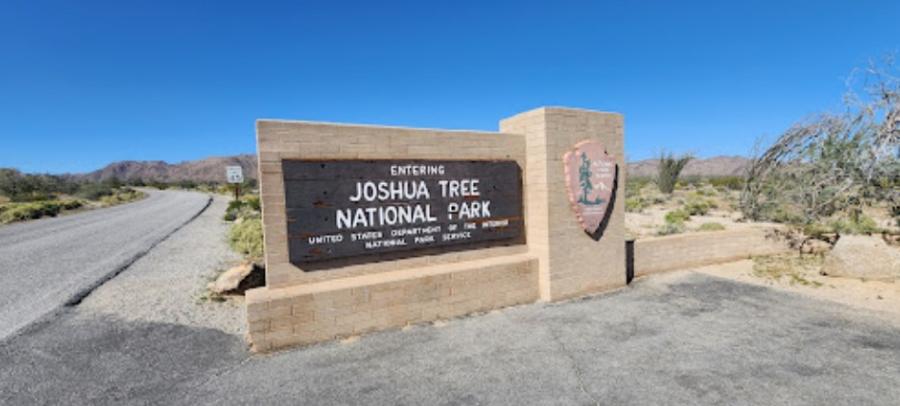
The park is enormous, so choosing your entrance matters. The West Entrance near the town of Joshua Tree is the most convenient choice for a classic first visit from Palm Springs. It puts you close to many of the park's most popular sights, including Hidden Valley, Cap Rock, Barker Dam, and Skull Rock.
The South Entrance, reached from Interstate 10 near Cottonwood, makes more sense if you want to combine Joshua Tree with the southern portion of the park and the Pinto Basin.
For a first day trip from Palm Springs, the West Entrance is usually the simplest choice.
Important: Do not rely on GPS alone. Some navigation systems may direct you onto unsafe or unmaintained backcountry roads.
Joshua Tree Visitor Centers
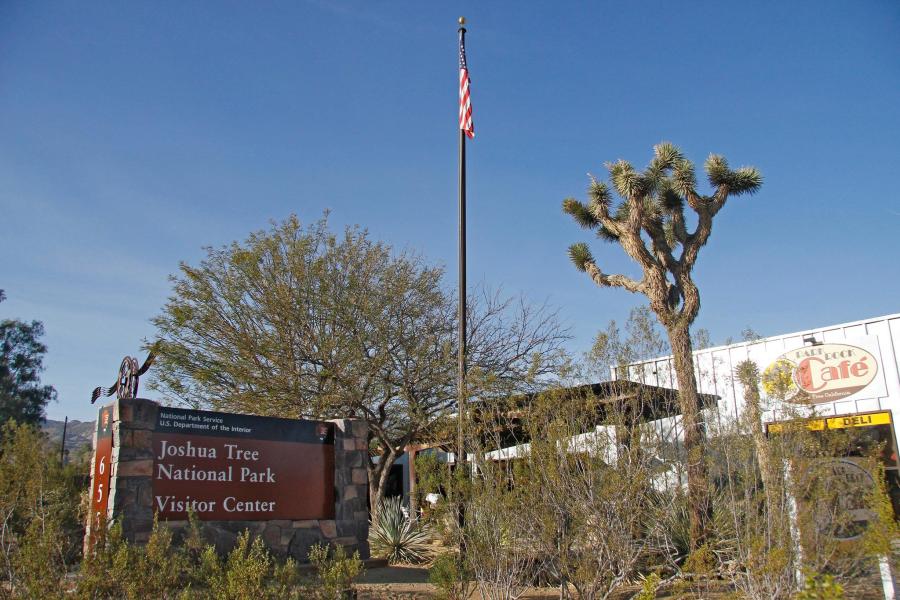
Joshua Tree Visitor Center
Located five miles from the West Entrance, this is an ideal first stop for maps, passes, exhibits, and ranger guidance.
Open daily: 7:30 am - 5 pm
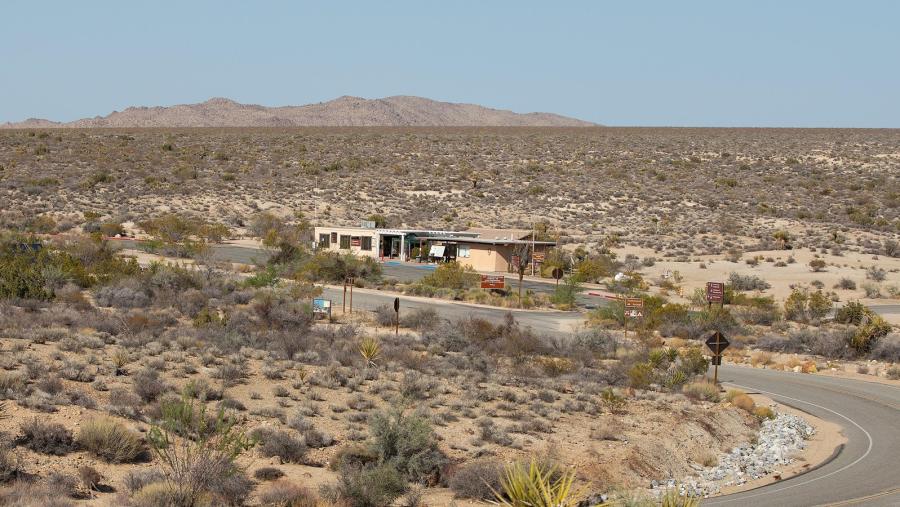
Cottonwood Visitor Center
Convenient for visitors entering from I-10. Includes exhibits, restrooms, water refill stations, and ranger assistance.
Open daily: 8:30 am - 4 pm
Parking Tips
- Park only in designated spaces or on graded shoulders
- Never park on vegetation or near red curbs
- If a parking lot is full, move on and return later
Choosing activities based on parking availability helps reduce congestion and protects fragile desert ecosystems.

The Best One-Day Joshua Tree Itinerary
For a first visit from Palm Springs, plan to spend most of the day on the park's main paved roads, stopping for a handful of short walks and viewpoints.
1. Start at the West Entrance
Leave Palm Springs early and head toward the West Entrance.
If you want maps, information, or a restroom stop before entering the park, the Joshua Tree Visitor Center is located in the town of Joshua Tree, about five miles from the West Entrance. It is currently open daily from 7:30 a.m. to 5 p.m.
Enter the park and follow Park Boulevard.
2. Hidden Valley
Hidden Valley is one of the easiest places to experience the landscape that makes Joshua Tree famous.
The approximately one-mile loop winds through a natural valley surrounded by enormous granite boulders and Joshua trees. At an easy sightseeing pace, it takes about an hour and offers plenty of photo opportunities.
It's also one of the park's most popular stops, so an early arrival can make parking easier.
3. Cap Rock
Continue to Cap Rock, an easy stop near the junction of Park Boulevard and Keys View Road.
A short loop leads through boulders and Joshua trees and makes a good quick walk if you don't want to commit to a longer hike.
4. Keys View
If conditions are clear, take the detour to Keys View.
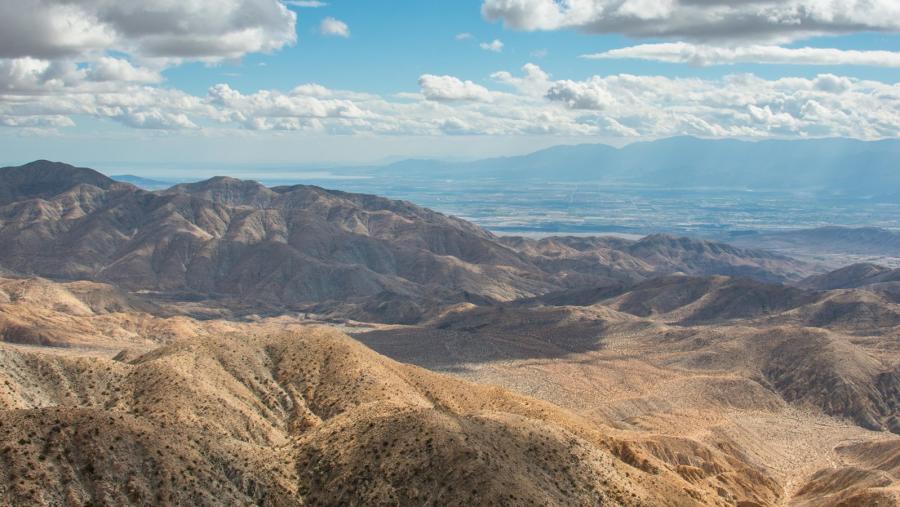
At about 5,185 feet, the overlook offers expansive views across the Coachella Valley toward the San Andreas Fault, with the San Jacinto and San Gorgonio mountains visible in the distance.
Keys View can become extremely crowded during busy periods and may temporarily close when parking reaches capacity, so don't build your entire itinerary around it.
5. Barker Dam
Return to Park Boulevard and follow the road toward Barker Dam.
The short loop combines desert scenery with a glimpse into the area's ranching history. The trail passes a historic water-storage dam built by early cattle ranchers and offers another opportunity to see Joshua trees and granite formations.
6. Skull Rock
Continue toward Skull Rock, one of the park's most recognizable rock formations.
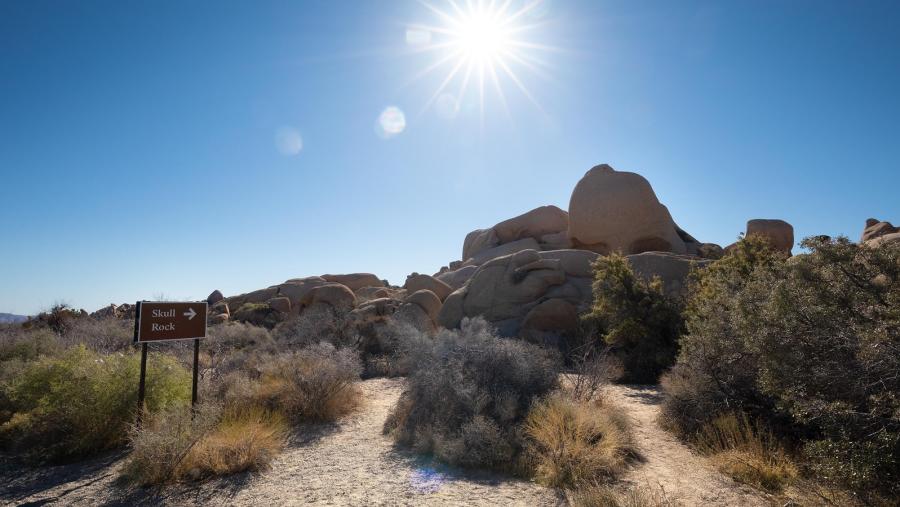
You can see the distinctive rock from the roadside area, or spend more time exploring the surrounding boulders and desert landscape.
If parking is crowded, don't feel obligated to wait. Plenty of spectacular rock formations dot the park.
Take a Scenic Drive Through Joshua Tree National Park
One of the best ways to experience Joshua Tree is from the road, with frequent pullouts and short walks.
Park Boulevard (West Entrance Route)
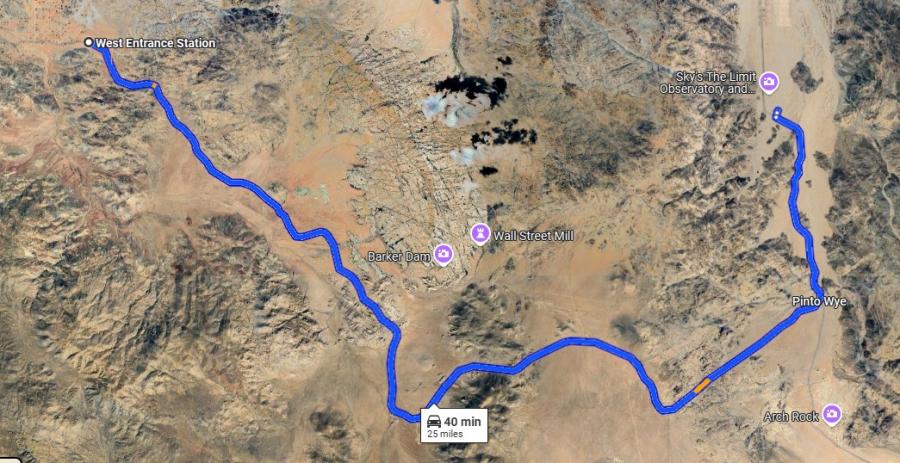
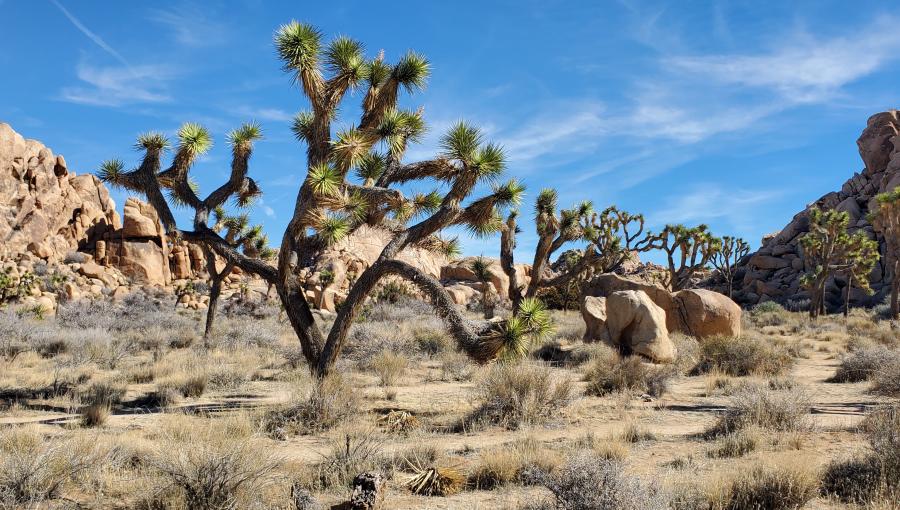
This loop begins at the Western Entrance near Joshua Tree Village. It exits through the opposite entrance, allowing for a seamless journey along Highway 62 on the park’s northern side. This scenic drive traverses the heart of the park, connecting major highlights such as Hidden Valley, Cap Rock, Ryan Mountain, Skull Rock, and Barker Dam. It’s ideal for visitors with limited time who still want a comprehensive overview of the park’s landscapes.
Keys View Road
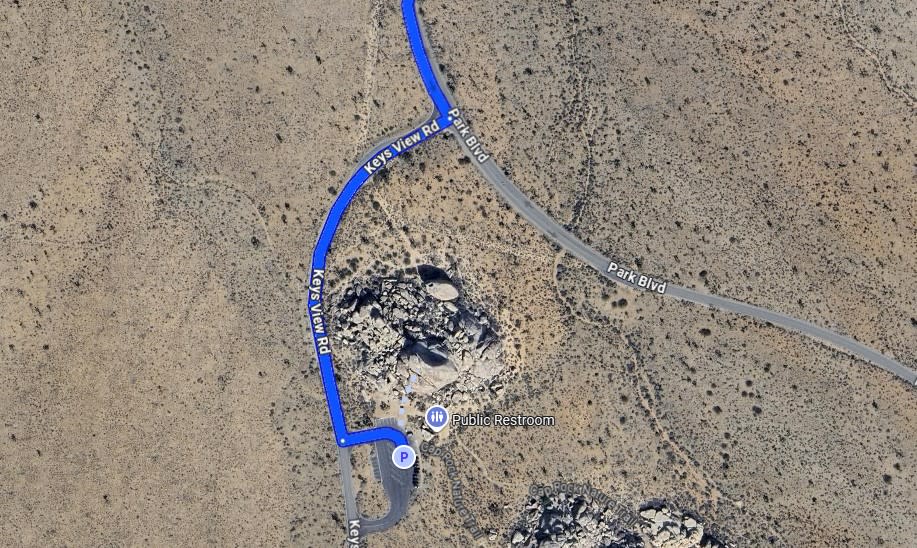
This is 10 miles from the West Entrance on Park Boulevard at Cap Rock. Turn right to the parking lot and public restrooms. Drive 20 minutes down Keys View Road to Keys View, which offers panoramic views of the Coachella Valley and the San Andreas Fault. This winding road leads to an overlook at 5,185 feet (1,580 meters), offering an unparalleled vantage point over the surrounding desert landscape. On clear days, you can even see as far as the Salton Sea and the San Jacinto Mountains.
Pinto Basin Road (South Entrance Route)
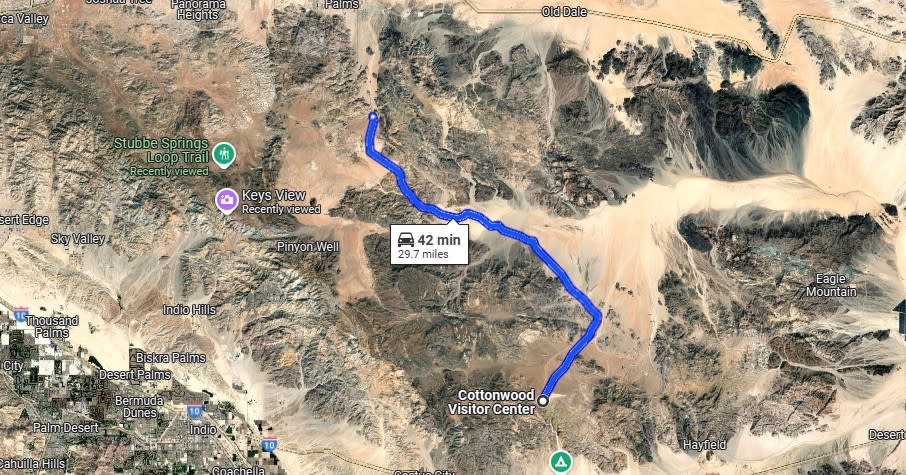
Take Cottonwood Springs Road off I-10 (exit 168) toward the South Entrance, then head to the Cottonwood Springs Visitor Center. Here, you will connect to the Pinto Basin Road. After a 30-mile drive, it meets Park Boulevard. It offers a unique perspective of the park's diverse landscape. As you drive along this route, you'll see the transition from high desert terrain to the lower-elevation Pinto Basin, where the vegetation changes and the vast expanse of the desert opens up before your eyes.
The Best Short Hikes for a Day Trip
For those looking to stretch their legs and venture into the heart of the park, Joshua Tree National Park offers an extensive network of hiking trails. Hidden Valley, Barker Dam, and Ryan Mountain are popular trails that showcase the park's unique flora, fauna, and stunning geological formations.
Pets are not permitted on any trails in the park except the Oasis of Mara Trail.
Arch Rock: Twin Tanks Parking lot, aka the Arch Rock Trailhead. A lollipop trail through sandy and rocky terrain. A .6-mile trail leads to a .2-mile loop. The arch is located halfway along the loop—1 hour.
Bajada: South of Cottonwood Visitor Center. Loop. Walk on a bajada and discover Colorado Desert plants on this easy path—1 hour.
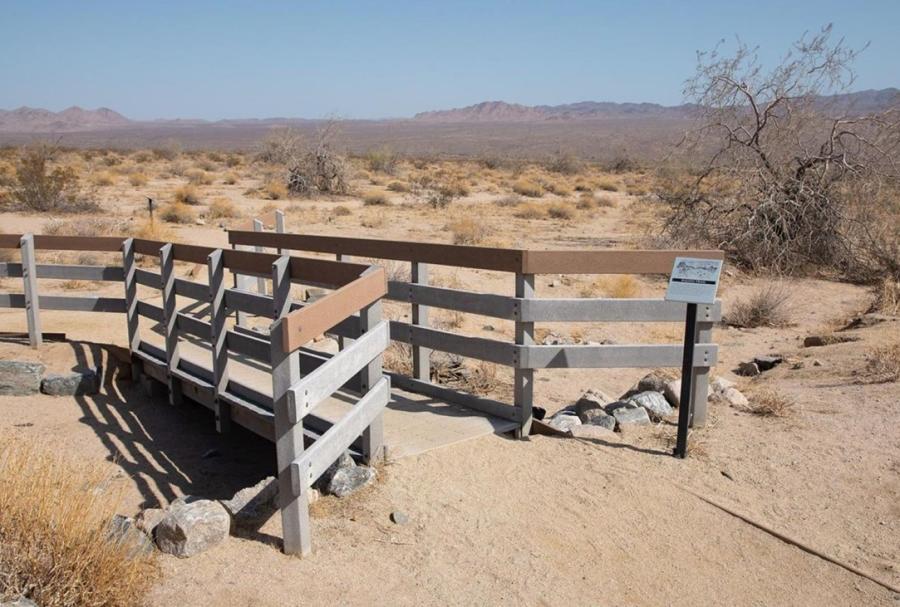
Barker Dam: Barker Dam parking area. Loop. Explore cultural history and view a water tank built by early cattle ranchers. Watch for bighorn sheep—1 hour.
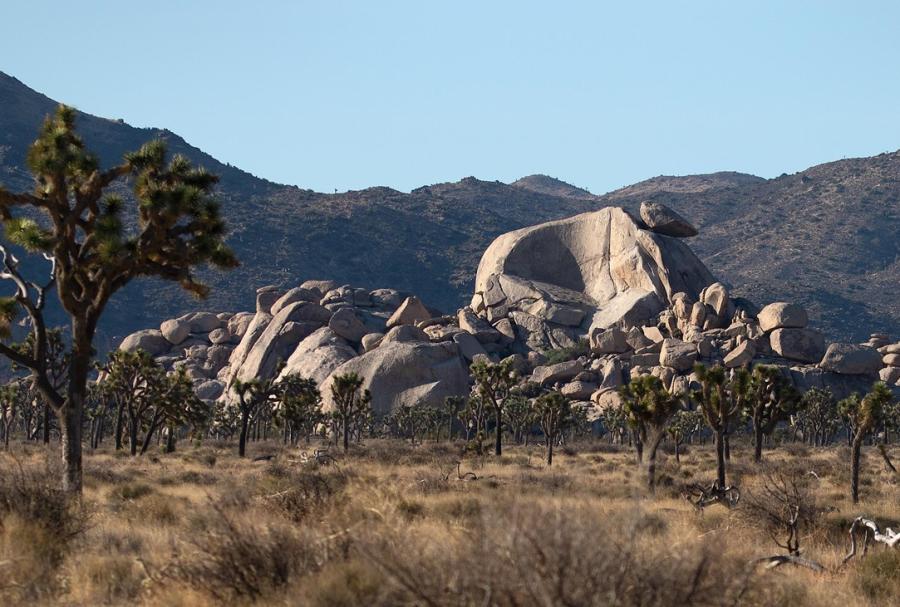
Cap Rock: Cap Rock parking area at the junction of Park Boulevard and Keys View Road. Loop. View boulder piles, Joshua trees, and other desert plants on this easy path. 30 - 45 minutes.
Cottonwood Spring: 1 mile east of Cottonwood Visitor Center. Short walk to fan palm oasis with cottonwood trees. A fantastic birding location with plenty of shade—10 minutes.
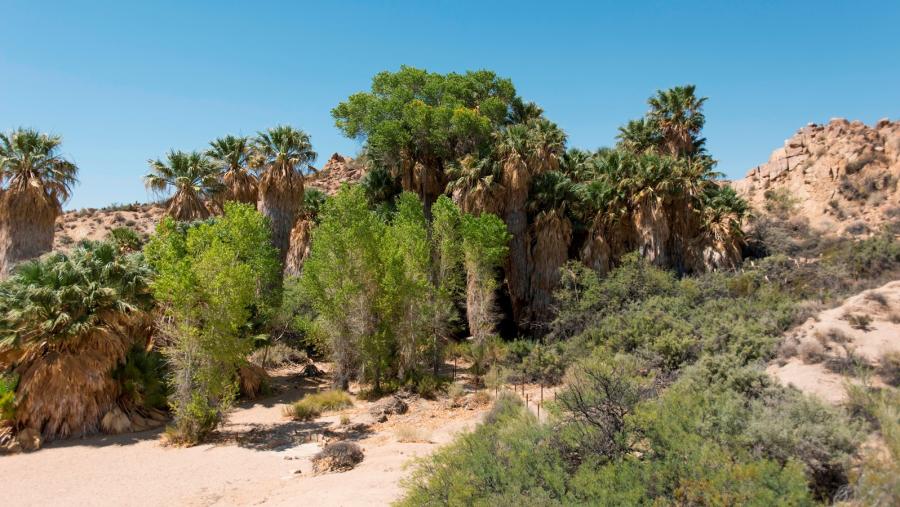
Discovery Trail: Skull Rock parking area east of Jumbo Rocks Campground. Loop. Connects Skull Rock and Split Rock Loop trails at Face Rock. Easy hike through boulder piles and desert washes. 30 - 45 minutes.
Hidden Valley: Hidden Valley picnic area. Loop. Discover a rock-enclosed valley once rumored to have been used by cattle rustlers—1 hour.
Indian Cove: West end of Indian Cove campground. Loop. Walk on a gently rolling path with a few steps. Take a closer look at desert plants and learn about their traditional uses by Native Americans. 30 - 45 minutes.
Keys View: Short, paved loop path is steep. Breathtaking views of the San Andreas Fault, Mount San Jacinto, Mount San Gorgonio, and the Salton Sea. 30 minutes.
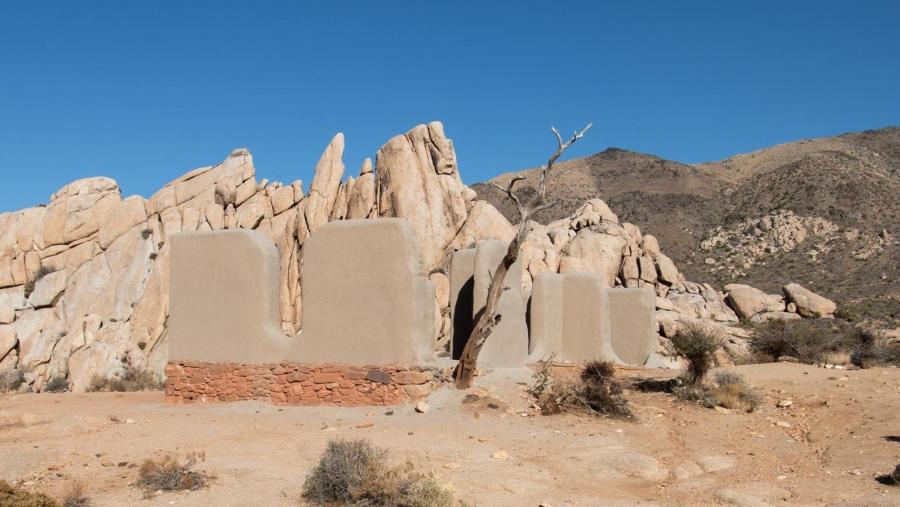
Ryan Ranch: The Ryan Ranch trailhead is about half a mile east of Ryan Campground. Out and back. Enjoy a leisurely hike along an old ranch road and see a historic adobe structure—1 hour.
Skull Rock: The parking area is east of Jumbo Rocks Campground. Loop. Take a leisurely hike and explore boulder piles, desert washes, and the namesake Skull Rock—1 to 2 hours.
Joshua Tree Tours
Joshua Tree at Sunset
Sunset Spectacles
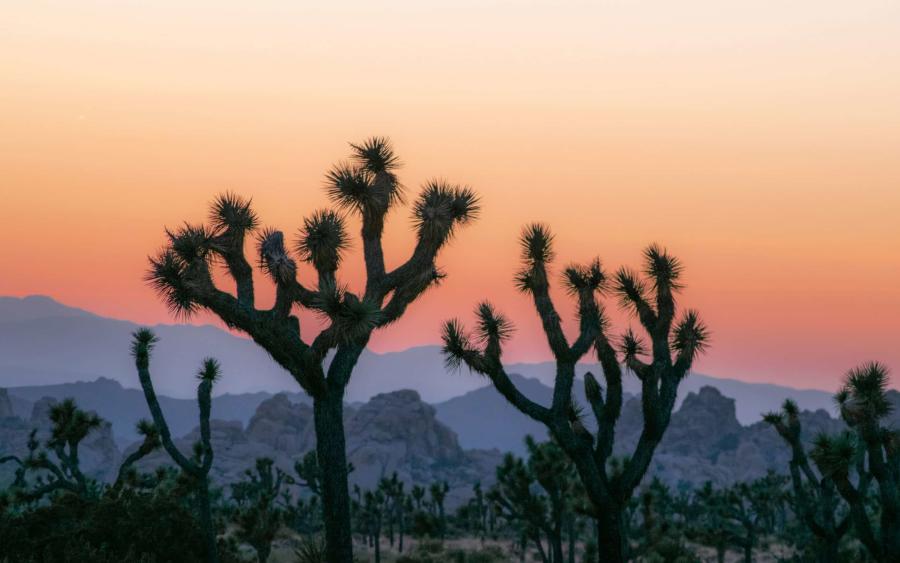
As the sun sets over Joshua Tree National Park, the desert landscape transforms into a magical display of colors. Finding a prime spot to witness this natural spectacle is a must during your day trip. Head to Keys View, Jumbo Rocks, or any high point in the park for an unforgettable sunset experience that will leave you in awe.
Joshua Tree Stargazing
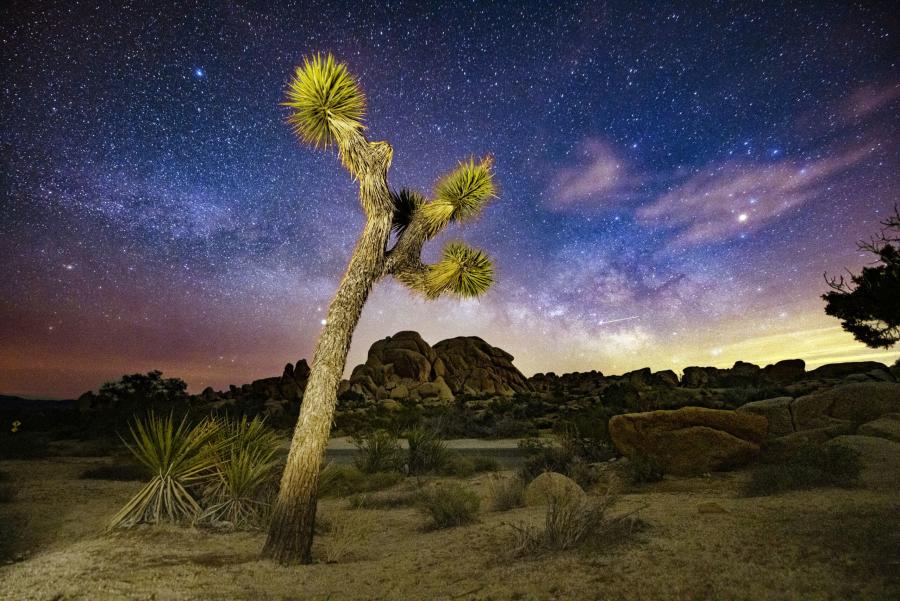
With its remote location far from major city lights, Joshua Tree National Park offers exceptional stargazing opportunities. As night falls, the vast expanse of the Milky Way reveals itself, captivating astronomers and casual observers alike. Bring a blanket, lie back, and marvel at the countless stars illuminating the desert sky in this International Dark Sky Park.
Why Joshua Tree Makes the Perfect Day Trip from Palm Springs
A day trip from Palm Springs to Joshua Tree National Park immerses you in an otherworldly desert landscape, featuring awe-inspiring rock formations, distinctive vegetation, and a wide range of outdoor activities. Whether you hike, climb, drive, or soak in the enchanting ambiance, this national park offers an unforgettable experience for nature enthusiasts and adventure seekers. So pack your camera, grab some snacks, and take a day trip to Joshua Tree National Park for a memorable encounter with the desert's wonders.
Don't Overpack Your Day
One of the easiest mistakes on a Joshua Tree day trip is trying to see everything. You can't.
The park covers nearly 800,000 acres, and even a full day only offers a taste. A better strategy is to choose a few major stops and leave enough time to enjoy them.
A relaxed day might look like:
Early morning: Drive from Palm Springs to the West Entrance.
Morning: Hidden Valley and Cap Rock.
Late morning: Keys View, conditions permitting.
Lunch: Picnic in the park or eat before entering.
Afternoon: Barker Dam, Skull Rock and additional scenic stops.
Late afternoon: Continue south on Pinto Basin Road or return toward Palm Springs.
Evening: Return to Palm Springs for dinner.
If you're visiting during the hottest part of the year, move the outdoor portions of the itinerary to early morning and late afternoon.
Important Joshua Tree Safety Tips
Joshua Tree is beautiful, but it is also a rugged desert environment.
Carry water. Don't rely on finding water once you're inside the park.
Stay on designated trails. The desert ecosystem is fragile, and many plants take years to recover from damage.
Don't climb on historic structures or rock art. Enjoy cultural resources from a respectful distance.
Watch the temperature. Heat can become dangerous quickly, especially in summer.
Don't rely on cell service. Download maps and information before entering the park.
Check conditions before leaving Palm Springs. Roads, trails and facilities can close because of weather, fire danger or other conditions. NPS maintains current alerts and conditions online.
Park responsibly. Use designated parking spaces or graded shoulders. Popular parking areas can fill during busy periods, and NPS may temporarily close lots when they reach capacity.
Leave pets behind for hiking. Pets are not permitted on park trails except the Oasis of Mara Trail and must remain leashed and within 100 feet of a road.
Frequently Asked Questions (FAQ)
How far is Joshua Tree National Park from Palm Springs?
Joshua Tree National Park is approximately a one-hour drive from Palm Springs, depending on which entrance you use.
Is one day enough to visit Joshua Tree National Park?
Yes. A full day allows time for scenic drives, short hikes, and major viewpoints, though longer stays offer deeper exploration.
What should I bring for a day trip to Joshua Tree?
Bring plenty of water, food, sun protection, sturdy shoes, a map, and layers for changing temperatures.
When is the best time to visit Joshua Tree National Park?
Spring and fall offer the best weather. Summer can be dangerously hot, while winter nights can be very cold.
Can you stargaze in Joshua Tree National Park?
Yes. The park is renowned for stargazing and is designated as an International Dark Sky Park.
Can I bring my dog to Joshua Tree National Park?
Dogs are not permitted on most park trails. They must remain on a leash and within 100 feet of a road, except on the Oasis of Mara Trail.
Other Adventures: