

The colored doors of Palm Springs are delightful and popular. This self-guided tour takes you through some colored doors in South Palm Springs neighborhoods. Here, you can admire the vibrant, uniquely designed doors of many homes. This tour is great for exploring the city's architectural beauty and capturing fantastic photos. Many choose to do this on a bike tour.
In Palm Springs, front doors became more than entrances; they became statements. Bursts of color against stone, glass, and breeze block reflected the city’s playful embrace of modernism, individuality, and indoor-outdoor living.
Tour at a Glance
Location: South Palm Springs
Neighborhoods: Kings Point, Indian Canyons
Era: Primarily 1960–1974
Focus: Colored doors, Desert Modern architecture, celebrity-era neighborhoods
Estimated time: 1.5–3 hours, depending on pace
Best explored by: Bike or car (some walkable clusters)
Best time: Morning for soft light, late afternoon for shadows and color contrast
Pairs well with: Architecture tours, Palm Springs Art Museum, Indian Canyons hike, downtown dining
A Courtesy to Residents
This tour highlights private residences. Please help preserve these neighborhoods by:
• Staying on public sidewalks
• Not stepping onto the property
• Not touching doors or fixtures
• Avoiding posed photography at doors
• Keeping voices and music low
Palm Springs’ architectural legacy exists because people live here — your respect keeps this experience possible.
Design Context: Why South Palm Springs Matters
South Palm Springs became a midcentury design hotspot in the early 1960s, when developers began building wind-protected communities near today’s Indian Canyons Golf Resort. Architects experimented with open floor plans, breeze block walls, clerestory windows, and strong geometric forms, ideal canvases for expressive color.
Neighborhoods like Kings Point and Indian Canyons mark the moment Palm Springs shifted from a resort town to an internationally recognized modernist laboratory.
This tour threads through that design legacy — one door at a time.
Colored Door Tour Begins
Kings Point: International Modern in the Desert
Kings Point is a community with 44 detached midcentury modern homes designed by the acclaimed architect William Krisel and developed by Bob Grundt. These homes were developed and built between 1968 and 1970. The residences are modernist, featuring flat roofs, shallow front yards, and generous floor plans. William Krisel's vision for Kings Point was called "International Modern," with high ceilings, open floor plans, poured terrazzo flooring, and walls of glass.
Kings Point is part of the Indian Canyons neighborhood, which we will explore more later on the tour.
The first residence is off Murray Canyon Drive by the Indian Canyons Golf Resort and is on your right.
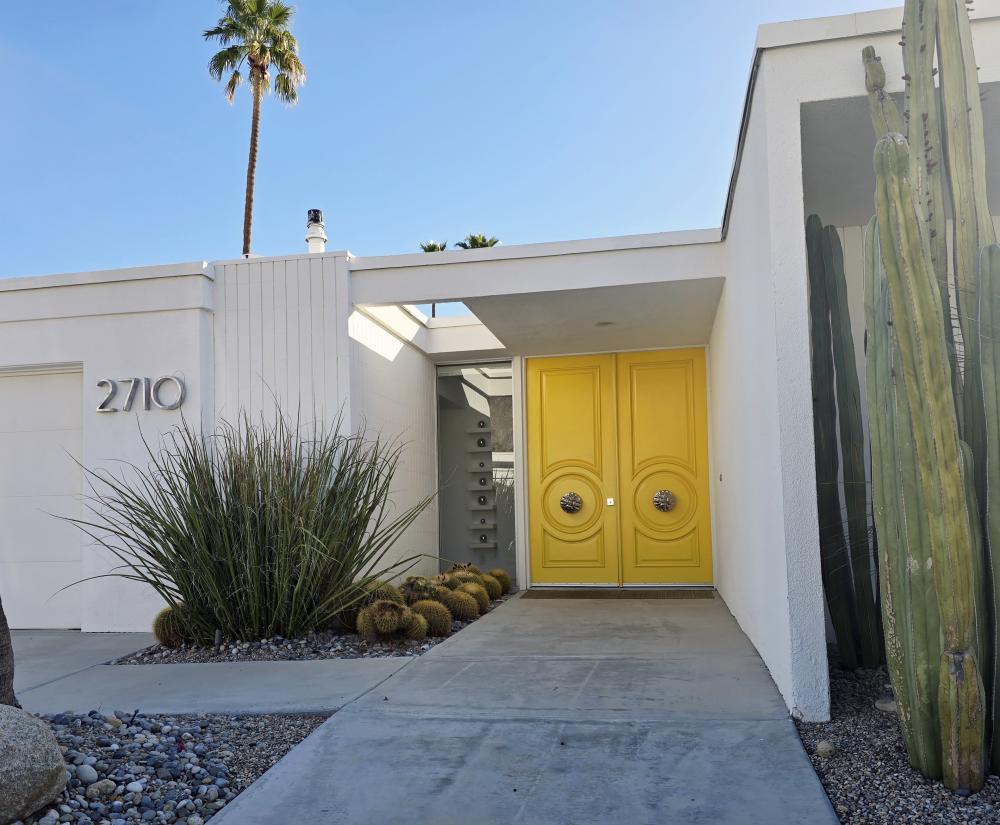
Canary Yellow
2710 Kings Road West
3 bedrooms and 2.5 baths, 2,864 square feet, built in 1969.
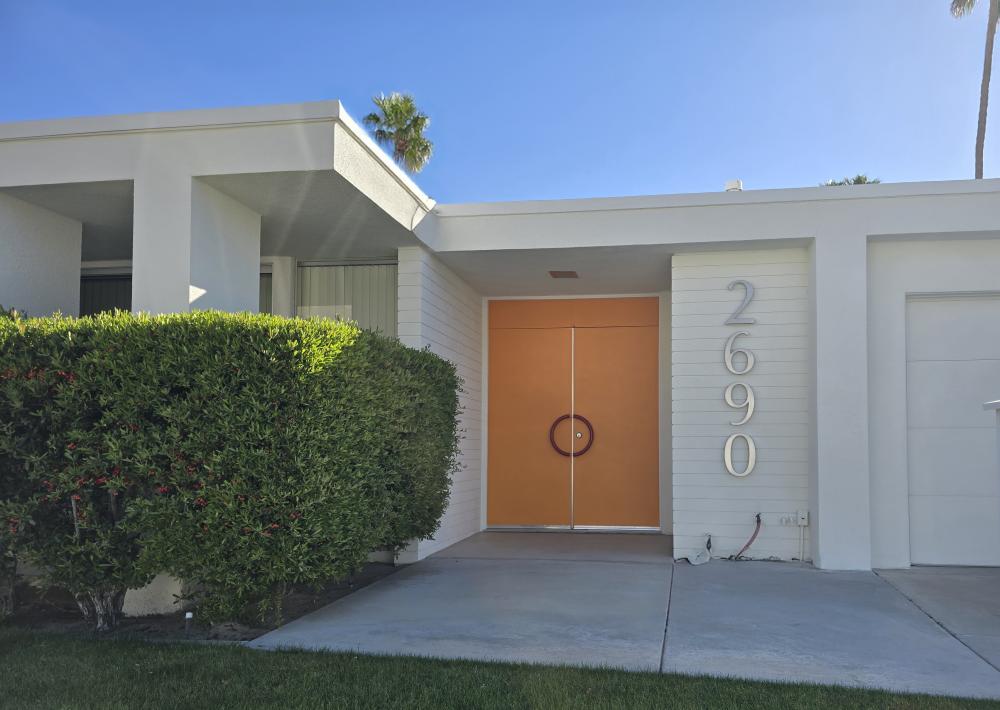
Tangerine Orange
2690 Kings Road West
3 bedrooms and 2.5 baths with 2,404 square feet built in 1968.
A few doors down on your left.
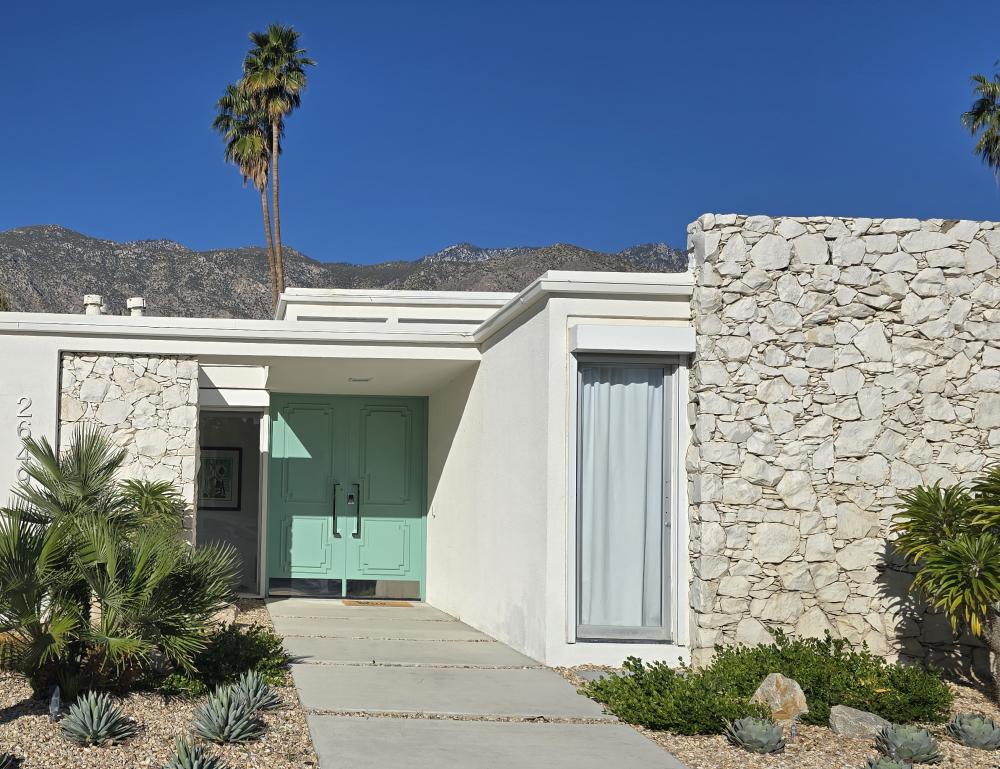
Seafoam Green
2649 Kings Road West
This is one of the largest residences, built in 1968. It has 3 bedrooms, 3 bathrooms, and 3,200 square feet of living space.
Continue to the end of the road and make a sharp right turn unto Kings Road East.
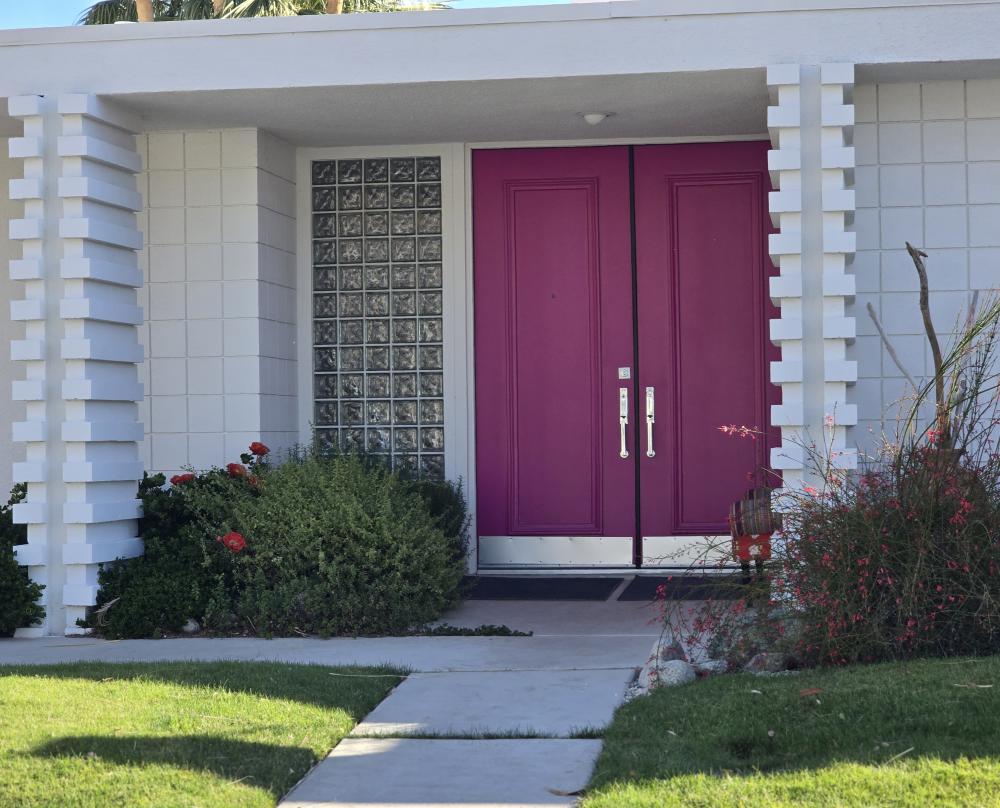
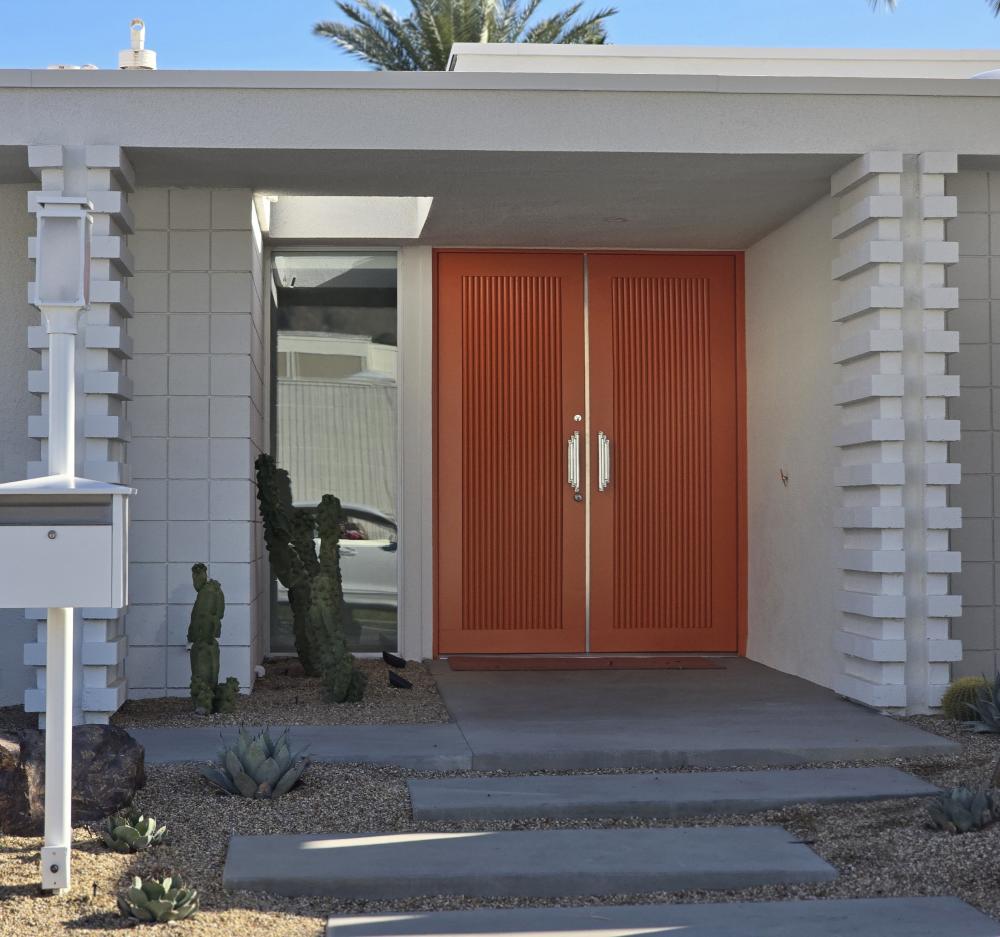
Berry Frost
2666 Kings Road East
3 bedrooms and 2.5 baths with 2,874 square feet built in 1968.
Marigold Orange
2688 Kings Road East
3 bedrooms and 3 baths with 2,899 square feet built in 1969.
Continue south to Murray Canyon Drive and turn left.
Follow Toledo Ave to Madrona Drive. It is the last street on the left before S La Verne Way.
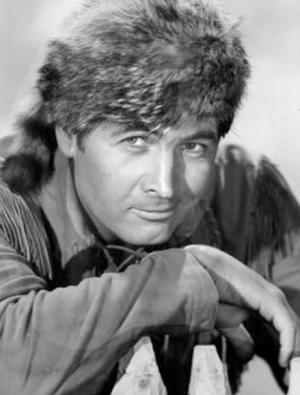
Bonus: 2514 S Toledo Ave – just past Smoke Tree Stables. This is the residence of actor Fess Parker, who portrayed Davy Crockett on Disney's Wonderful World of Color (1954-1956) and Daniel Boone (1964-1970). He lived here from 1974 to 1990.
Fuego Circle is the 4th cul-de-sac on your right.
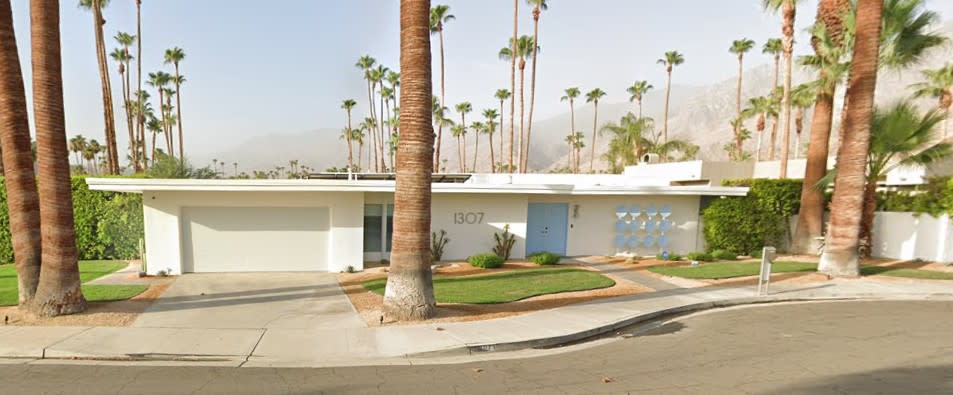
Powder Blue
1307 Fuego Circle
3 bedrooms, 2.5 baths with 2,010 square feet built in 1966.
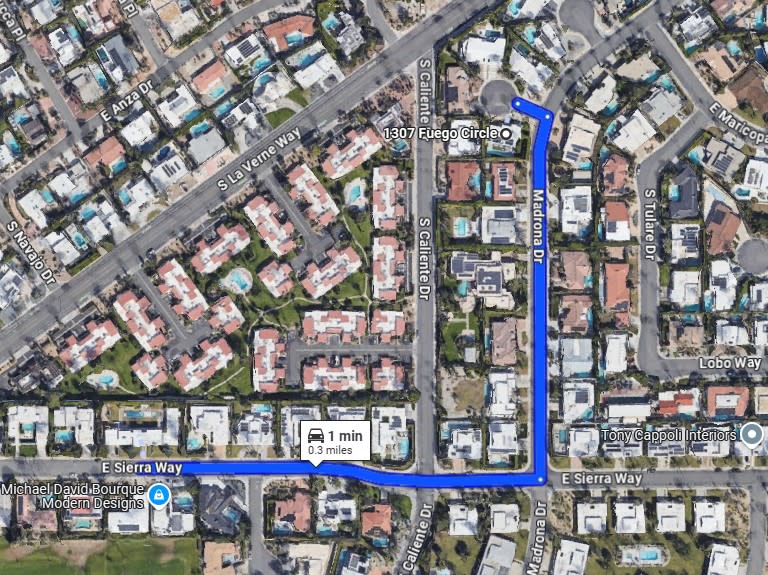
Head back to Madrona Drive and turn right. At the first cross street, turn right again onto East Sierra Way. The first residence will be on your left.
Teal Blue
1221 East Sierra Way
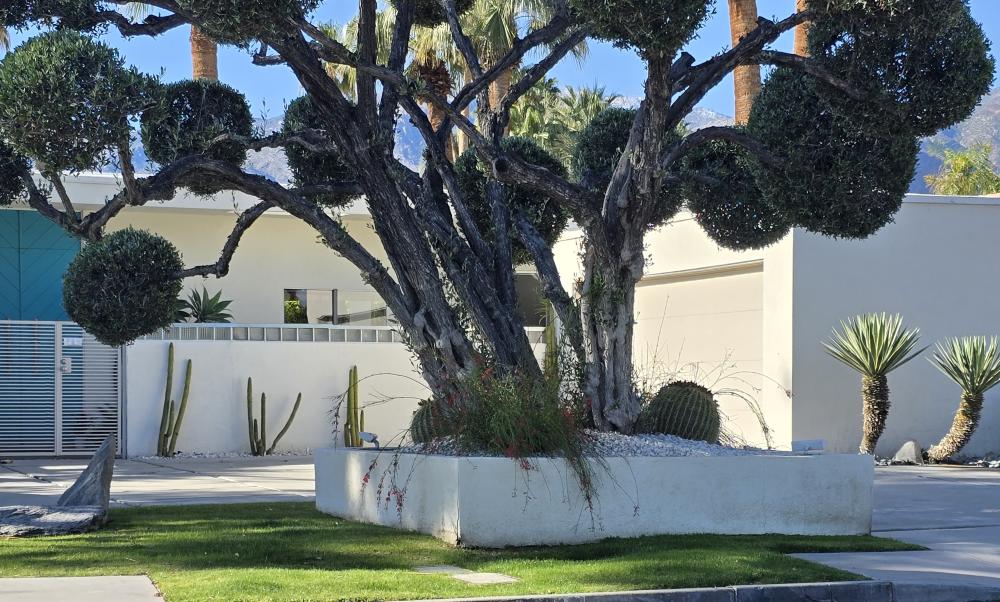
4 bedroom and 3 bath residence with 3,160 square feet built in 1971. Albert Belden Crist designed it, and although he was never a licensed architect, he was a designer and developer in Palm Springs since 1944. One of his most famous clients was Elvis Presley, for which he added a bedroom, two baths, and an exercise room to his Little Tuscany home. His father, Albert Beach Crist, was also a builder.
Bubblegum Pink
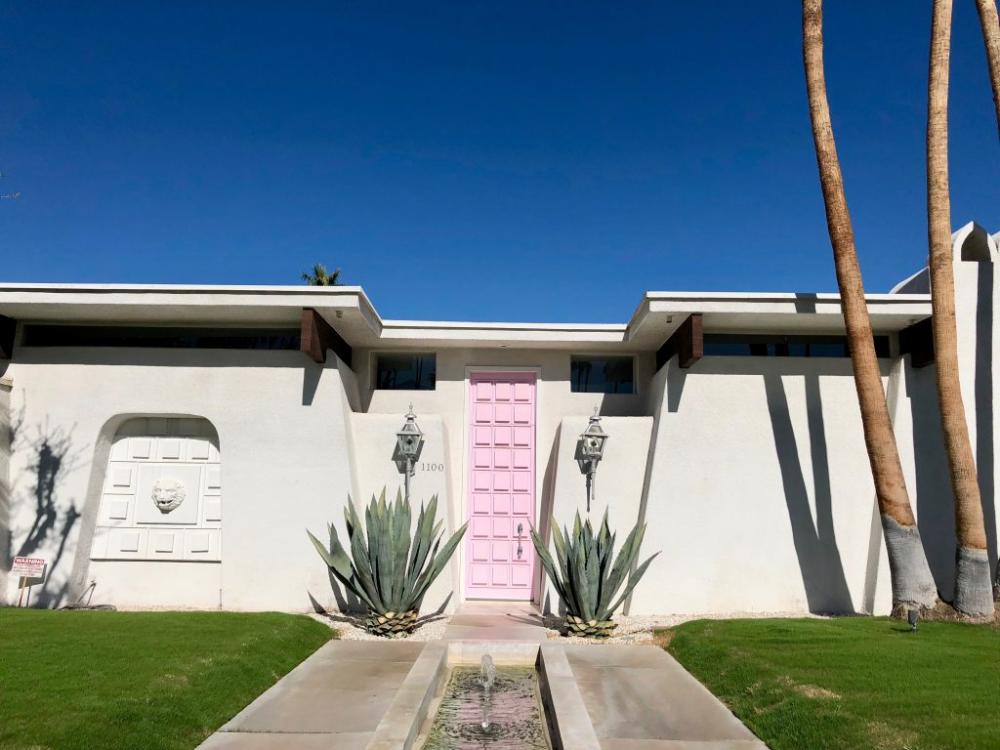
1100 East Sierra Way – Villa Sierra
4 bedrooms and 5 baths residence with 5,310 square feet built in 1974. Available for rent through Natural Retreats. It's often referred to as "That Pink Door." It was designed by James McNaughton, a TV set designer turned architect. He was also a Director of the local Opera Guild. Moises Esquenazi, an interior designer from New York who owned the house from 2004 to 2008, is credited with painting the door bubblegum pink.
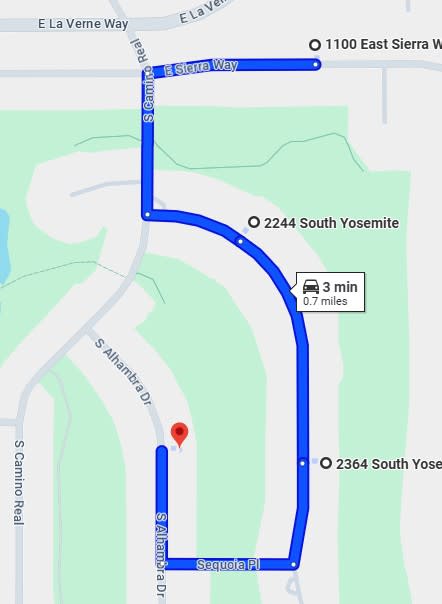
Head west on east Sierra Way toward South Camino Real and turn left.
The Indian Canyons Neighborhood:
Architecture, Landscape & Celebrity History
You are now entering one of Palm Springs’ most prestigious and architecturally cohesive midcentury neighborhoods.
Development in Indian Canyons began in the early 1960s on land once exclusively held by the Agua Caliente Band of Cahuilla Indians. The opening of Canyon Country Club in 1962 helped transform this area into a magnet for architects, builders, and Hollywood figures seeking modern desert homes.
Designed by architects such as William Krisel and Stan Sackley, and built largely by Boris Gertzen, these residences embraced fairway views, mountain sightlines, and indoor-outdoor living. The neighborhood’s wind-protected setting and expansive lots made it ideal for expressive modern design, and for doors that could stand boldly against a dramatic landscape.
Over the years, residents included film and television icons such as Fess Parker, David Janssen, Chuck Connors, William Demarest, Gene Barry, Don Adams, and Walt Disney, who even donated the fountain still enjoyed between holes 9 and 18 on the North Course.
Here, color meets celebrity, and modernism meets the desert.
Turn left on South Yosemite.
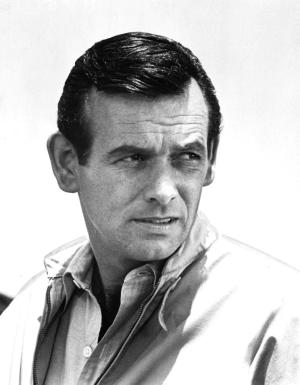
Bonus: 2220 Yosemite - Actor David Janssen owned this home in 1967. He is best known for his portrayal of Dr. Kimble on TV's The Fugitive. David was an avid golfer and played at the Canyon Country Club links in 1967 after starring with John Wayne in The Green Berets.
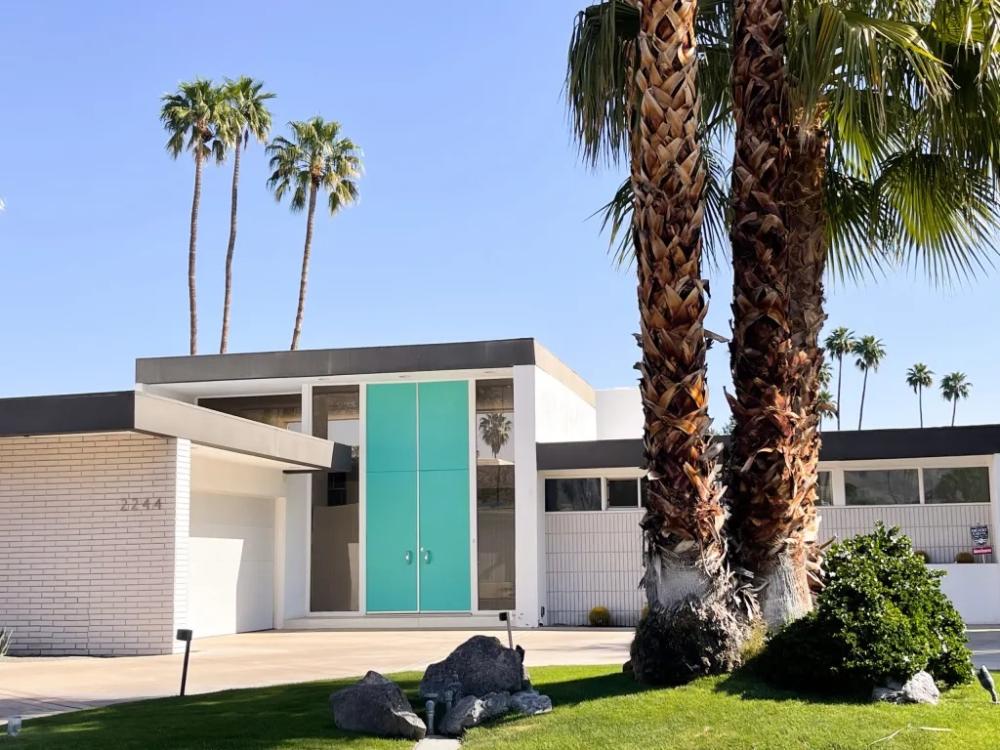
Tiffany Blue
2244 South Yosemite
4 bedrooms and 5.5 baths with 3,582 square feet built in 1965.
Bonus: 2290 Yosemite - This was the home of actor William Demarest, famous for playing Uncle Charley in My Three Sons (1960). He also played in Mr. Smith Goes to Washington (1939) and The Twilight Zone (1964). He lived in the residence with his wife, Lucille Thayer, until his death in 1983. She remained in the residence until 1997.
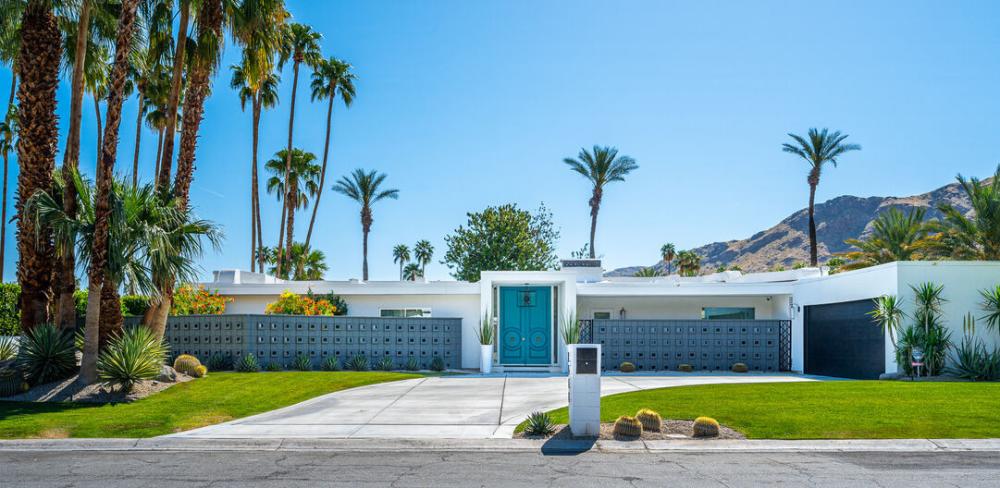
Bondi Blue
2364 South Yosemite
2 bedrooms and 3 baths, 2,758 square feet, built in 1963.
Take your first right onto Sequoia Place, then right again onto South Alhambra Drive.
2387 is the first house on your right.
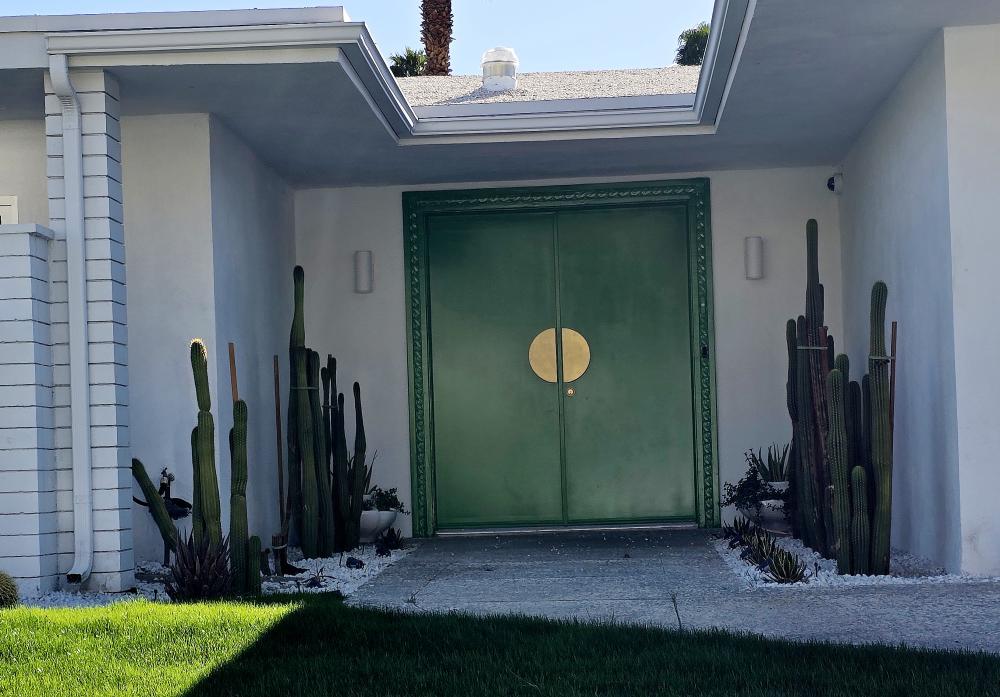
Green
2398 S Alhambra Drive
4 bedrooms and 3 baths, 2,536 square feet, built in 1963.
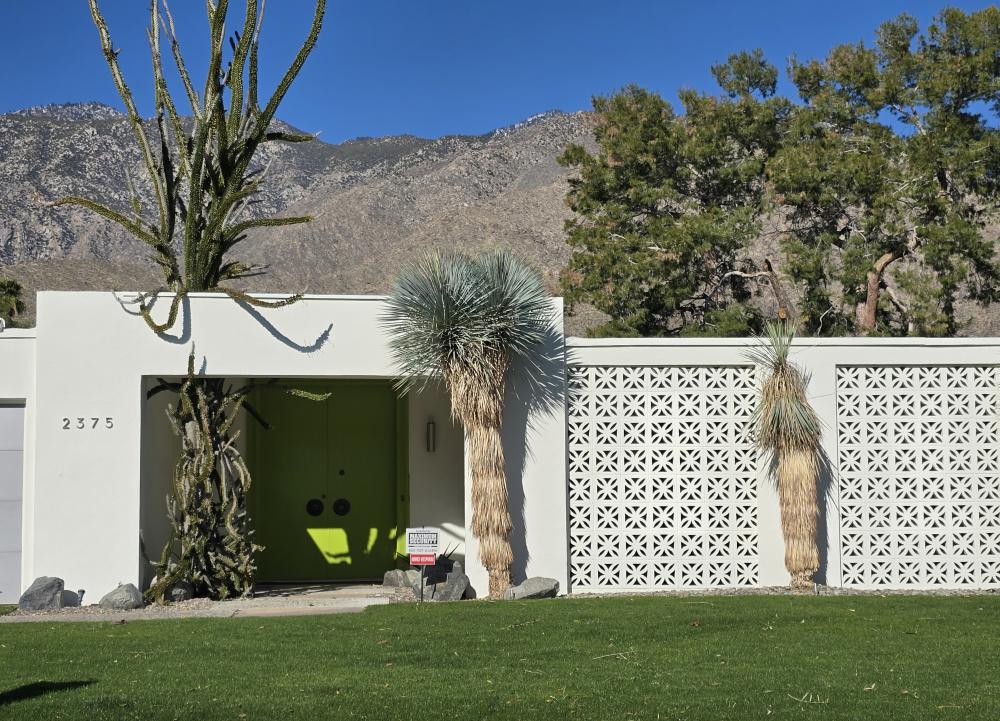
Kiwi Green
2375 S Alhambra Drive
4 bedrooms and 3 baths with 2,491 square feet built in 1963.
Bonus: 2370 S Alhambra Drive—This was the home of actor Gene Barry in the 1970s. He was known for leading roles in the 1950s, including The Atomic City and The War of the Worlds. In the 1960s, he played an American detective in Burke's Law.
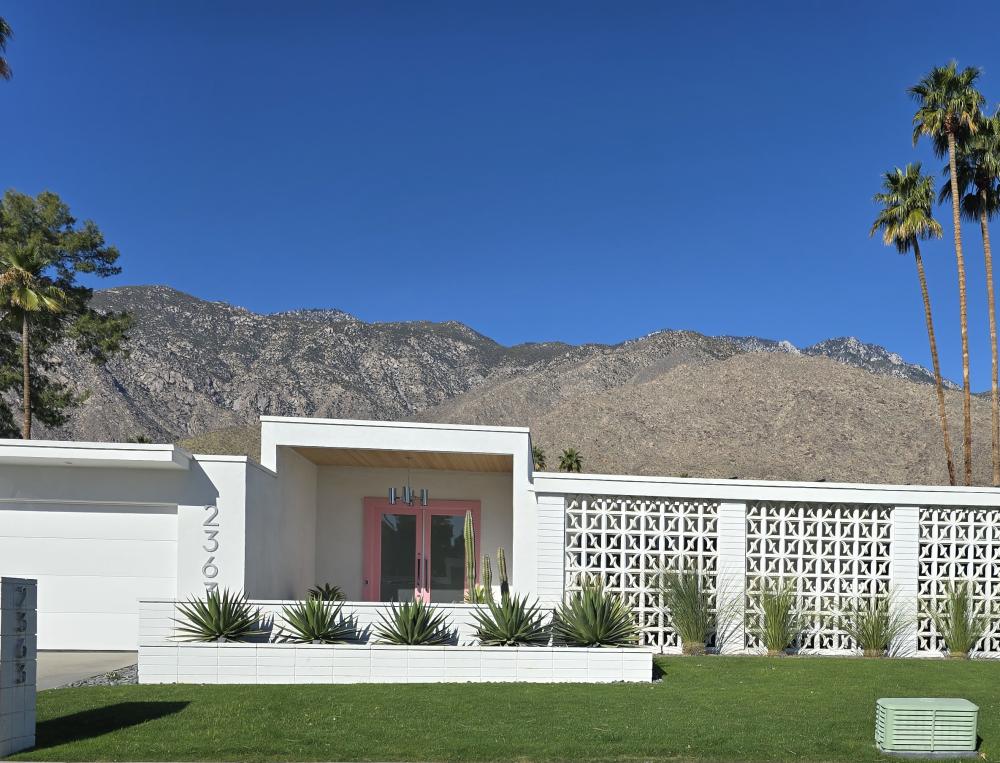
Pink
2363 S Alhambra Drive
4 bedrooms and 3 baths, 2,773 square feet, built in 1963.
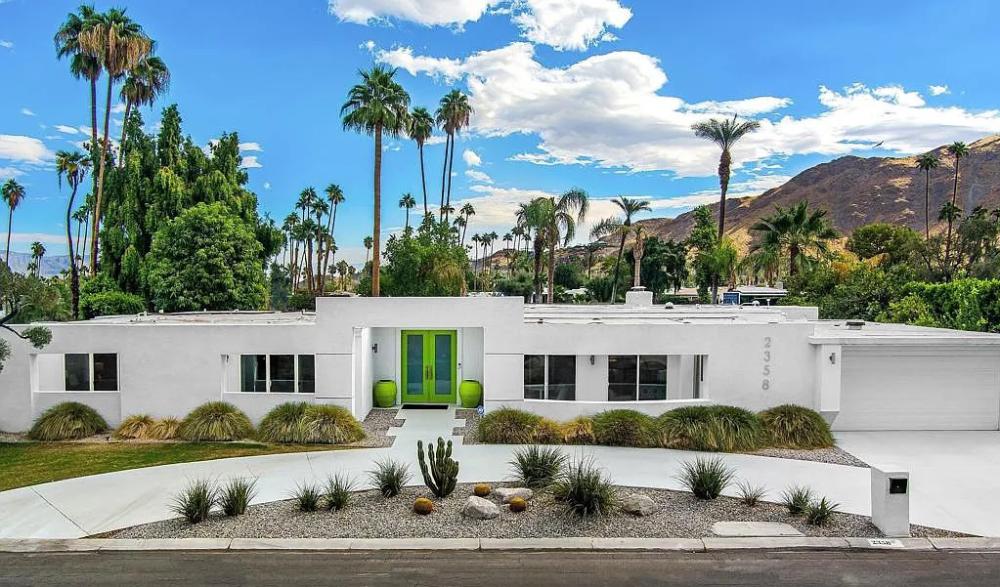
Lime Green
2358 S Alhambra Drive
4-bedroom, 3-bath home with 3,477 square feet, built in 1963.
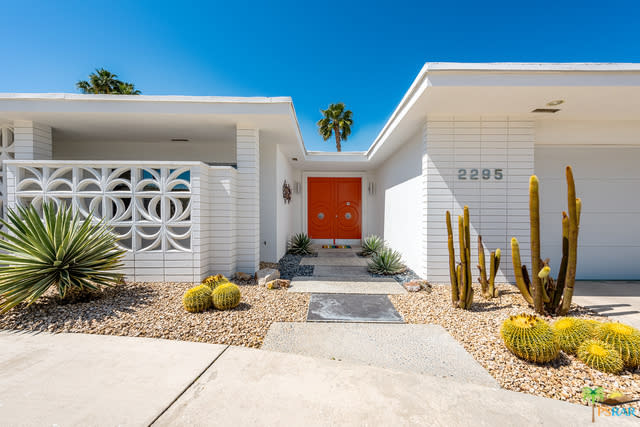
Tangerine Orange
2295 S Alhambra Drive
4 bedrooms and 4 baths with 2,948 square feet. This residence was built in 1963 and is on the west side of one of the finest blocks on the Indian Canyons Golf Course. The vintage patterned block wall in the front bedrooms offers both privacy and beautiful architectural detail. The hardware on the door is also vintage.
French Blue
2282 S Alhambra Drive
4 bedrooms and 3 baths with 2,468 square feet built in 1962. It was a model home for the design studio Vee Nisley Interiors, which included custom drapes, slipcovers, bedspreads, furniture, and accessories.
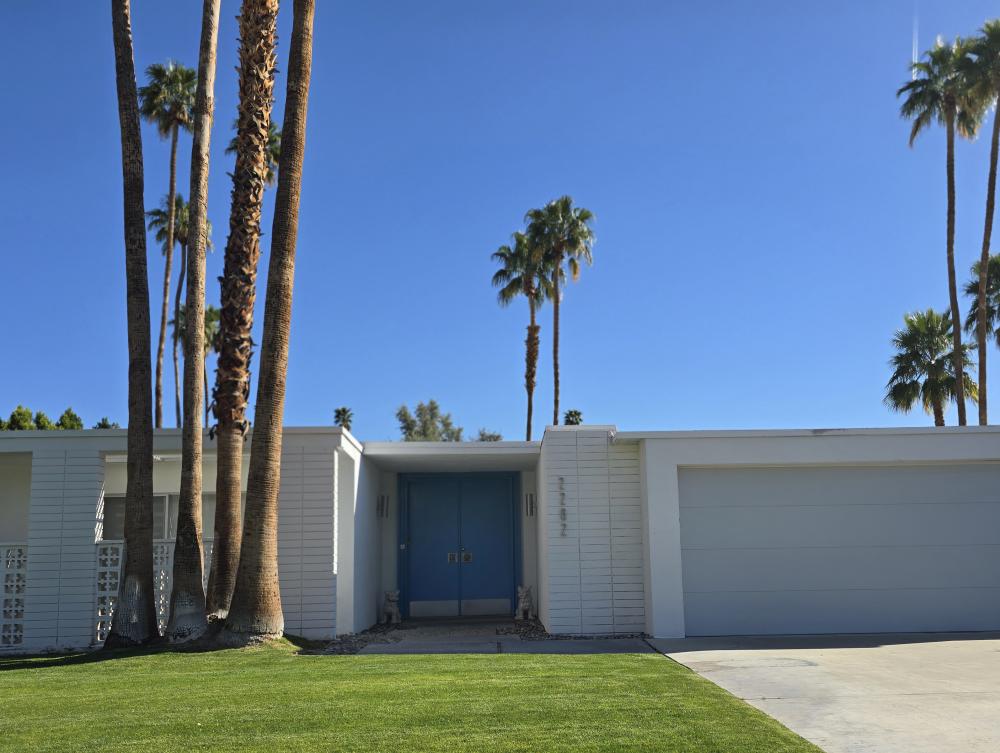
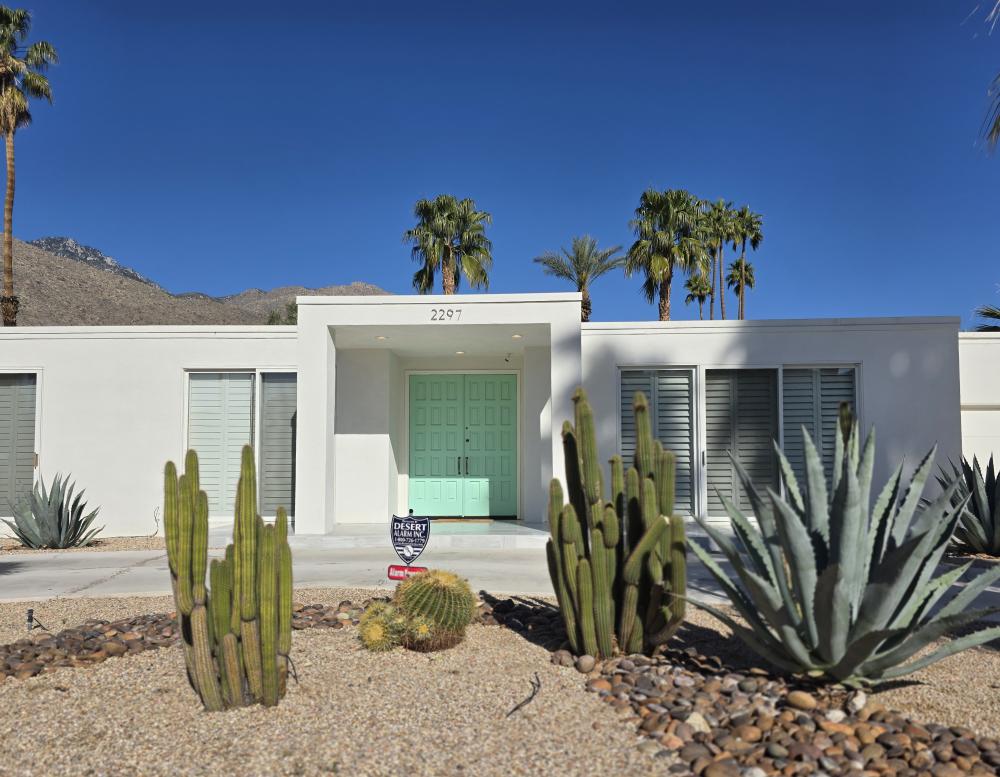
Go to South Camino Real and turn left.
Soft Mint
2297 S Camino Real
4 bedrooms and 3 baths with 2,938 square feet built in 1963.
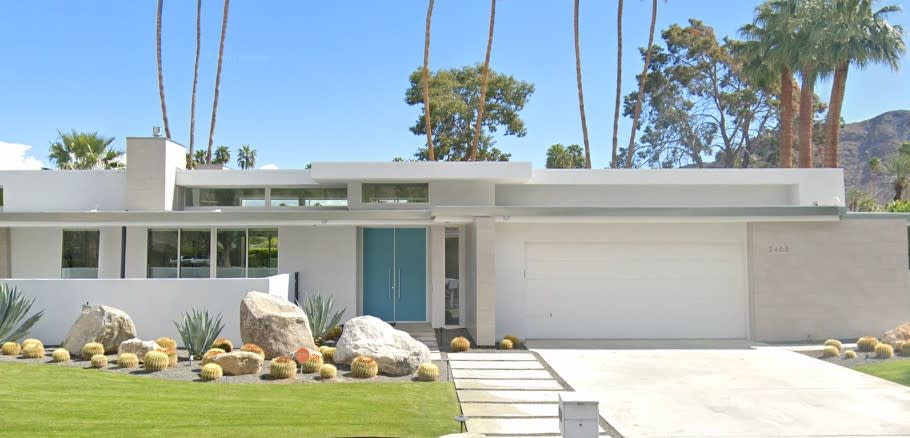
Powder Blue
2468 S Camino Real
4 bedrooms and 5 baths with 3,075 square feet built in 2013. It was designed by Jay Reynolds of OJMR Architects. It sits on the 8th fairway.
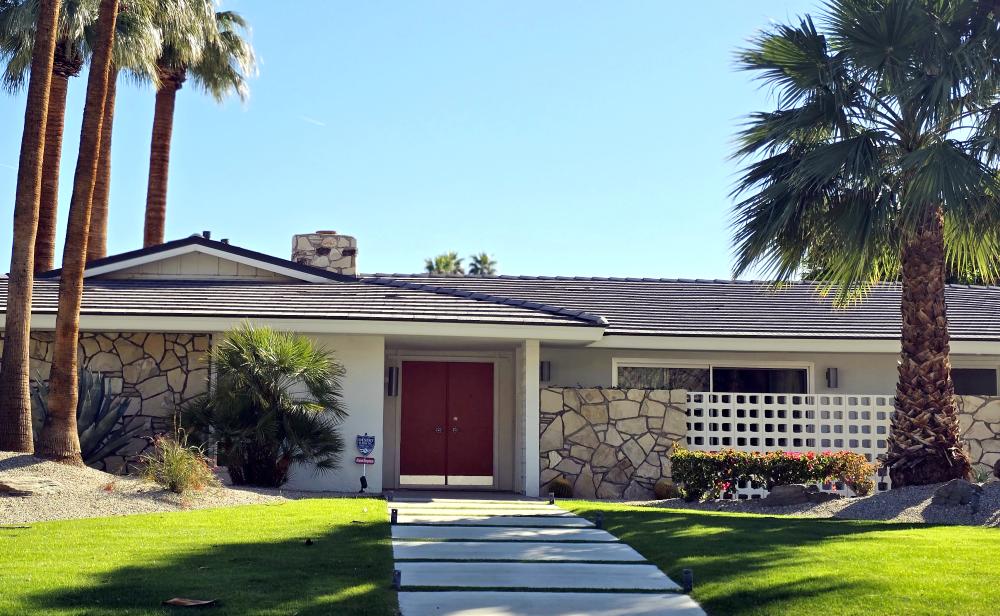
Canary Orange
2486 S Camino Real
4 bedrooms and 3 baths with 2,154 square feet built in 1962.
Bonus:
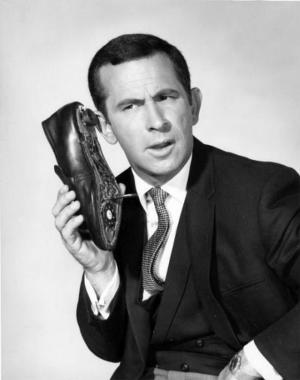
2545 S Camino Real - This was the residence of actor Don Adams, famous for his role as Maxwell Smart on Get Smart (1965-1970). He purchased the residence in 1977.
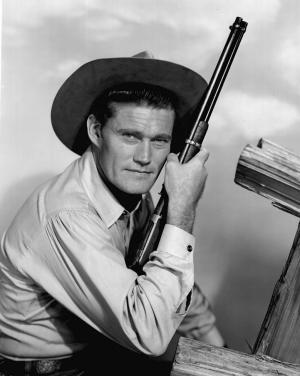
2585 S Camino Real - Actor Chuck Connors lived in this residence from 1963 to 1972. He is best known for playing the lead role of Lucas McCain in The Rifleman (1958-1963). He was an avid golfer and frequently played golf at the Canyon Country Club.
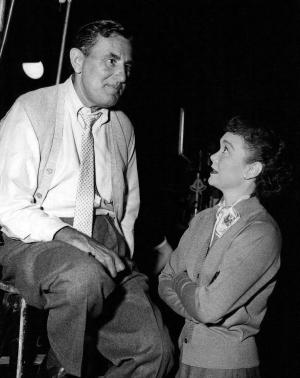
2617 S Camino Real - Director/writer Sidney Lanfield lived here until his death in 1972. He was the director of Wagon Train (1957-1958), McHale's Navy (1962-1966), and The Addams Family (1964-1966)
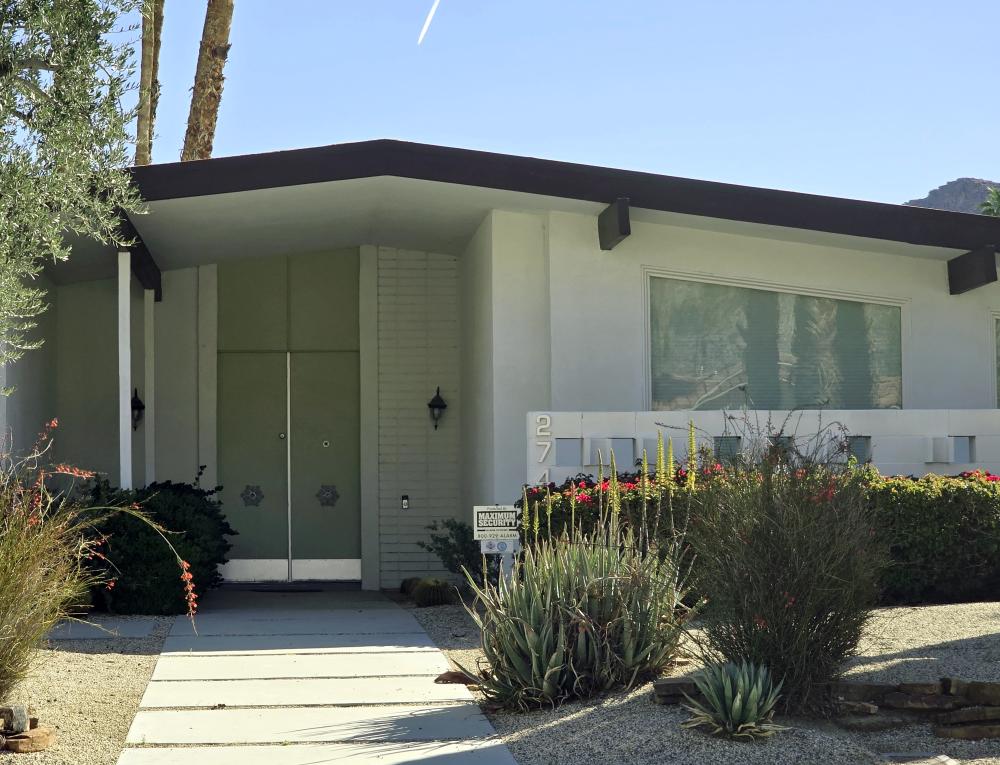
Pale Green
2744 S Camino Real
5 bedrooms and 4 baths, 3,522 square feet, built in 1962. It was once the residence of William Bendix, who moved in a year after it was built. He acted in 88 films, including The Life of Riley (1949), Blackbeard, The Pirate (1952), Overland Trail (1960), and Young Fury (1965).
Follow South Camino Real until it runs into Murray Canyon Drive, where the tour began.
Palm Springs Colored Door Tour Ends.
As South Camino Real curves back into Murray Canyon Drive, your tour comes full circle, revealing how a simple design detail can open the door to a deeper architectural story.
If this tour sparked your interest in Palm Springs architecture, here is a list of other self-guided tours.
Other tours:
- Architecture Tours
- Desert Tasty Tour
- Frey House II Tours
- Palm Springs Art Walking Tour: Museums, Galleries & Public Art Downtown
Palm Springs Colored Door Tour FAQ
Is the Palm Springs Colored Door Tour guided?
No. This is a self-guided tour, meaning you explore at your own pace using the route provided. It’s ideal for visitors who enjoy discovering neighborhoods independently, stopping for photos, and pairing the experience with coffee, lunch, or other nearby attractions.
Where is the Colored Door Tour located?
The tour is primarily located in South Palm Springs, focusing on the Kings Point community and the Indian Canyons neighborhood—two areas known for their strong concentration of midcentury modern and Desert Modern architecture.
How long does the tour take?
Most visitors spend 1.5 to 3 hours, depending on whether they bike, drive, or explore portions on foot. Many people choose to break the tour into sections or combine it with nearby dining, hiking, or museum visits.
Is the Colored Door Tour walkable?
Some clusters are walkable, but the full route is best experienced by bike or car due to the distances between neighborhoods. Biking is especially popular and aligns well with Palm Springs’ flat terrain and scenic streets.
What is the best time of day to do the tour?
Morning offers softer light and cooler temperatures, while late afternoon delivers dramatic shadows and rich color contrast on doors and facades. Midday is brightest but can be very warm in the summer months.
Are the colored doors original to the homes?
Many of the homes date to the 1960s and early 1970s, and while door colors may change over time, the tradition of using bold, expressive doors is deeply tied to Palm Springs’ Desert Modern aesthetic, which embraced individuality, contrast, and playful design.
Why are colorful doors so common in Palm Springs?
Colorful doors emerged alongside Palm Springs’ midcentury building boom. They provided visual contrast against neutral modernist exteriors, allowed seasonal homeowners to personalize similar floor plans, and reflected the postwar optimism and design freedom that defined the Desert Modern movement.
Can I take photos at the doors?
Yes — from the public sidewalk only. These are private homes, and visitors are asked not to step onto the property, touch doors, or pose directly in front of them. Respecting residents’ privacy helps preserve this experience for everyone.
Is this tour good for architecture lovers?
Absolutely. While visually playful, the tour passes through historically significant neighborhoods designed by architects such as William Krisel and shaped by the same development era that produced Palm Springs’ most iconic modernist landmarks.
Is the tour family-friendly?
Yes. This tour is suitable for all ages and works well for families, couples, and groups. It’s stroller-friendly in many areas and can be customized to shorter loops.
👉 Palm Springs on Wheels: Classic Cars, Midcentury Style & Desert Drives