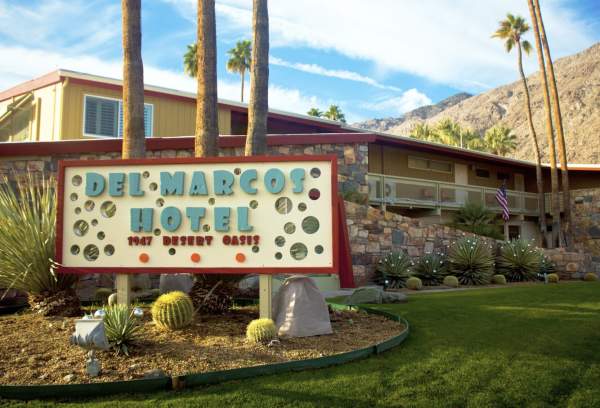
Postwar Desert Modernism, Organic Architecture, and a Palm Springs Legacy
Hugh Kaptur occupies a distinctive and increasingly recognized place in the architectural history of Palm Springs. Working alongside — and often in the shadow of — better-known contemporaries such as William F. Cody, Donald Wexler, Albert Frey, and E. Stewart Williams, Kaptur nonetheless helped shape the city’s postwar identity through a prolific body of residential, commercial, and civic work spanning more than five decades.
Born in Detroit, Michigan, Hugh Kaptur grew up in a household steeped in industrial design and engineering. His father was a designer-engineer for both Packard and General Motors, influences that would later surface in Kaptur’s emphasis on proportion, efficiency, and structural clarity. Kaptur himself worked briefly in General Motors’ styling division before studying architectural engineering at the Lawrence Institute of Technology in Detroit. In 1951, his education was interrupted by service in the United States Marine Corps.
Kaptur first arrived in Palm Springs in 1954 and relocated permanently in 1956, drawn by the region’s building boom and emerging modernist experimentation. He worked briefly for the firm Wexler & Harrison but was laid off during the 1957 recession. The setback proved temporary. By 1958, large-scale residential development was accelerating throughout Palm Springs, and Kaptur began designing post-and-beam homes that responded directly to the desert climate, material economy, and informal indoor–outdoor living patterns that defined the era.
In 1963, Kaptur partnered with licensed architect Robert Ricciardi, a collaboration that led to the commission for Palm Springs Fire Station #3. Although Kaptur would not receive his California architecture license until 1966, his role as designer was already well established. After his partnership with Ricciardi ended in 1965, Kaptur formed a decade-long professional association with Larry Lapham, the son of architect Howard Lapham. A later collaboration with James Cioffi preceded his semi-retirement in 1992.
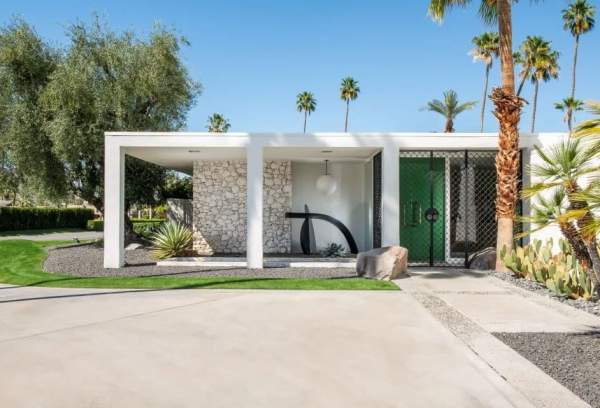
Architecturally, Hugh Kaptur is best known for two related but evolving design approaches. His early work emphasizes post-and-beam construction, clarity of structure, and disciplined proportions — architecture that is deliberately understated rather than theatrical. Over time, his work increasingly embraced an organic modernism influenced by desert and Southwestern precedents, particularly those of Arizona. Thick masonry walls, deeply recessed windows, wide protective overhangs, and buildings carefully oriented to mitigate heat gain became hallmarks of his mature work.
Across more than 200 built projects — residential, commercial, and institutional — Kaptur played a significant role in shaping Palm Springs’ midcentury and late-modern architectural landscape. His contributions extend beyond private homes to include hotels, civic buildings, golf clubhouses, condominium communities, and major commercial complexes.
In 2014, Hugh Kaptur received a Palm Star on the Palm Springs Walk of Stars, a recognition of the growing appreciation for his work. He has also been honored repeatedly during Palm Springs Modernism Week, where his buildings are now studied, toured, and contextualized within the broader narrative of desert modernism.
Key Works in Palm Springs
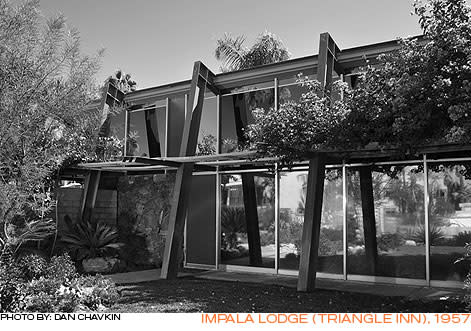
Impala Lodge (1958), 555 East San Lorenzo Road
Hugh Kaptur’s first Palm Springs project, now known as the Triangle Inn, introduced a sophisticated yet compact hospitality design. The nine-unit lodge featured a dramatic lobby and family room enclosed by plate glass and steel, rising to a height of 15 feet and signaling Kaptur’s early command of volume and transparency..
Arthur Boyer Residence (1959), 984 North Rose Avenue
Located in Vista Las Palmas, this 1,600-square-foot residence reflects the emerging tract-modern vocabulary adapted for individual clients.
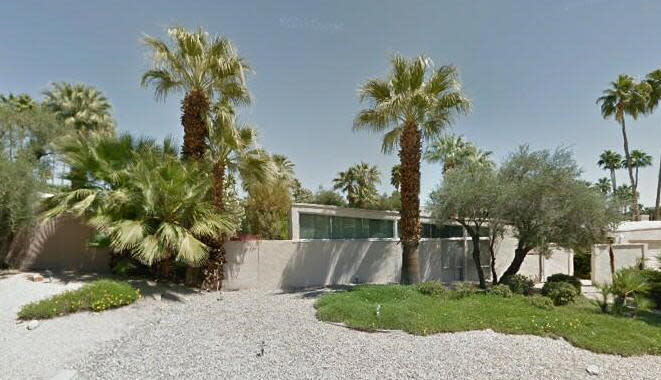
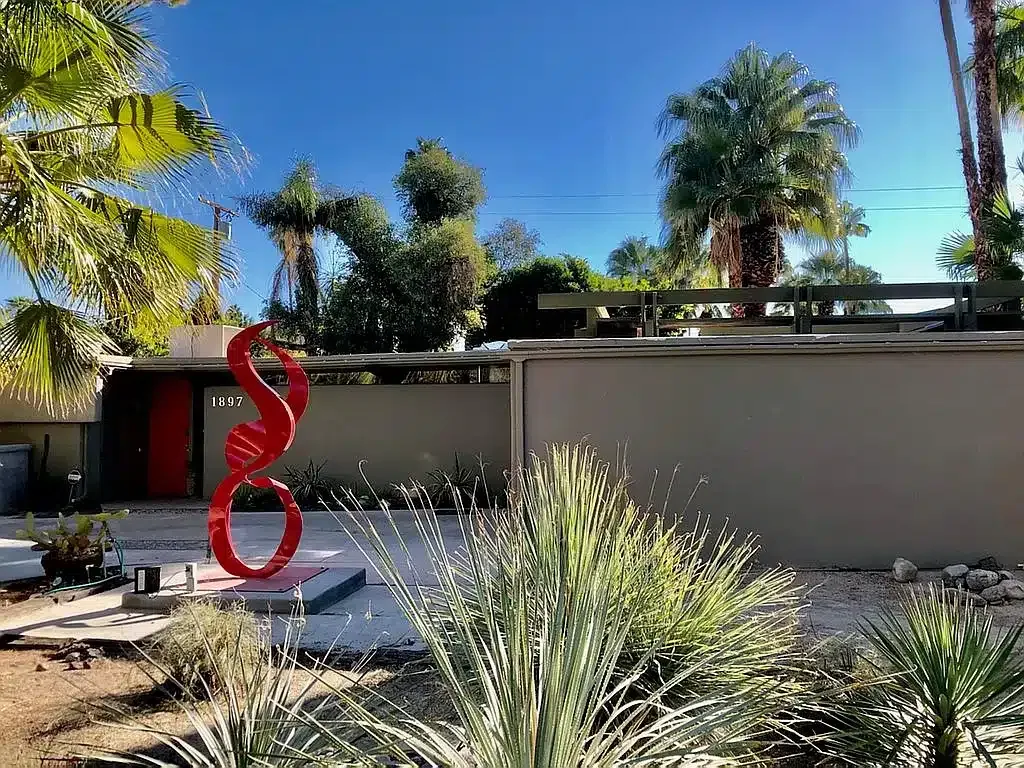
Hugh Kaptur Residence (1958), 1897 East Belding Drive
Kaptur’s own Sunrise Park home demonstrates his post-and-beam approach at a modest scale, located near William Cody's residence. It has 4 bedrooms, 2 bathrooms, and is 1,597 square feet.
The William Burgess Residence (1958), 550 Palisades Drive.
Designed in collaboration with William Burgess, this acre-sized property is notable for its integration with the landscape and the bougainvillea that frames the architecture. It is 2,932 square feet and has 4 bedrooms and 2 baths.
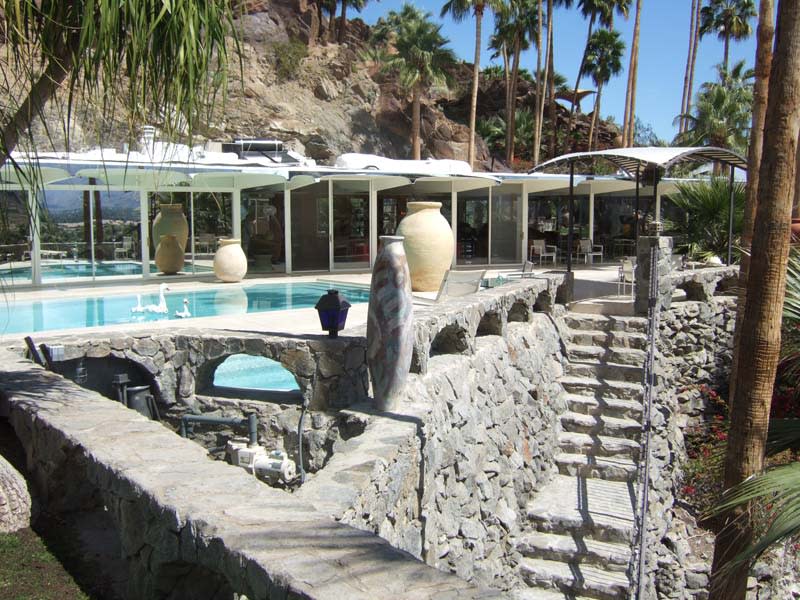
McCauley Residence (1958), 1366 S. Calle Rolph.
Located in the Deepwell Estates neighborhood, this 2,136-square-foot home has 3 bedrooms and 4 bathrooms.
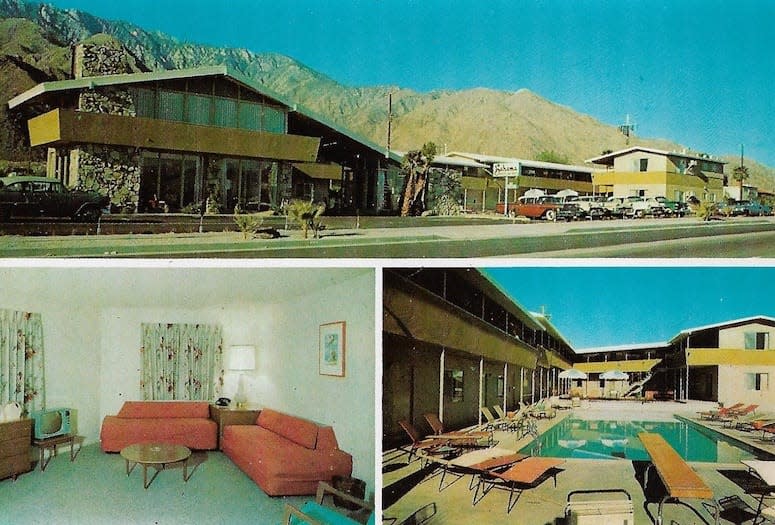
Bahama Hotel & Apartments (1959), 2323 N. Palm Canyon Drive.
This opened as a two-story, 30-room hotel with air conditioning and TVs in every room. The owner was Kaptur’s wife's aunt at the time. This is now The Cole Hotel.
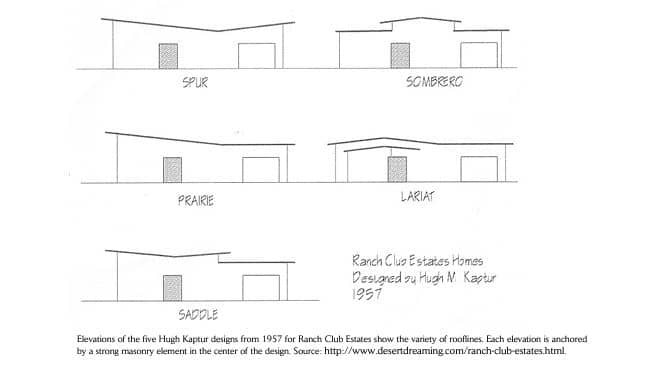
Desert Park Estates (1958)
Tom Sills and the Ranch Construction Company developed them. The houses in this development had 5 model designs: Saddle, Sombrero, Spur, Lariat, and Prairie.
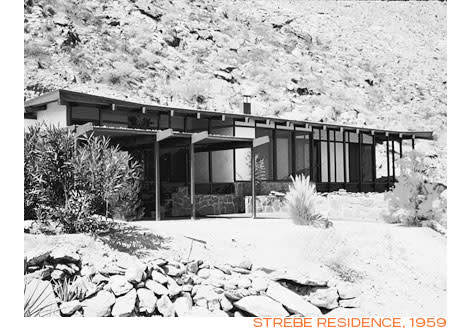
Earl Strebe Spec Residence I (1959), 1951 South Camino Monte
This 1,937-square-foot home has 3 bedrooms and 3 bathrooms. It is located in The Mesa neighborhood. It is one of the finest examples of modern hillside architecture. Earl Strebe owned the first local theaters in Palm Springs. He was the brother of George Strebe, who opened The Doll House (1032 N. Palm Canyon, demolished) restaurant.
This has been remodeled and is a vacation rental called On The Rocks. It has 3 bedrooms, 4 baths, and is 2,684 square feet.
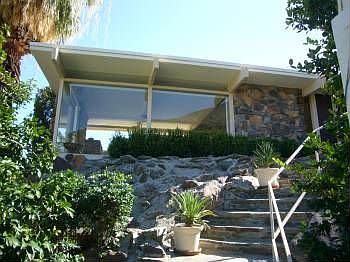
Earl Strebe Spec Residence II: (1959), 1935 South Camino Monte
This is a 1,500 square foot home with 2 bedrooms and 2 bathrooms.
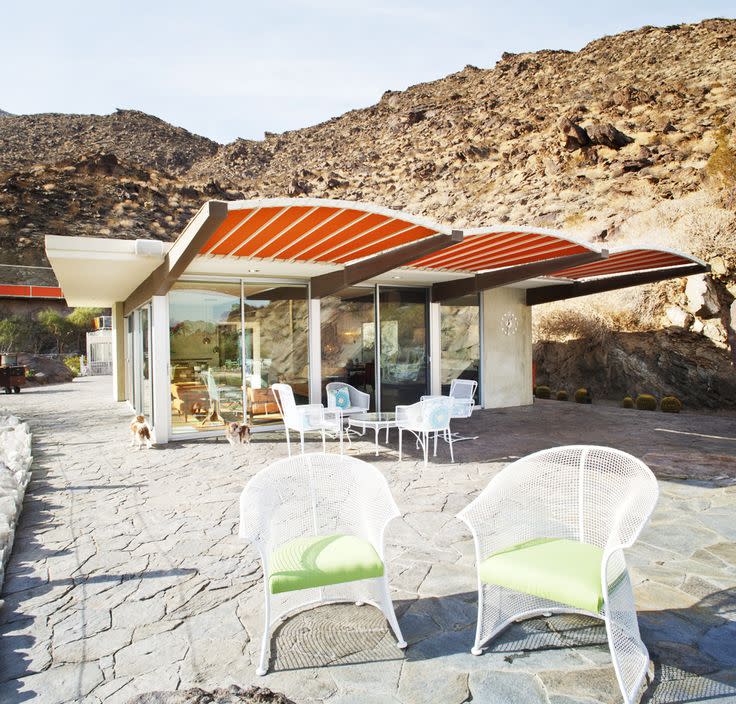
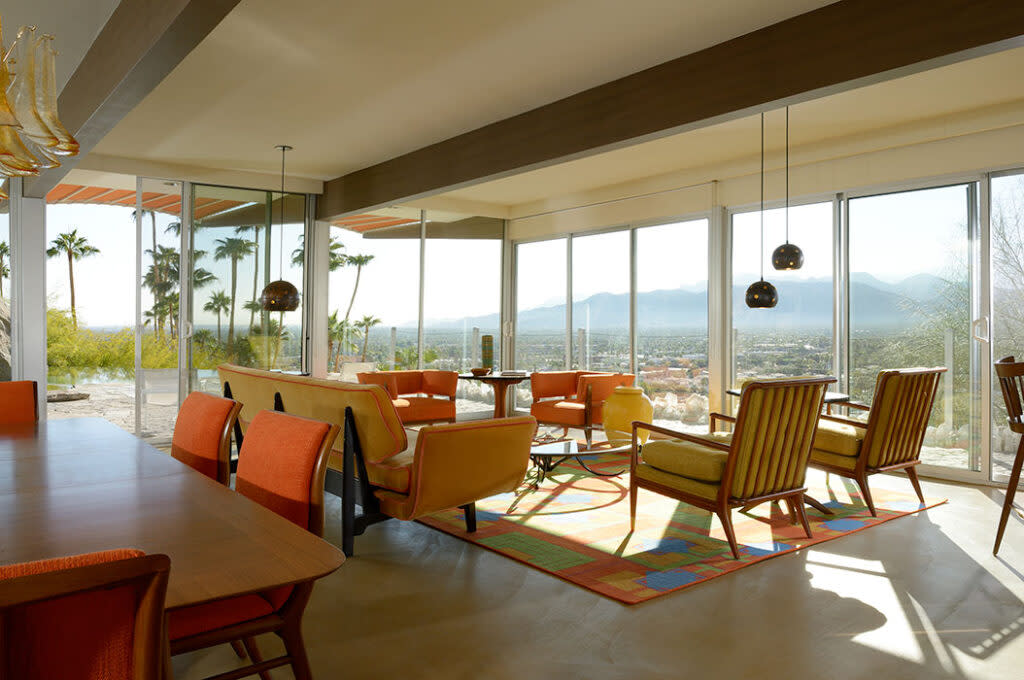
Pete Siva Residence (1959), 660 Palisades Drive
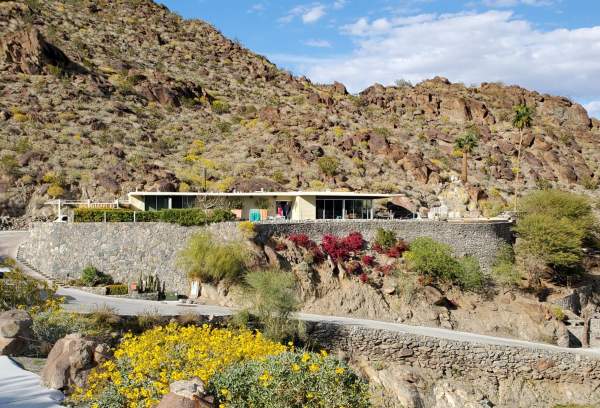
Simplicity is part of the feat. What could have been a showpiece on a showy strip of land beside the San Jacinto Mountains, Kaptur scaled modestly. With glass sides, the post-and-beam home seems to disappear, save for the orange sunshades Albert Frey added when he lived next door. A 3,000-square-foot flagstone terrace hugs the mountain and wraps around the house, creating opportunities for patio dining and view-gazing over the valley.
Ralph Breeden Residence (1959), 2995 N. Chuperosa Road
This modest 1,396-square-foot home features 3 bedrooms and 2 bathrooms, situated in the Desert Part Estates neighborhood. It was featured in Atomic Ranch magazine during Modernism Week. It was fully renovated in 2018 while preserving the original architecture's context.
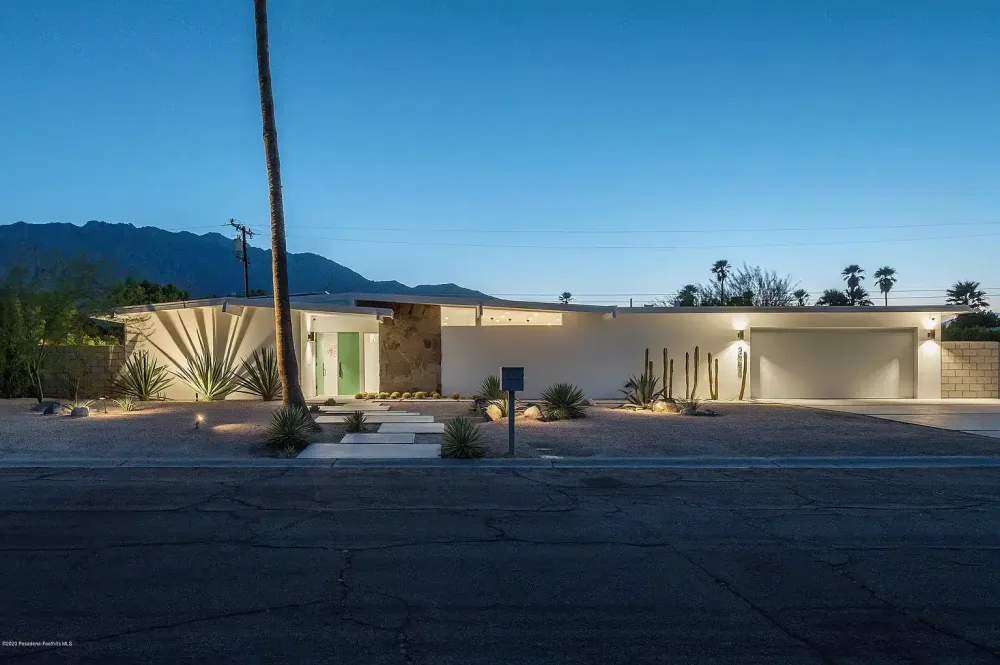
Werner Hogback Residence (1960), 1577 Calle Marcus
This home is located in the Deepwell Estates neighborhood. Hogback was a local developer. It is 2,093 square feet with 3 bedrooms and 3.5 bathrooms. The house is a study of Hugh Kaptur's design: masonry, exposed beams, walls of glass, floating rooflines, geometric angles, and expansive interior spaces. It has been lovingly restored and maintained, and Hugh Kaptur approved it.
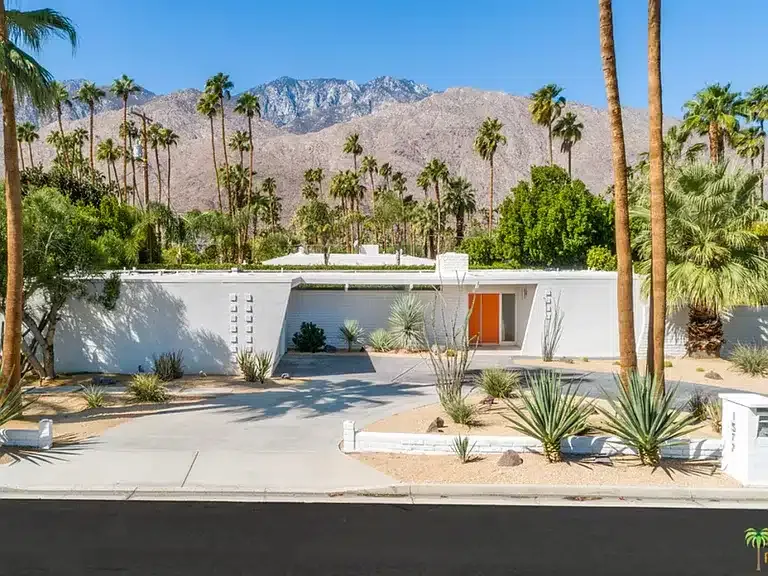
Larry Gee Residence (1961), 2302 West Nicola Road
This is a 1,444-square-foot home with 3 bedrooms and 2 bathrooms. It is located in the Desert Park Estates neighborhood.
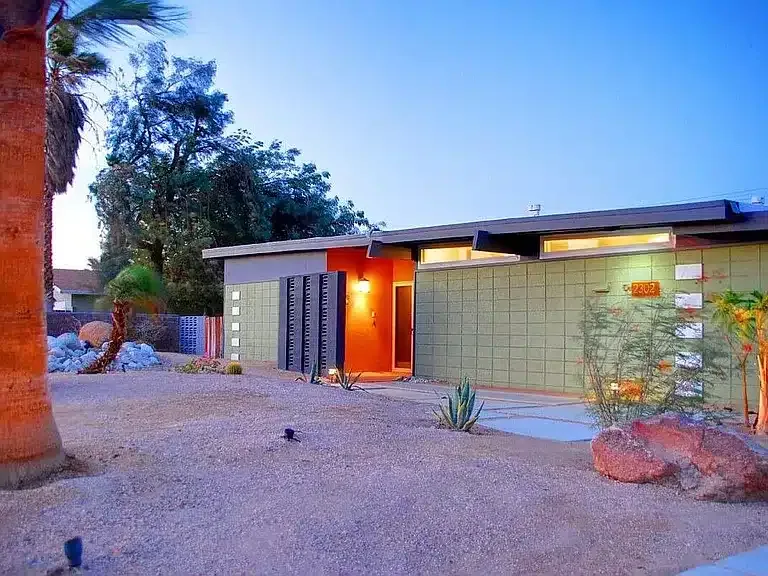
Richard Gillian Residence (1961), 2755 Verona Road
A 2,040 square foot home with 4 bedrooms and 2.5 baths. It was featured in the 2018 Palm Springs Modernism Week Home Tour.
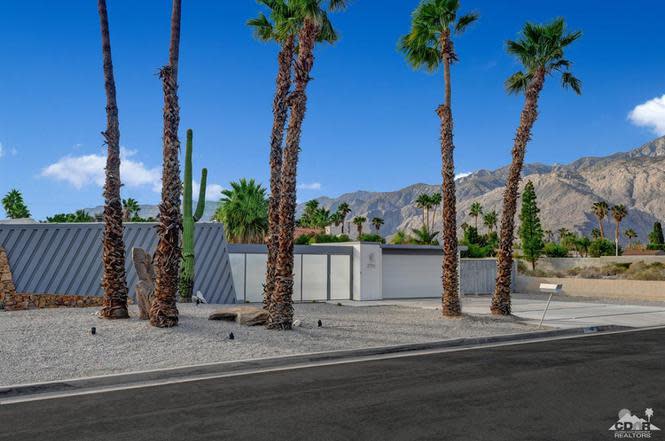
Noel Gillette Residence II (1963), 1033 East Via Colusa
This large 6,083-square-foot home boasts 5 bedrooms and 4 baths. It sits on 0.83 acres and is located in The Movie Colony, near the Twin Palms Frank Sinatra Estate.
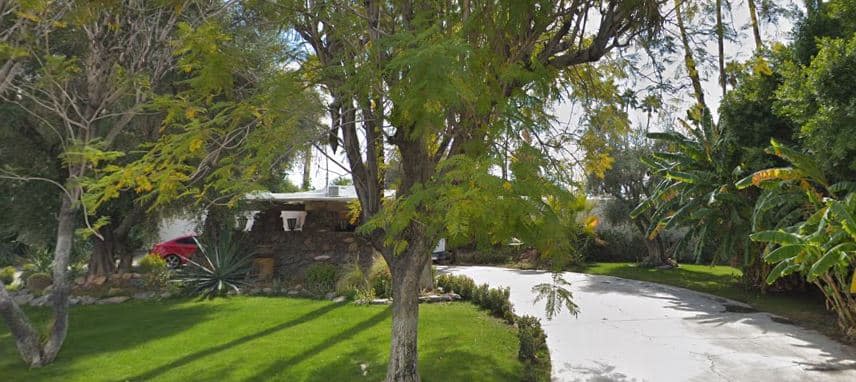
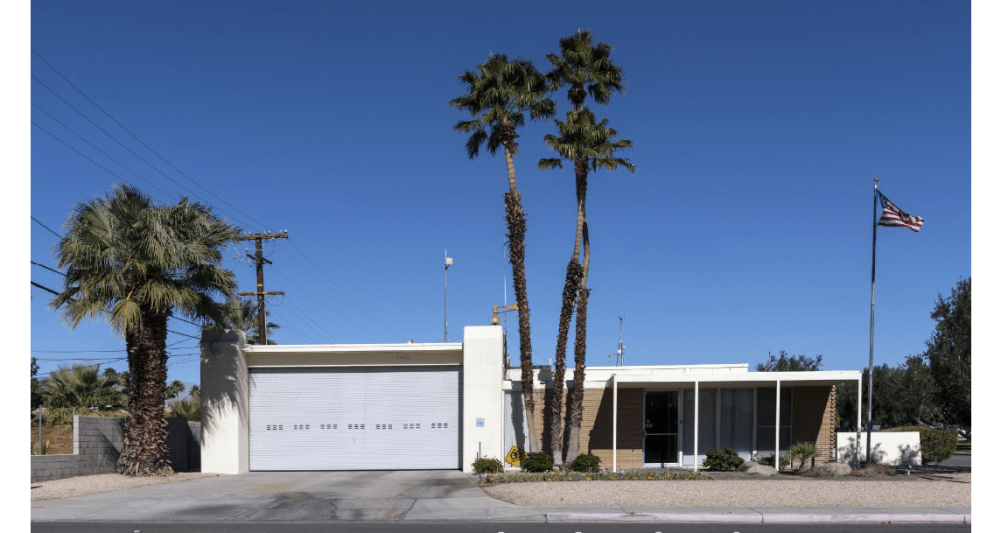
Palm Springs Fire Station #3 (1963), 590 E. Racquet Club Road.
Partnering briefly with architect Robert Ricciardi.
Steve McQueen Residence (1964), 2203 Southridge Drive
The Broadway song publisher Edwin Morris originally owned this. It was a sizeable speculative house built in the Southridge subdivision. Kaptur added a carport and covered walkway, among other changes. It was sold to Steve McQueen in 1969, and he had it until his death in 1980. It is 4,493 square feet with 4 bedrooms and 5 bathrooms. Neighbors were Bob Hope and William Holden. The exterior is a joining of two glass boxes framed in steel, while walls of glass windows open up the space and provide spectacular views of the desert valley, the surrounding mountains, and the city's lights. The interior has cypress paneling, a floating staircase, and a three-stall carport.
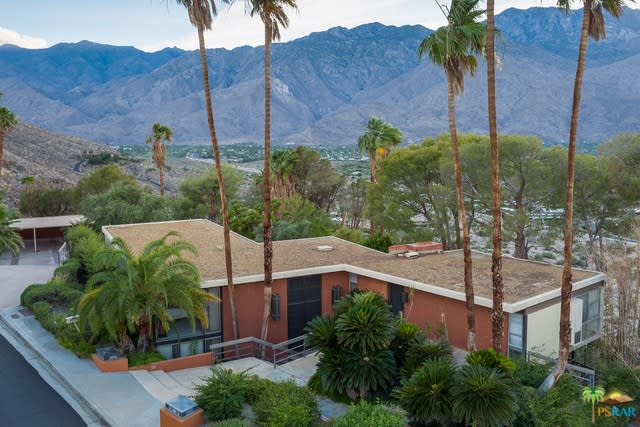
Thomas Griffin Residence (1964), 521 W. Via Lola
This is a large 5,922-square-foot home with 5 bedrooms and 6 baths in the Old Las Palmas neighborhood. It sits on 1/2 acre of land. The home's focus is its spectacular pool/spa and sundecks with mountain views, accessed from every principal room.

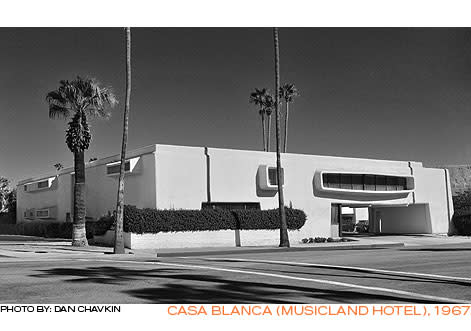
Casa Blanca Motor Hotel (1967), 1342 South Palm Canyon Drive
Now, Musicland Hotel has 43 guest rooms.
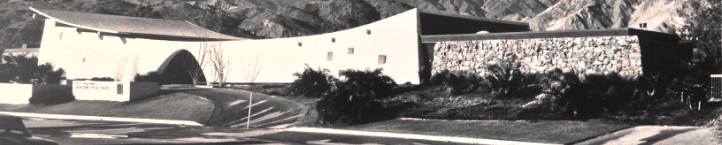
Tahquitz Creek Golf Resort Clubhouse: (1967), 1885 Golf Club Drive.
It is considered a Pueblo-inspired modernist architecture style. The shape is similar to the Pearl Harbor Memorial. The course was originally opened on October 18, 1959. The clubhouse was dedicated on November 2, 1967. Large beams set at angles give the restaurant's roof the curve of a golfer's swing. At the top, clerestory windows flood the interior with light. A breezeway roof connects the restaurant to the pro shop. It, too, has windows that open to the sky, letting in the desert light while still providing plenty of shade.
"Since the clubhouse was in the direct flight path of airliners landing in Palm Springs, the roof was as important to me during the design as the elevations. I wanted it to look clean and efficient." - Hugh M. Kaptur.
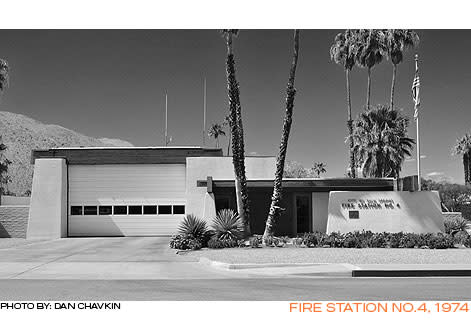
Palm Springs Fire Station #4 (1971), 1300 S La Verne Way
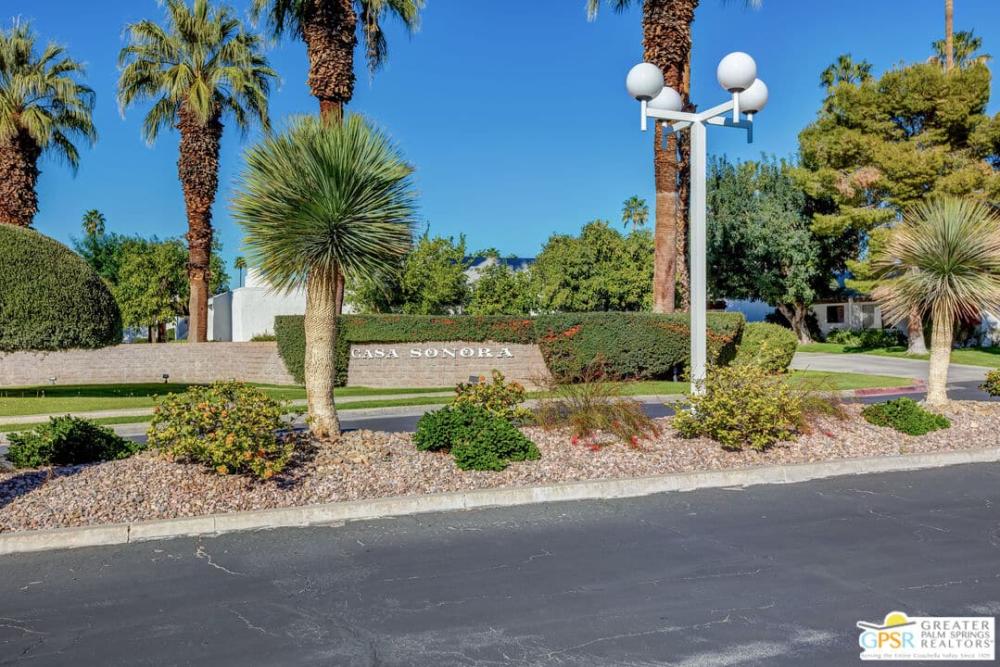
Platt and Welmas Condominiums (1973).
They are now known as the Casa Sonora Condominiums; the 60-unit complex is situated near the Saguaro Hotel on leased land.
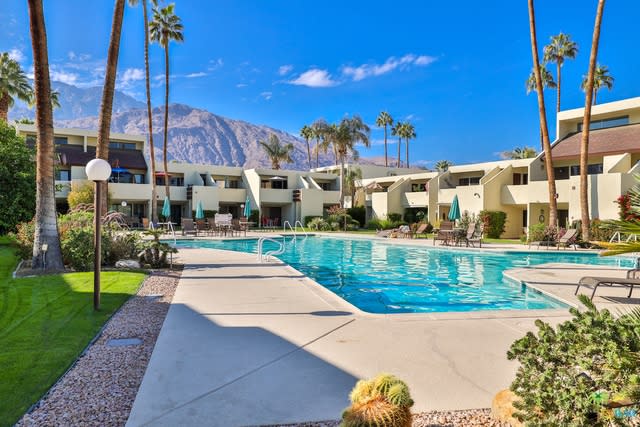
Smoke Tree Racquet Club (1973 – 1975), 1650 E. Palm Canyon
A 128-unit condo community near Smoke Tree Ranch.
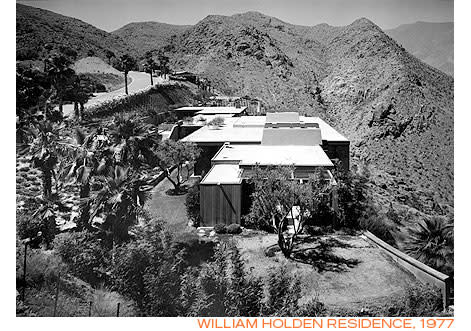
The William Holden House (1977), 2433 Southridge Drive
This Southridge home combined a concrete foundation, creating a building platform on a steep site, with a wood post-and-beam structure. Holden lived there until his death in 1981. Fantastic architectural details include soaring ceilings, floor-to-ceiling windows, oversized formal spaces, and a lavish Primary suite with a dual-sided fireplace and an extraordinary walk-in closet/dressing room. The vast decking and verandas provide the most exhilarating views of Palm Springs and beyond. This large 6,657-square-foot home features 5 bedrooms and 6 bathrooms. It sits on 3.71 acres.
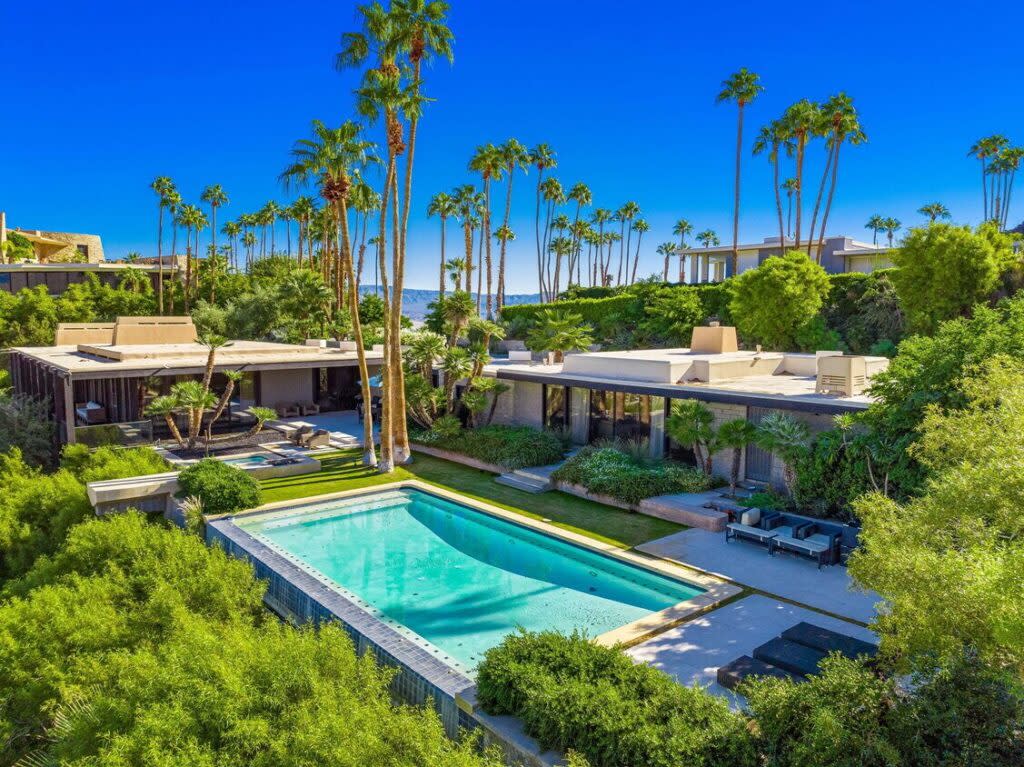
Canyon East and West Estates Condominiums (1978)
Palm Villas (1979)
An 88-condo-unit community near Cielo Road.
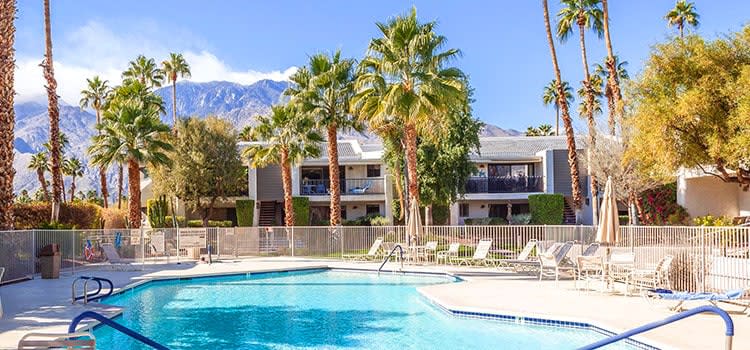
Tahquitz Plaza (1974 – 1977), 600 – 700 East Tahquitz Canyon Way
The firm Kaptur-Lapham designed this in two stages: in 1974 by Hugh Kaptur, and in 1977 by Kaptur-Lapham. It is now a Class 1 Historic Site, and a thorough refresh was performed involving Kaptur himself. It is an important and largely intact example of a desert modernist commercial structure.
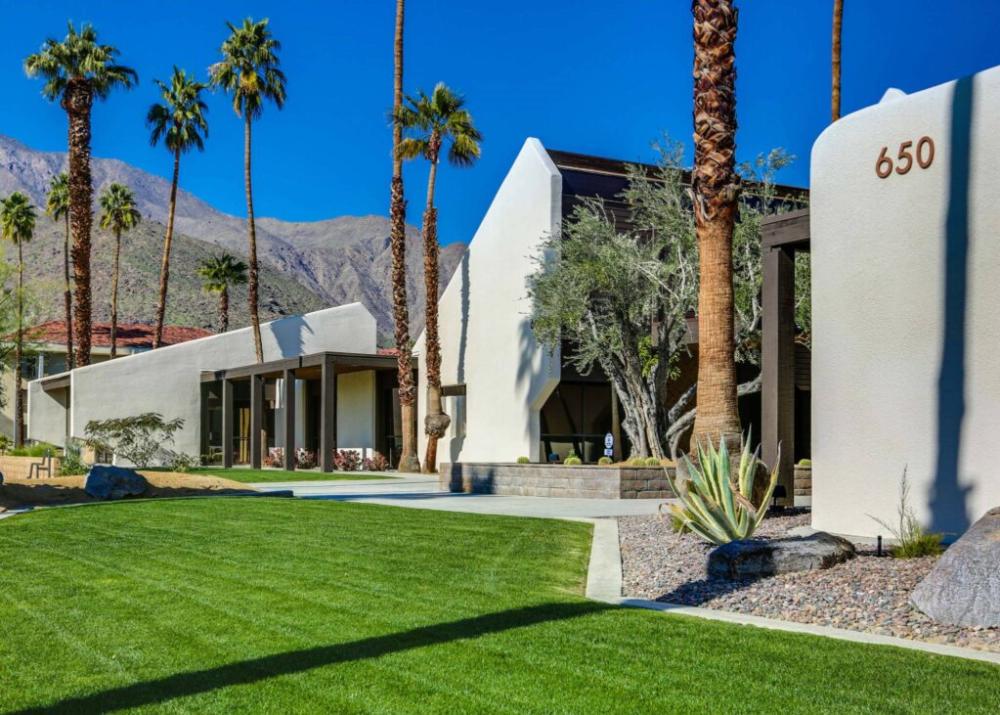
Al Anderson Residence (1978), 899 E. Granvia Valmonte
Sited on two lots purchased from Bob and Dolores Hope in the heart of the Movie Colony, and roughly .62 of an acre. This home seamlessly blends the classic California Ranch style with the dynamic details of post-and-beam architecture. The shaker shingle roof is juxtaposed against spider legs, and the interior features vaulted ceilings with wood tongue-and-groove detailing. Most of the original details are intact, and the home features 3 bedrooms in the main house and a separate casita, providing excellent separation of space.
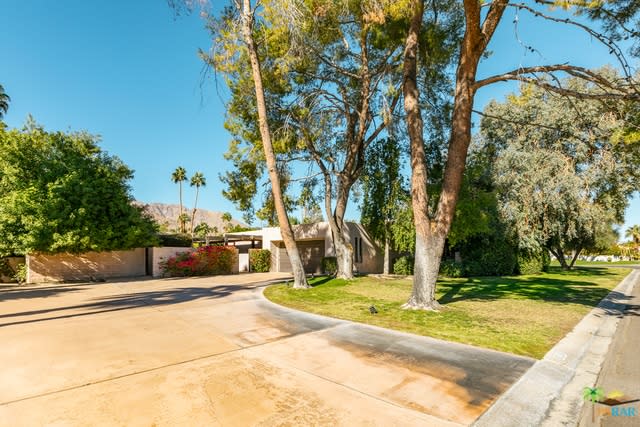
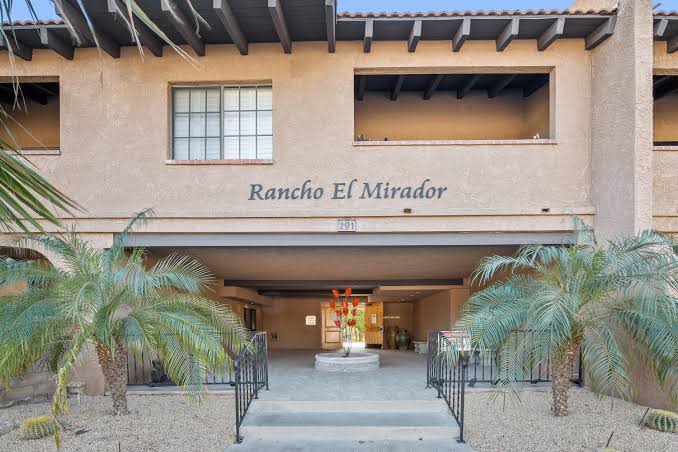
Rancho El Mirador Condominiums (1983), 291 E Mel Avenue
It was built on the grounds of the original El Mirador Hotel, now Desert Regional Hospital. 61 condo units.
The Deauville Condominiums (1985), East Amado Road, and El Segundo
It is located adjacent to the Agua Caliente Casino. It includes 168 units.
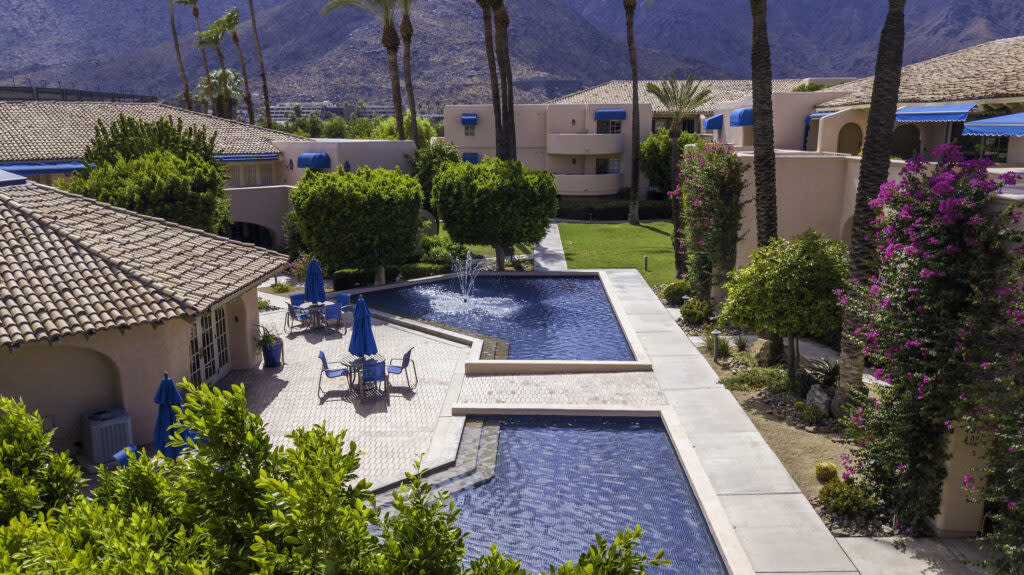
Villa Caballeros Condos (1985), 255 S Avenida Caballeros
This is a 59-unit gated complex with a swimming pool, spa, tennis court, indoor racquetball court, and community room.
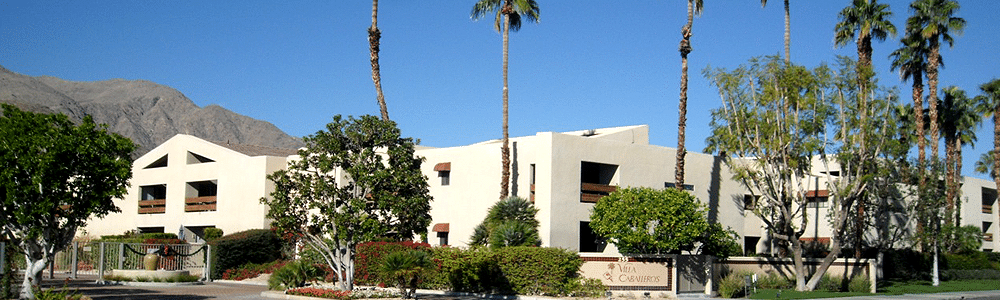
Villa Serena Apartments (1980), 900 East Saturnino Road
This was originally an adults-only complex with one to three bedrooms. While many articles note it was built in 1986, the Desert Sun advertised these units in 1980, and permits were issued in 1979.
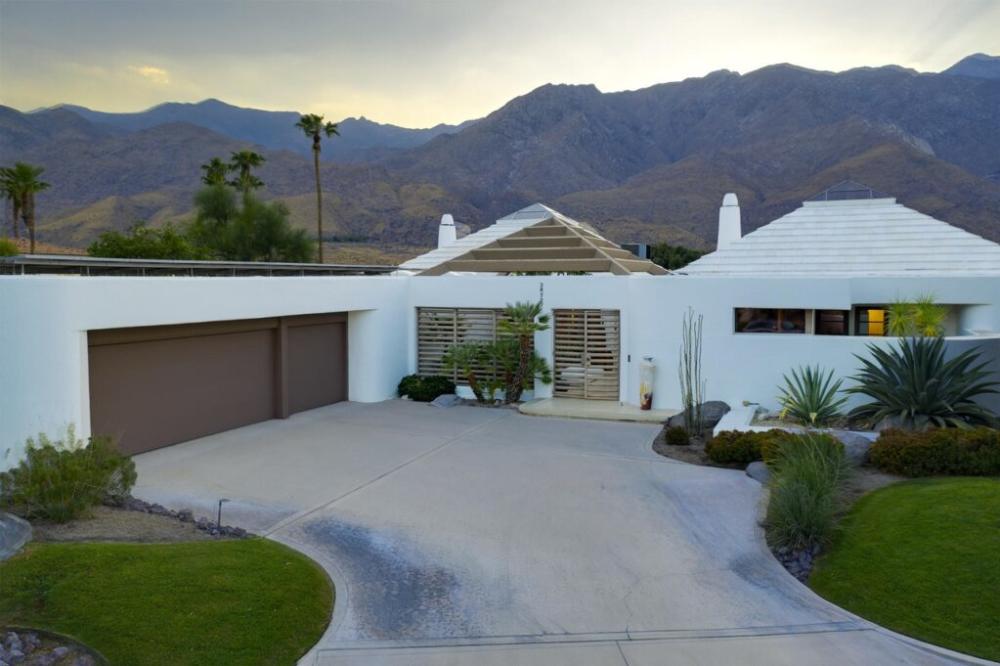
Paul Selzer House (1988), 38727 Maracaibo Circle West
Paul was an environmental lawyer. He and his wife met with Kaptur to request a Mediterranean-French Provincial-style home featuring stucco and tile. The staggered pyramidal roofline, featuring twin pyramids clad with lightweight concrete roof tiles, defines the structure while offering stunning interior spaces. Each pyramid has functional skylights that open, allowing the air to vortex up through the house, mimicking the airflow of a fireplace. Sculptured, tapering chimneys add a vertical statement to the roofline that calls to discerning enthusiasts. A third, smaller open-beamed pyramid is placed over the entry, setting the tone as you enter the home.
This spacious 4,824-square-foot home has 4 bedrooms and 5 baths. It's located off Bogert Trail in South Palm Springs.
Villa Boutique Apartment Homes (2002), 1700 South Araby Drive
Located by Araby Cove.
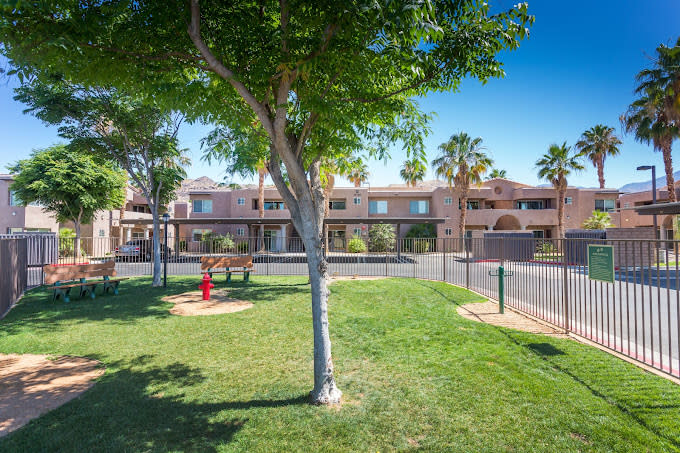
Kaptur Court (2016), 262 West Vista Chino
These are three single-family homes designed by Kaptur at age 85. He updated his 1950 designs. It features post-and-beam construction and a butterfly roofline. Sitting on a large 1/3-acre lot in the exclusive neighborhood of Little Tuscany, on fee-simple land, Kaptur Court features just under 2,200 SF, 3 bedrooms, 3 baths, an open living room and dining room, and a social, gourmet kitchen showcasing custom cabinetry and quartz countertops. Other classic elements include high-angled wood-beamed ceilings, clerestory windows, Italian terrazzo flooring, and a spacious breakfast nook with views of the mountain and pool. The wall and gated private entertainer yard features a 40' lap pool.

Late Career, Recognition, and Legacy
Kaptur received little formal recognition in his early career, a reality shared by many Palm Springs architects working during the city’s rapid midcentury expansion. As he later reflected, architecture was seen as a service profession rather than a cultural one. That perception shifted dramatically beginning in the late 1990s and early 2000s, when preservationists, historians, and the LGBTQ+ community played a key role in reassessing Palm Springs’ architectural legacy.
This renewed interest brought overdue attention to Kaptur’s work — not as background architecture, but as thoughtful, climate-responsive design that balanced restraint with innovation. His ability to adapt post-and-beam modernism into organic desert forms places him squarely within the core narrative of Palm Springs architecture rather than its margins.
Even late in life, Kaptur continued designing. Kaptur Court (2016), completed when he was 85, revisited and refined ideas he first explored in the 1950s, demonstrating both continuity and evolution across a remarkable career.
This article is part of the ongoing series, "Architects Who Built Palm Springs," which explores the designers whose visions transformed a desert town into a modernist landmark.
Architects Who Built Palm Springs: Donald Wexler