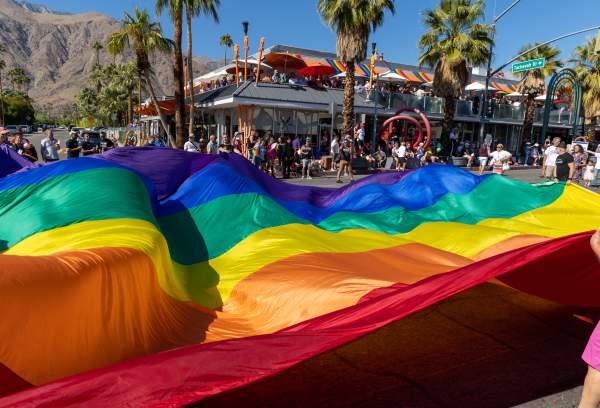
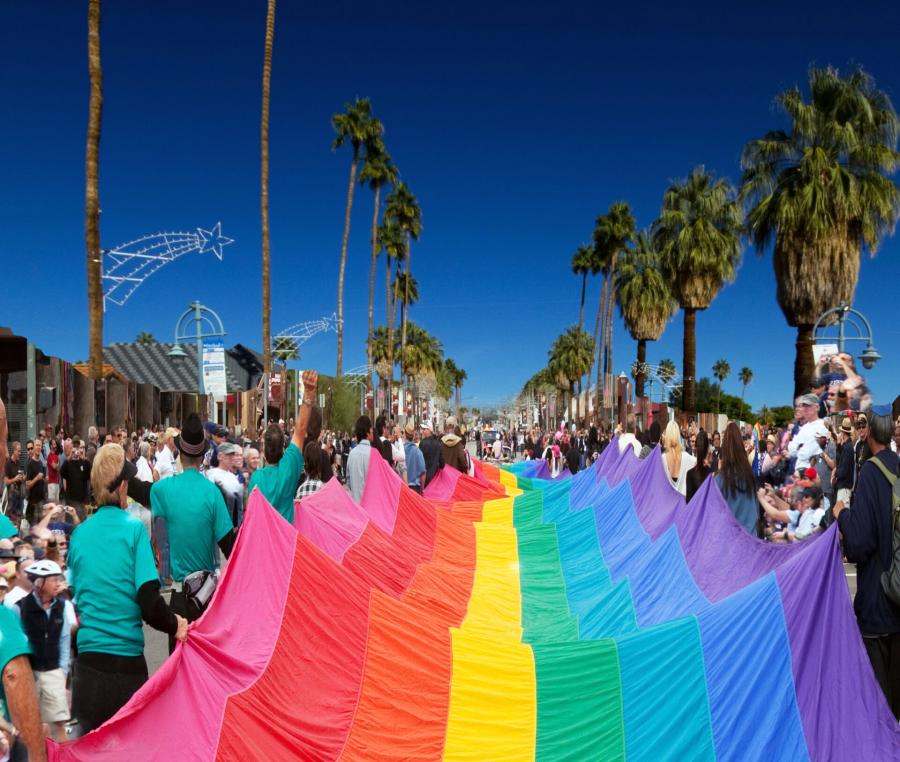
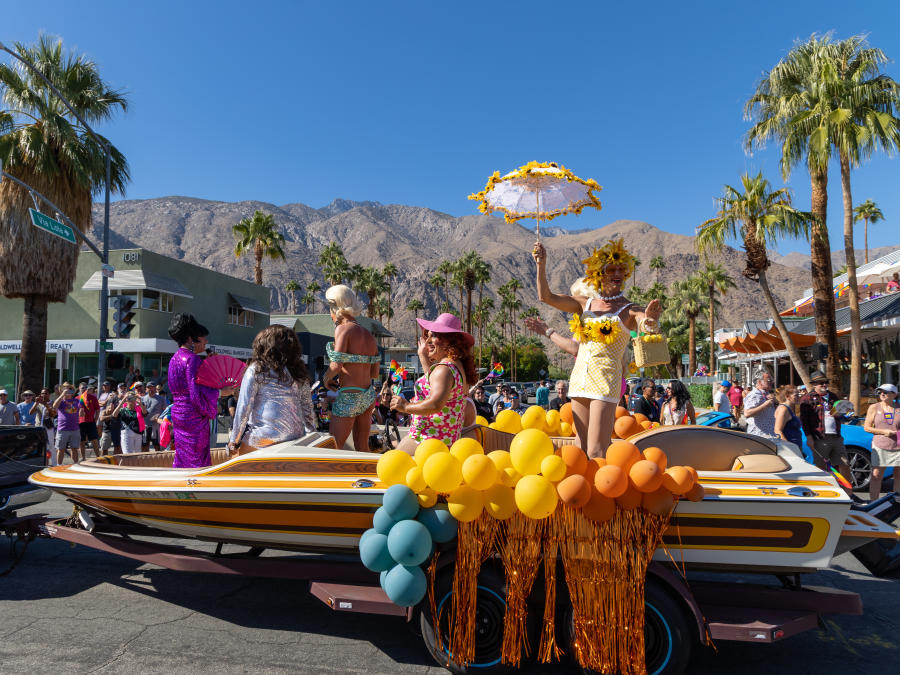
Every November, rainbow flags line Palm Canyon Drive, music fills downtown Palm Springs, and thousands of people gather to celebrate LGBTQ+ Pride.
Today, Palm Springs Pride is one of the largest and most recognizable Pride celebrations in the country. But it began much more modestly.
The first Palm Springs Pride celebration took place in 1986 as a dinner and variety show called “Sizzle.” There was no enormous festival, no downtown parade and no sea of rainbow flags. Instead, a community came together to celebrate who they were at a time when visibility still carried real risks.
Four decades later, that small gathering has grown into a multi-day celebration that draws visitors from across the country and around the world.
But the history of Palm Springs Pride is about more than the event's growth. It mirrors the evolution of Palm Springs itself—from a place where LGBTQ+ people could find privacy and community to a city where LGBTQ+ identity is an important and visible part of civic and cultural life.
Pride Finds Its Voice
During the late 1980s and early 1990s, Pride celebrations in Palm Springs became increasingly visible.
In 1988, the Gay & Lesbian Alliance of the Desert organized a Pride Festival at Perez Auto Park. The festival later moved to Demuth Park, providing a larger public space for community gathering.
The 1989 celebration brought a particularly memorable performer to Palm Springs: Eartha Kitt. Her appearance became one of the early highlights in the history of Palm Springs Pride.
These events reflected a broader shift across the LGBTQ+ community. Pride was becoming more than a party. It was a way to create visibility, build community, and advocate for equality.
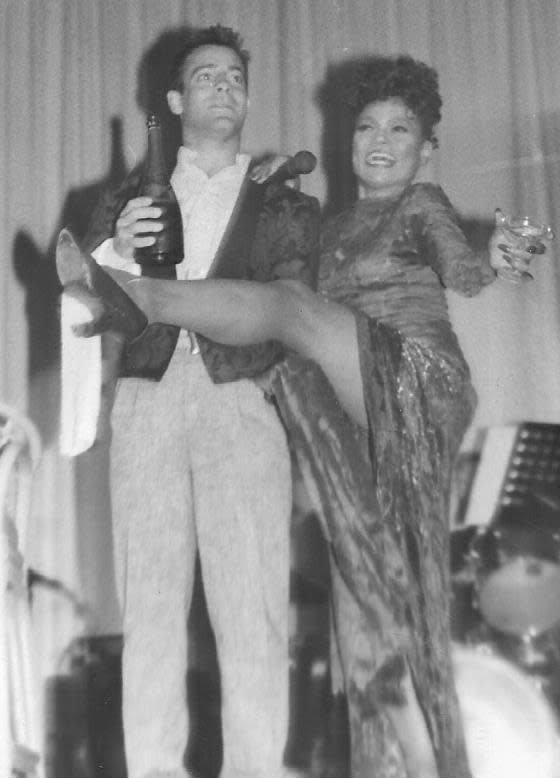
Eartha Kitt
1992: Pride Takes to the Streets
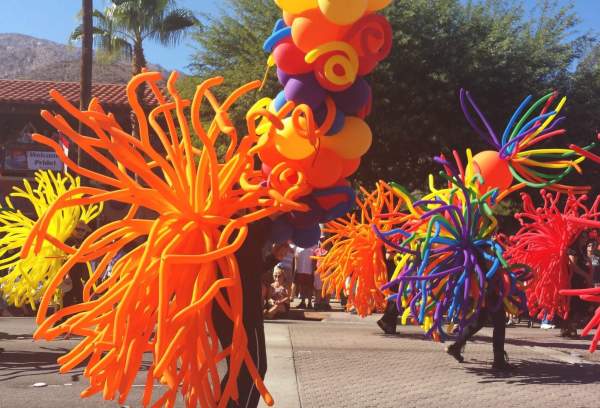
A major milestone came in 1992, when Palm Springs held its first official Pride parade. Called the Desert Gay and Lesbian Pride Parade, the procession featured 35 entries and traveled from Williams Road to Mesquite Avenue and into Demuth Park, where the festival was held. Hundreds of people came out to watch.
By taking Pride into the streets, the community was making a powerful statement. This wasn't simply an event happening behind closed doors. It was a public celebration of LGBTQ+ identity and a demand for visibility and acceptance.
The parade would eventually become one of the defining traditions of Palm Springs Pride.
A New Date Changes Everything
For much of its early history, Palm Springs Pride took place during the warmer months. That made sense from a national Pride calendar perspective, but Palm Springs' summer temperatures presented an obvious challenge.
In 1995, organizers made a pivotal decision: Pride moved from Memorial Day weekend to Veterans Day weekend in November. The cooler weather made a much larger outdoor celebration possible, and the change proved transformative. The November timing eventually became one of the defining characteristics of Palm Springs Pride.
While LGBTQ+ Pride Month is celebrated each June nationally in recognition of the Stonewall uprising and the modern Pride movement, Palm Springs found its own ideal time to gather. The desert's cooler fall temperatures make November especially well suited to outdoor festivals, parades and community celebrations. And the timing helped turn Palm Springs Pride into a destination event.
From Local Celebration to Greater Palm Springs Pride
As the celebration continued to grow, so did the organization behind it. In 1997, the organization formally adopted the name Greater Palm Springs Pride, and in 1998 it incorporated as a nonprofit organization.
The parade also moved to Palm Canyon Drive in 1997, placing Pride at the heart of downtown Palm Springs and giving the celebration a highly visible public stage.
That move was significant. Palm Canyon Drive had long been one of the defining streets of Palm Springs. Bringing Pride there helped establish the celebration not as a niche gathering, but as an important part of the city's public life. Over the years, the festival expanded, programming grew, and more businesses, community organizations, and residents became involved.
What started as a dinner and variety show had become a major civic celebration.
Pride and the Growth of Palm Springs' LGBTQ+ Community
The growth of Palm Springs Pride didn't happen in isolation. During the same decades, Palm Springs was becoming increasingly known as an LGBTQ+ destination. Neighborhoods such as Warm Sands developed a concentration of LGBTQ+-focused resorts. Arenas Road became a center of LGBTQ+ nightlife and business. Restaurants, bars, hotels, cultural organizations and other businesses created spaces where LGBTQ+ residents and visitors could gather and feel at home.
Pride reflected that evolution. The event gave the community's many parts—residents, businesses, nonprofits, performers, activists, and visitors—a chance to come together. And as Palm Springs' LGBTQ+ community became more visible, Pride became an increasingly important part of the city's identity.
Pride During a Time of Crisis
The history of Pride cannot be separated from the history of the AIDS epidemic. During the 1980s and 1990s, LGBTQ+ communities across the country faced enormous loss, discrimination and fear. Pride celebrations became places not only for celebration, but also for remembrance, advocacy and organizing.
Palm Springs experienced that crisis firsthand. Community organizations and healthcare advocates worked to provide support, education and services to people affected by HIV/AIDS. Those efforts helped establish a tradition of community care and activism that remains an important part of Palm Springs' LGBTQ+ story. Pride became a way to honor those who had been lost while continuing to advocate for a more inclusive future.
Pride Becomes Part of Palm Springs
As Palm Springs entered the 21st century, Pride continued to evolve. The celebration expanded beyond a parade and festival to include entertainment, community organizations, youth programming, advocacy, educational events, and activities throughout the city. Pride's growth also reflected a larger change in Palm Springs. What had once been a place where LGBTQ+ people could find privacy had become a city where LGBTQ+ people could live openly, build businesses, participate in civic life and shape the community around them.
That evolution is particularly visible in Palm Springs' civic history. The city has become nationally recognized for LGBTQ+ political representation, including the election of openly LGBTQ+ leaders to local office. Pride is part of that broader story of increasing visibility and participation.
Pride Today
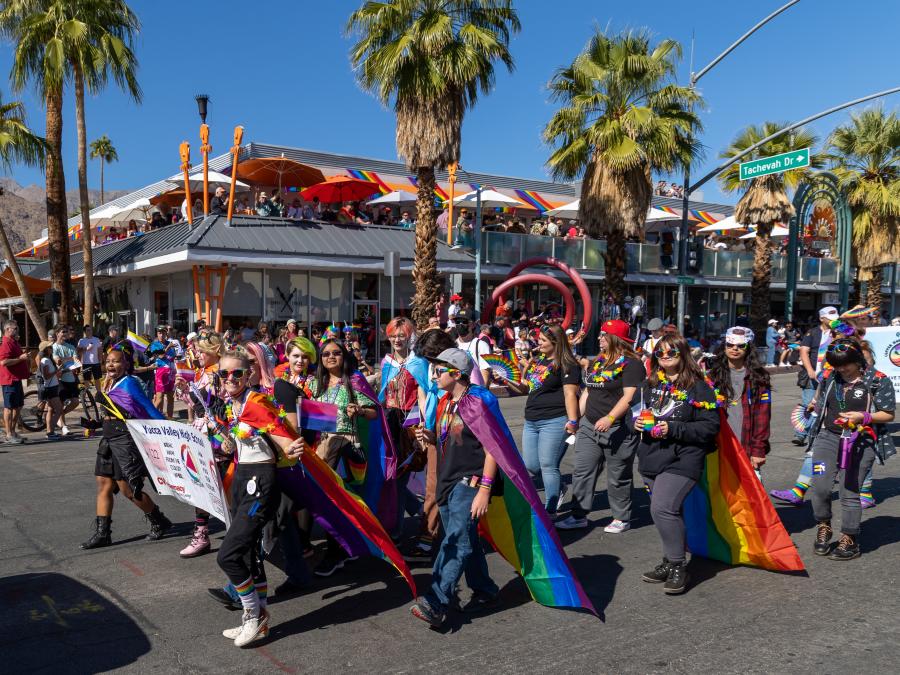
Today, Greater Palm Springs Pride has grown far beyond the intimate gathering that began in 1986. The celebration now includes a multi-day festival, a major downtown parade, live entertainment, community organizations, youth programming, vendors and events throughout Palm Springs. The official Pride organization says the celebration has grown into a four-day event attracting approximately 200,000 people from Southern California, across the country and around the world.
Yet the heart of Pride remains remarkably similar to that first Sizzle celebration. It is still about bringing people together. It is still about visibility. And it is still about creating a place where people can celebrate who they are and the community they have built.
More Than a Weekend
For visitors, Palm Springs Pride is an exciting time to experience the city. But its significance goes beyond the parade and festival.
Pride is one chapter in the larger history of Palm Springs' LGBTQ+ community—a history shaped by Hollywood, privacy, entrepreneurship, activism, friendship and a determination to create spaces where people could live more openly. That history still shows up throughout the city, from the LGBTQ+-owned businesses and resorts that helped establish Palm Springs as a destination to the Arenas District, cultural organizations, and public spaces that continue to serve the community today.
November may be when Palm Springs' Pride celebration reaches its peak, but the story behind it is year-round.
Experience Palm Springs Pride
Palm Springs Pride takes place each November, with the parade and festival bringing the community together in downtown Palm Springs.
For current dates, schedules, parade information, and event details, visit the Greater Palm Springs Pride website. And if you're interested in the broader story of how Palm Springs became one of America's most prominent LGBTQ+ destinations, explore our Palm Springs LGBTQ+ History article, which traces the connection between Hollywood, privacy, community and the city's LGBTQ+ evolution.
Frequently Asked Questions
When did Palm Springs Pride begin?
Palm Springs Pride began in 1986 with an event called “Sizzle,” a dinner and variety show organized by the Desert Business Association's Pride Committee at the Riviera Resort.
When was the first Palm Springs Pride parade?
The first Desert Gay and Lesbian Pride Parade took place in 1992. It featured 35 entries and traveled into Demuth Park, where the Pride Festival was held.
Why is Palm Springs Pride celebrated in November?
Palm Springs Pride moved from Memorial Day weekend to Veterans Day weekend in 1995. The cooler November weather made it easier to hold a large outdoor celebration in the desert and helped the event grow into the major destination celebration it is today.
When did Greater Palm Springs Pride become the organization's name?
The organization formally changed its name to Greater Palm Springs Pride in 1997 and incorporated as a nonprofit in 1998.
How has Palm Springs Pride changed over the years?
Palm Springs Pride has grown from a small dinner and variety show in 1986 into a multi-day celebration featuring a major parade, festival, live entertainment, community organizations, youth programming and advocacy. Today, the celebration attracts visitors from throughout Southern California, across the United States and around the world.
Explore More: